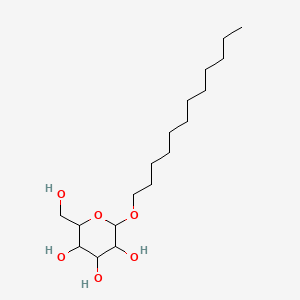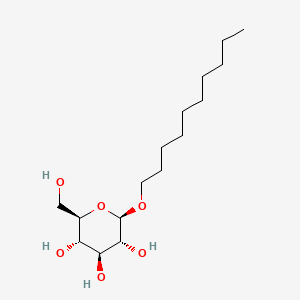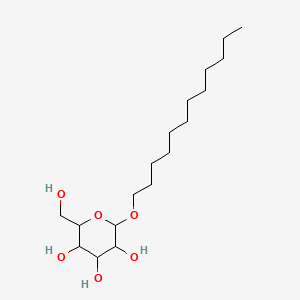
Description: LAURYL GLUCOSIDE — gentle cleansing, foaming (sugar-derived).
All Functions: gentle cleansing, foaming (sugar-derived)
Quick Facts:
- Category: surfactant
Proven Benefits At A Glance:
- Lauryl glucoside is a non-ionic surfactant used in cosmetic products
- It is valued for its biodegradability
- It can be an ingredient in gentler cleansing formulas when combined with other surfactants
- Some people may develop allergic contact dermatitis to lauryl glucoside
- About 5% of people patch tested for cosmetic-related dermatitis showed positive reactions to lauryl glucoside
Safety tier is a starting heuristic from regulatory status and comedogenic rating, not a dermatological verdict — see our Terms for the full disclaimer. Research confidence reflects how many real cited studies back this ingredient, not the strength of their findings.
🧪 LAURYL GLUCOSIDE
LAURYL GLUCOSIDE
CAS Number: 110615-47-9
Also Known As: —
Category: surfactant
Korean Name: 라우릴글루코사이드
D-Glucose homopolymer, dodecyl ether
LAURYL GLUCOSIDE is a surfactant ingredient used in skincare formulations.
🌍 Regulatory Status
📊 Comedogenicity
📚 Research & Evidence
🔬 The Science
Lauryl glucoside is a non-ionic surfactant—a type of cleaning agent—found in various cosmetic products (Biodes Res, 2025). #1: The ingredient is noted for its biodegradability and gentleness on skin compared to harsher alternatives (Biodes Res, 2025). In formulation research, when lauryl glucoside was combined with other surfactants like sodium laureth sulphate and sodium laureth carboxylate in a body cleanser, the mixture showed improved mildness: in skin soak tests on volunteers, this combination caused no significant decrease in skin hydration, whereas the harsh surfactant alone did cause measurable drying (Int J Cosmet Sci, 2014). After 4 weeks of regular use, the formulated cleanser containing lauryl glucoside showed a significant decrease in scaling and redness on skin, with users reporting good satisfaction (Int J Cosmet Sci, 2014).
#2: However, lauryl glucoside can trigger allergic contact dermatitis in some people. A review of nearly 900 patients with suspected cosmetic-related skin reactions found that 5% had positive patch test reactions to lauryl glucoside and/or a related ingredient called decyl glucoside (Dermatitis, 2017). Among those with reactions, 41% had definite or probable relevance to their skin condition, and about 55% had possible relevance (Dermatitis, 2017). Importantly, 65% of people allergic to one glucoside type also reacted to the other, suggesting these are related allergens (Dermatitis, 2017). If you suspect a cosmetic allergy, dermatologists should test for both decyl and lauryl glucosides specifically, as neither one reliably predicts a reaction to the other (Dermatitis, 2017).
💧 Skin Type Compatibility
Derived from this ingredient’s irritancy potential and comedogenicity rating against the needs of each skin type — e.g. oily and acne-prone skin are marked down for pore-clogging ingredients, sensitive skin for irritants. A starting heuristic, not a dermatological verdict.
⚠️ Don’t Combine With
🧴 Products Containing LAURYL GLUCOSIDE
- Nivea Baby SHAMPOOING & BAIN HAPPY BATH
- Nivea NIVEA Verfrissende Reinigingsgel
- nivea baby
- Nivea Pure Skin Cleansing Gel
- Cosmo Naturel, Gravier Shampooing Cheveux secs Karité – Jojoba – Aloe
- Pflegedusche Bio-Minze Bio-Bergamotte
- DM alverde Active Nature Shampoo
- ANNEMARIE BÖRLIND mild shampoo
- CONAXESS TRADE NORGE AS Brillance Hårfarge 872 Intense Red
- Logona Nettoyant 3 en 1
- Lavera Shampooing anti-pelliculaire
- shampoo
- Sante Naturokosmetik Gel douche Ananas bio & Citron vert
- Brisk 2in1-Bart-Shampoo
- alverde Volumen-Kick Shampoo Bio-Kiwi Bio-Apfelminze
- babylove Reinigendes Waschgel
- Alverde Repair Shampoo
- Alverde Pro Climate Zahncreme
- DM Alverde Naturkosmetik Shampoo Feuchtigkeit Aloe Vera & Hyaluron
- alverde Flüssigseife Bio-Minze und Bio-Bergamotte Nachfüllbeutel
📄 Related Research
Matched by search — not necessarily verified support for every statement above.
- Soriano LF et al. (2021). Prevalence of allergic contact dermatitis to decyl and lauryl glucoside in the UK and Ireland. Br J Dermatol.
- Severin RK et al. (2017). Patch Testing with Decyl and Lauryl Glucoside: How Well Does One Screen for Contact Allergic Reactions to the Other?. Dermatitis.
- Promubon K et al. (2025). Metabolic engineering of Escherichia coli for de novo production of lauryl glucoside. Biodes Res.
- Takagi Y et al. (2014). A new formula for a mild body cleanser: sodium laureth sulphate supplemented with sodium laureth carboxylate and lauryl glucoside. Int J Cosmet Sci.
- Martínez-González MI et al. (2017). Allergic contact dermatitis caused by benzoic acid and lauryl glucoside in a sunscreen. Contact Dermatitis.
Similar Ingredients
📰 More News
-
The CCL20-CCR6 axis predominantly drives IL-17-mediated psoriasis while modestly contributing to papain-induced type 2 inflammation
PubMed · 23 days ago
-
SkinCeuticals Just Reformulated Its C E Ferulic Serum
Allure · 14 days ago
-
Are Sunscreen Oils Just Tanning Oils in Disguise? Experts Weigh In
Allure · 14 days ago
-
Update to RIFM fragrance ingredient safety assessment, propenylguaethol, CAS Registry Number 94-86-0
PubMed · 14 days ago
-
Earth Harbor Obscura Night Repair Concentrate Review
Allure · 13 days ago
-
Okay, We’ll Bite: Fruity Perfumes Are Cool
Allure · 13 days ago