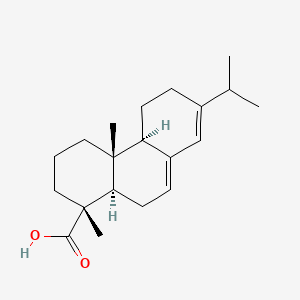
ABIETIC ACID
⚠️ Data is provided for informational purposes only. It may contain inaccuracies and should be independently verified. This is not medical advice. Consult a healthcare professional before making health decisions.

Description: ABIETIC ACID — SURFACTANT – EMULSIFYING.

All Functions: SURFACTANT – EMULSIFYING

Quick Facts:

  • Category: surfactant

Proven Benefits At A Glance:

  • A natural compound extracted from pine rosin that has been used in traditional Chinese medicine
  • Shows antimicrobial activity against common skin bacteria and fungi in lab tests
  • May help reduce biofilm formation (bacterial clusters that resist treatment)
  • Studied for potential benefits in psoriasis and sun-damaged skin
  • Exhibits antioxidant properties in research settings
  • May support wound healing in animal studies
Safety: Generally Low ConcernResearch confidence: Good

Safety tier is a starting heuristic from regulatory status and comedogenic rating, not a dermatological verdict — see our Terms for the full disclaimer. Research confidence reflects how many real cited studies back this ingredient, not the strength of their findings.

🧪 ABIETIC ACID

Chemical structure of ABIETIC ACID

ABIETIC ACID

CAS Number: 514-10-3

Also Known As:

Category: surfactant

EC Number: 208-178-3

Korean Name: 아비에틱애씨드

Abietic acid

ABIETIC ACID is a surfactant ingredient used in skincare formulations.

SURFACTANT – EMULSIFYING

🌍 Regulatory Status

EU: No restriction on fileUS: No restriction on file

📊 Comedogenicity

No data yet
Not rated for this ingredient yet.

📚 Research & Evidence

PUBMED CITATIONS
5
Data sources: EU CosIng PubMed

🔬 The Science

Abietic acid is a terpenoid compound originally isolated from pine rosin. Here’s what the current research suggests:

#1: Antimicrobial and Biofilm Effects — In laboratory testing, abietic acid demonstrated growth-inhibitory activity against Staphylococcus aureus, Pseudomonas aeruginosa, Escherichia coli, and Candida albicans (J Microbiol Biotechnol, 2026). The compound showed minimum inhibitory concentrations as low as 16 μg/ml (a measurement of how much is needed to stop microbial growth), and significantly reduced biofilm biomass across all tested microorganisms. Biofilms are protective clusters that microbes form, making them harder to treat. However, these findings are from in vitro studies (lab dishes), and the research notes that further investigation is needed for actual skin applications.

#2: Psoriasis-Related Effects — When given orally to mice with psoriasis-like inflammation, abietic acid reduced inflammatory markers including cytokines (immune signaling molecules) such as TNF-α, IL-17A, and IL-23 (J Ethnopharmacol, 2021). The research also found that abietic acid altered the composition of gut bacteria in ways that correlated with reduced inflammation. The study suggests the anti-inflammatory effect may work through immune cell regulation (specifically Th17/Treg cell balance). This is mouse research, so direct translation to human skin benefit remains unclear. #3: UV Damage and Aging — Abietic acid acts as a dual activator of PPAR receptors (molecular switches involved in skin aging and inflammation) and was shown in human dermal fibroblast cells to reduce UVB-induced MMP-1 expression—an enzyme linked to collagen breakdown and photoaging (Exp Dermatol, 2015).

The mechanism involves suppressing inflammatory signaling pathways (NF-κB and MAPK/AP-1). The researchers suggest it “can be a useful agent for improving skin photoageing,” though this remains a cell-level finding. #4: Wound Healing — In rat studies, formulations containing 0.5% abietic acid promoted faster wound healing and showed twofold tissue reinforcement compared to untreated wounds, measured by mechanical strength testing (Molecules, 2022). The healing effect was attributed to both antibacterial activity and anti-inflammatory action. All tested formulations containing abietic acid demonstrated high antioxidant activity using chemiluminescence testing. Limitations: Most evidence comes from laboratory (in vitro), animal, or cell studies. Human clinical data on topical abietic acid for skincare is not included in these abstracts.

The psoriasis research used oral administration in mice, not topical application. Formulation matters significantly—the wound-healing study notes that how abietic acid is delivered affects its effectiveness.

💧 Skin Type Compatibility

No data yet
Per-skin-type data isn’t curated for this ingredient yet.

⚠️ Don’t Combine With

No data yet
No known incompatibilities on file for this ingredient.

🧴 Products Containing ABIETIC ACID

No data yet
No products with this ingredient found in the current database yet.

📄 Related Research

Matched by search — not necessarily verified support for every statement above.

Similar Ingredients

ACACIA SEYAL GUM OCTENYLSUCCINATE
surfactant
View
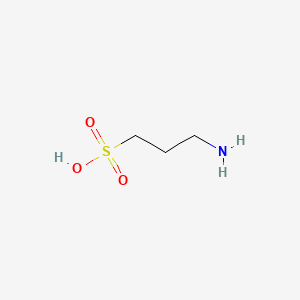
3-AMINOPROPANE SULFONIC ACID
surfactant
View
CETEARETH-20
CETEARETH-20
surfactant
View
CETEARETH-25
CETEARETH-25
surfactant
View
Update cookies preferences