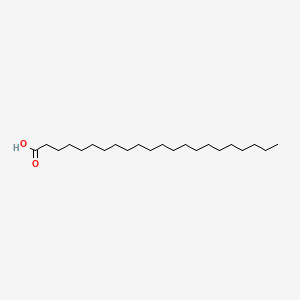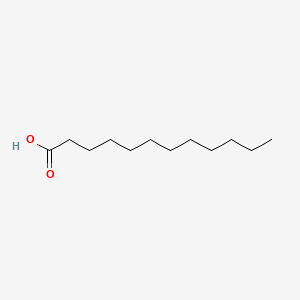
Description: LAURIC ACID — fatty acid, cleansing agent, antimicrobial.
All Functions: fatty acid, cleansing agent, antimicrobial
Quick Facts:
- Category: surfactant
Proven Benefits At A Glance:
- Lauric acid is a saturated fat found abundantly in coconut oil
- Research suggests it may have antibacterial properties against acne-causing bacteria
- It appears to enhance skin penetration of other active ingredients
- It has been studied in combination with other skincare ingredients for acne treatment
- Formulating lauric acid into skincare products is challenging because it doesn’t dissolve easily in water
Safety tier is a starting heuristic from regulatory status and comedogenic rating, not a dermatological verdict — see our Terms for the full disclaimer. Research confidence reflects how many real cited studies back this ingredient, not the strength of their findings.
🧪 LAURIC ACID
LAURIC ACID
CAS Number: 143-07-7
Also Known As: —
Category: surfactant
EC Number: 205-582-1
Korean Name: 라우릭애씨드
Dodecanoic acid
LAURIC ACID is a surfactant ingredient used in skincare formulations.
🌍 Regulatory Status
📊 Comedogenicity
📚 Research & Evidence
🔬 The Science
Lauric acid is a medium-chain saturated fatty acid that has attracted scientific attention for skincare applications, particularly for acne management. Here’s what the research actually shows:
#1: Antibacterial potential — Lauric acid strongly inhibits the growth of acne-causing bacteria (Cutibacterium acnes) according to laboratory research (Heliyon, 2019). In one pharmaceutical study, when lauric acid was combined with the antibiotic lincomycin in a specialized vesicle formulation applied to an acne mouse model, researchers observed a reduction in inflammation, bacterial load, and improved skin healing (Int J Pharm, 2023). However, these are early-stage studies; the mouse model results haven’t yet been confirmed in human trials.
#2: Skin penetration enhancement — Lauric acid appears to improve how active ingredients penetrate the skin. In studies using laboratory skin models, adding lauric acid to a vehicle (the liquid base that carries skincare ingredients) increased the permeation rate of drugs through skin and shortened the time before absorption began (Biol Pharm Bull, 1994). The mechanism seems to involve lauric acid interacting with the lipids in the outer skin layer, potentially opening up pathways for ingredient absorption. #3: Clinical combination study — One human study divided 90 acne patients into three treatment groups over 8 weeks. The group using a combination of 4% niacinamide + 1% gallic acid + 1% lauric acid showed effectiveness comparable to standard acne treatments (5% benzoyl peroxide alone, and benzoyl peroxide plus erythromycin) (Dermatol Ther, 2020).
The authors suggested this combination could serve as an alternative to antibiotic-based treatments. However, this was a single study with relatively small group sizes. #4: Formulation challenges — Lauric acid is water-insoluble and difficult to incorporate into skincare products, which is why researchers have developed specialized delivery systems like phospholipid vesicles and glycerosomes to stabilize it in formulations (Heliyon, 2019; Int J Pharm, 2023). This explains why you won’t find pure lauric acid sitting stably in most consumer products. #5: Source and broader properties — Lauric acid is the most abundant fatty acid in virgin coconut oil and has been studied for various pharmacological activities beyond skincare (J Xenobiot, 2025), though that research focuses on internal health rather than topical application.
In summary: the evidence for lauric acid in acne treatment is promising but still emerging. The strongest data comes from laboratory studies and one small human trial. More research is needed to establish optimal concentrations, formulations, and long-term effectiveness in broader populations.
💧 Skin Type Compatibility
Derived from this ingredient’s irritancy potential and comedogenicity rating against the needs of each skin type — e.g. oily and acne-prone skin are marked down for pore-clogging ingredients, sensitive skin for irritants. A starting heuristic, not a dermatological verdict.
⚠️ Don’t Combine With
🧴 Products Containing LAURIC ACID
- Nivéa Nivea soft
- Glower Glicerina Sabonete Mel
- L’OREAL NORGE AS Excellence 10 Ekstra Lys Blond
- L’OREAL NORGE AS Excellence 5.5 Lys Mahognibrun
- L’OREAL NORGE AS Excellence 9 Meget Lys Blond
- L’OREAL NORGE AS Excellence 6 MørkeBlond
- Nacomï White Black Face Mask
- ALOE gel d’aloe vera
- Gillette, P&G, Procter & Gamble Gillette Fusion Proglide
- top care sensitive skin nourishing body wash
- body wash
- Les Cosmétiques Design Paris Body Ultimate Hammam Impérial Savon Loofah à l’huile d’Argan
- l-oreal Casting crème gloos
- L’OREAL NORGE AS Casting Creme Gloss 415 Marron Glace
- L’OREAL NORGE AS Casting Creme Gloss 535 Chocolat
- L’OREAL NORGE AS Casting Creme Gloss 323 Choc Noir
- Lida Jabón 100% natural de glicerina
- L’OREAL NORGE AS Excellence 8.3 Lys Gyldenblond
- L’OREAL NORGE AS Casting Creme Gloss 412 Beigebrun
- life of the party artisan avocado cucumber soap
📄 Related Research
Matched by search — not necessarily verified support for every statement above.
- AbouSamra MM et al. (2023). Synergistic approach for acne vulgaris treatment using glycerosomes loaded with lincomycin and lauric acid: Formulation, in silico, in vitro, LC-MS/MS skin deposition assay and in vivo evaluation. Int J Pharm.
- Bose D et al. (2025). Virgin Coconut Oil and Its Lauric Acid, Between Anticancer Activity and Modulation of Chemotherapy Toxicity: A Review. J Xenobiot.
- Kozan A et al. (2020). A retrospective assessment and comparison of the effectiveness of benzoyl peroxide; the combination of topical niacinamide, gallic acid, and lauric acid; and the combination of benzoyl peroxide and erythromycin in acne vulgaris. Dermatol Ther.
- Farkuh L et al. (2019). Characterization of phospholipid vesicles containing lauric acid: physicochemical basis for process and product development. Heliyon.
- Lee CK et al. (1994). Relationship between lipophilicity and skin permeability of various drugs from an ethanol/water/lauric acid system. Biol Pharm Bull.
Similar Ingredients
📰 More News
-
The CCL20-CCR6 axis predominantly drives IL-17-mediated psoriasis while modestly contributing to papain-induced type 2 inflammation
PubMed · 23 days ago
-
SkinCeuticals Just Reformulated Its C E Ferulic Serum
Allure · 14 days ago
-
Are Sunscreen Oils Just Tanning Oils in Disguise? Experts Weigh In
Allure · 14 days ago
-
Update to RIFM fragrance ingredient safety assessment, propenylguaethol, CAS Registry Number 94-86-0
PubMed · 14 days ago
-
Earth Harbor Obscura Night Repair Concentrate Review
Allure · 13 days ago
-
Okay, We’ll Bite: Fruity Perfumes Are Cool
Allure · 13 days ago