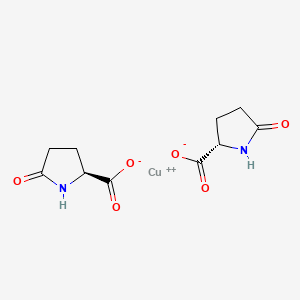
COPPER PCA
CAS – · active · EC – · KR 카퍼피씨에이
Generally Low Concern5 citations
L-Proline, 5-oxo-, copper salt (2:1)
COPPER PCA is an active ingredient used in skincare formulations.
trace mineralsupports skin repair and wound healing
⚠️ Data is provided for informational purposes only. It may contain inaccuracies and should be independently verified. This is not medical advice. Consult a healthcare professional before making health decisions.
Quick facts
Description: COPPER PCA — trace mineral, supports skin repair and wound healing.
All Functions: trace mineral, supports skin repair and wound healing
Quick Facts:
- Category: active
Proven Benefits At A Glance:
- Copper is an essential trace element involved in important physiological processes in the human body
- Research on copper focuses mainly on medical applications like cancer treatment and imaging, not skincare
- The available research does not contain information about copper PCA as a skincare ingredient
- Copper’s role in the body involves complex mechanisms that scientists are still studying
Comedogenicity
No data yet
Not rated for this ingredient yet.
Similar Ingredients
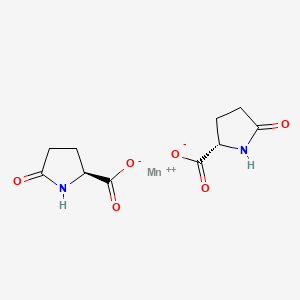
MANGANESE PCA
active
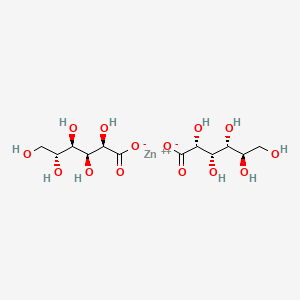
ZINC GLUCONATE
active
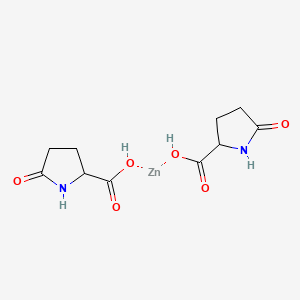
ZINC PCA
active

(CINNAMOMUM CASSIA/MAGNOLIA OFFICINALIS) BARK/(ALPINIA OFFICINARUM/ANGELICA GIGAS) ROOT EXTRACT
active
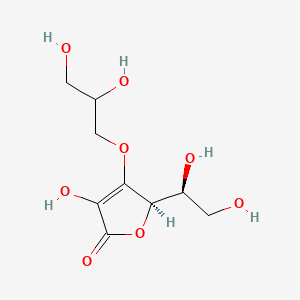
3-GLYCERYL ASCORBATE
active
3-LAURYLGLYCERYL ASCORBATE
active
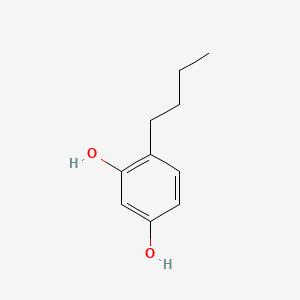
4-BUTYLRESORCINOL
active
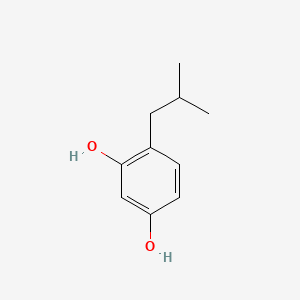
4-ISOBUTYLRESORCINOL
active
📰 More News
-
The CCL20-CCR6 axis predominantly drives IL-17-mediated psoriasis while modestly contributing to papain-induced type 2 inflammation
PubMed · Jul 11, 2026
-
SkinCeuticals Just Reformulated Its C E Ferulic Serum
Allure · Jul 20, 2026
-
Are Sunscreen Oils Just Tanning Oils in Disguise? Experts Weigh In
Allure · Jul 20, 2026
-
Update to RIFM fragrance ingredient safety assessment, propenylguaethol, CAS Registry Number 94-86-0
PubMed · Jul 20, 2026
-
Earth Harbor Obscura Night Repair Concentrate Review
Allure · Jul 21, 2026
-
Okay, We’ll Bite: Fruity Perfumes Are Cool
Allure · Jul 21, 2026