Description: MANGANESE PCA — trace mineral, antioxidant support.
All Functions: trace mineral, antioxidant support
Quick Facts:
- Category: active
Proven Benefits At A Glance:
- Manganese is a trace element that plays roles in normal body functions
- Research suggests manganese may be involved in cancer biology and progression
- Dietary intake of manganese can be inadequate in certain populations
- High environmental exposure to airborne manganese has been linked to neurological concerns
- Manganese functions in the body’s antioxidant defense systems
Safety tier is a starting heuristic from regulatory status and comedogenic rating, not a dermatological verdict — see our Terms for the full disclaimer. Research confidence reflects how many real cited studies back this ingredient, not the strength of their findings.
🧪 MANGANESE PCA
MANGANESE PCA
CAS Number: –
Also Known As: —
Category: active
EC Number: –
Korean Name: 망가니즈피씨에이
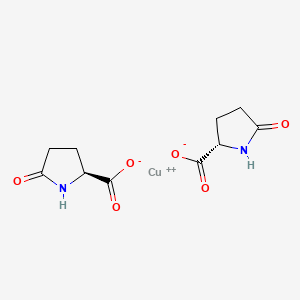
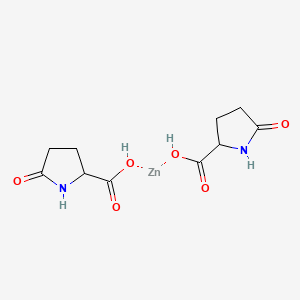
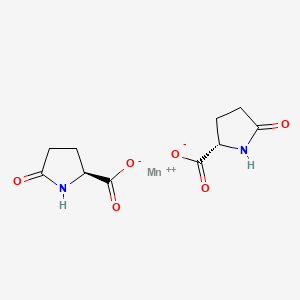
L-proline, 5-oxo-, manganese salt
MANGANESE PCA is an active ingredient used in skincare formulations.
🌍 Regulatory Status
📊 Comedogenicity
📚 Research & Evidence
🔬 The Science
Manganese is a trace element—a mineral your body needs in small amounts to function properly. While most skincare products won’t meaningfully expose you to manganese in ways that matter for systemic health, understanding this ingredient requires looking at what research actually shows. #1: Manganese’s role in disease processes. Research in Cancer Medicine (2024) identifies manganese as a trace element involved in pancreatic cancer risk, pathogenesis, and treatment, with mechanisms including promoting ferroptosis (a type of cell death), inducing apoptosis, inhibiting metastasis, and reducing excessive cell proliferation. Similarly, the International Journal of Molecular Sciences (2024) reviews manganese as one of several trace metals suspected of influencing prostate cancer risk and progression through effects on cancer biology at the molecular level.
However, these are mechanistic reviews examining systemic manganese status in disease states—not skincare applications. #2: Dietary manganese adequacy. Research in Nutrients (2024) studied dietary patterns in inflammatory bowel disease patients and found that a dietary pattern high in cereals, tubers, vegetables, and eggs was more likely to ensure adequate manganese intake (compared to a pattern high in mixed legumes and low in tubers), with an odds ratio of 3.10. This suggests manganese nutrition matters for overall health, but this reflects dietary intake, not topical exposure. #3: Environmental exposure concerns. Research in Environmental Health (2021) documented that environmental airborne manganese exposure at levels substantially lower than current occupational thresholds was associated with clinical parkinsonism symptoms in residents near a manganese smelter, including motor coordination changes.
This highlights that systemic manganese exposure—especially occupational or environmental—carries risks, but again reflects inhalation or ingestion, not skincare use. #4: Manganese in antioxidant defense. Medical Pr (2023) identifies manganese superoxide dismutase as one of the genes involved in managing oxidative stress in the context of cancer research, indicating manganese participates in the body’s antioxidant systems. The sources provided do not contain specific data on manganese PCA (the ingredient form) in topical skincare, its absorption through skin, or its efficacy for skin conditions. Claims about skincare benefits would require dedicated dermatological research not present in these abstracts.
💧 Skin Type Compatibility
⚠️ Don’t Combine With
🧴 Products Containing MANGANESE PCA
📄 Related Research
Matched by search — not necessarily verified support for every statement above.
- Yanjun Y et al. (2024). Trace elements in pancreatic cancer. Cancer Med.
- Yin T et al. (2024). Nutrients, Diet Quality, and Dietary Patterns in Patients with Inflammatory Bowel Disease: A Comparative Analysis. Nutrients.
- Racette BA et al. (2021). Severity of parkinsonism associated with environmental manganese exposure. Environ Health.
- Wieczorek E et al. (2023). Gene-occupation interactions: a review of the literature on bladder and prostate cancer. Med Pr.
- Tshoni UA et al. (2024). The Role of Trace Metals in the Development and Progression of Prostate Cancer. Int J Mol Sci.
Similar Ingredients
📰 More News
-
The CCL20-CCR6 axis predominantly drives IL-17-mediated psoriasis while modestly contributing to papain-induced type 2 inflammation
PubMed · 23 days ago
-
SkinCeuticals Just Reformulated Its C E Ferulic Serum
Allure · 14 days ago
-
Are Sunscreen Oils Just Tanning Oils in Disguise? Experts Weigh In
Allure · 14 days ago
-
Update to RIFM fragrance ingredient safety assessment, propenylguaethol, CAS Registry Number 94-86-0
PubMed · 14 days ago
-
Earth Harbor Obscura Night Repair Concentrate Review
Allure · 13 days ago
-
Okay, We’ll Bite: Fruity Perfumes Are Cool
Allure · 13 days ago