Mia Seilern
RIBOFLAVIN
⚠️ Data is provided for informational purposes only. It may contain inaccuracies and should be independently verified. This is not medical advice. Consult a healthcare professional before making health decisions.

Description: RIBOFLAVIN — vitamin B2, antioxidant support.

All Functions: vitamin B2, antioxidant support

Quick Facts:

  • Category: active

Proven Benefits At A Glance:

  • Riboflavin (vitamin B2) is a water-soluble vitamin your body cannot make, so you need it from food or supplements
  • It powers your cells’ energy production and helps maintain antioxidant defenses
  • Your body excretes excess riboflavin in urine, which is why it turns yellow—a sign you’re getting enough
  • Deficiency can cause fatigue, mouth sores, skin issues, and anemia
  • Riboflavin may play a protective role against psoriasis, especially in people over 40
Safety: Generally Low ConcernResearch confidence: Good

Safety tier is a starting heuristic from regulatory status and comedogenic rating, not a dermatological verdict — see our Terms for the full disclaimer. Research confidence reflects how many real cited studies back this ingredient, not the strength of their findings.

🧪 RIBOFLAVIN

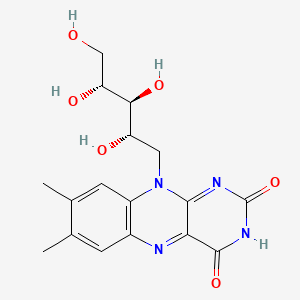
Chemical structure of RIBOFLAVIN

RIBOFLAVIN

CAS Number: 83-88-5

Also Known As:

Category: active

EC Number: 201-507-1

Riboflavin

RIBOFLAVIN is an active ingredient used in skincare formulations.

vitamin B2antioxidant support

🌍 Regulatory Status

EU: No restriction on fileUS: No restriction on file

📊 Comedogenicity

No data yet
Not rated for this ingredient yet.

📚 Research & Evidence

PUBMED CITATIONS
5
Data sources: EU CosIng PubMed

🔬 The Science

Riboflavin works inside your cells by transforming into two active compounds called flavin mononucleotide (FMN) and flavin adenine dinucleotide (FAD). These act as cofactors—essentially helper molecules that allow enzymes to do their jobs (Peer-reviewed journal, 2026; NPJ Biofilms Microbiomes, 2024). Specifically, riboflavin enables your mitochondria (your cells’ energy factories) to produce ATP, the universal energy currency your body runs on, while also maintaining healthy redox balance—the chemical equilibrium that prevents oxidative damage (Peer-reviewed journal, 2026). #1: Energy and cellular function. Riboflavin is essential for the citric acid cycle and the electron transport chain, both critical pathways for ATP production (Peer-reviewed journal, 2026).

It also supports detoxification and electron scavenging pathways (NPJ Biofilms Microbiomes, 2024). #2: Skin, hair, and mucous membrane health. Beyond energy, riboflavin contributes to maintaining the health of these tissues (Peer-reviewed journal, 2026). Interestingly, riboflavin deficiency may impair skin collagen maturity due to conditioned deficiency of other B vitamins like B6 (Indian J Med Res, 1998). #3: Possible psoriasis protection. Emerging evidence links adequate riboflavin status to a lower risk of psoriasis, particularly in individuals older than 40 years. Research has found that psoriatic skin shows upregulated riboflavin metabolism, suggesting the body may need more riboflavin to manage this condition (Peer-reviewed journal, 2026).

#4: Immune function. Riboflavin supports immune function through its role in antioxidant defenses and energy metabolism (Peer-reviewed journal, 2026). What happens when you don’t get enough? Deficiency causes mucocutaneous manifestations—mouth sores (cheilosis, angular stomatitis, glossitis) and dermatitis—plus normocytic anemia, fatigue, and neuromuscular symptoms (Peer-reviewed journal, 2026). Severe or prolonged deficiency may lead to neurologic or ocular metabolic abnormalities and reduced physical performance (Peer-reviewed journal, 2026). Importantly, riboflavin deficiency can also cause a secondary deficiency in vitamin B6 and niacin (B3), disrupting other metabolic pathways (Peer-reviewed journal, 2026). Your riboflavin status isn’t determined by diet alone. Respiratory infections, certain diseases, drugs, and hormones can modify how your body uses riboflavin (Indian J Med Res, 1998).

Additionally, riboflavin demands increase during pregnancy, breastfeeding, and hormonal fluctuations in women’s menstrual cycles (NPJ Biofilms Microbiomes, 2024). Physical activity also appears to increase riboflavin requirements (Indian J Med Res, 1998). On an emerging research front, riboflavin’s photosensitizing properties—meaning it responds to light—make it a candidate for photodynamic therapy applications in dermatology, though research on effectiveness is ongoing (Cells, 2023).

💧 Skin Type Compatibility

No data yet
Per-skin-type data isn’t curated for this ingredient yet.

⚠️ Don’t Combine With

No data yet
No known incompatibilities on file for this ingredient.

🧴 Products Containing RIBOFLAVIN

📄 Related Research

Matched by search — not necessarily verified support for every statement above.

Similar Ingredients

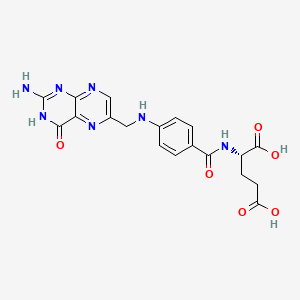
FOLIC ACID
FOLIC ACID
active
View
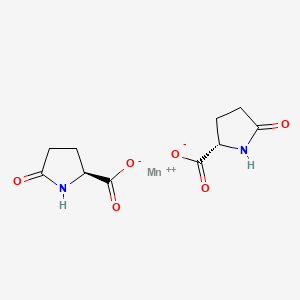
MANGANESE PCA
MANGANESE PCA
active
View
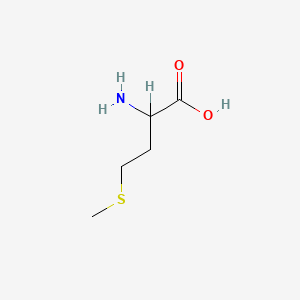
METHIONINE
METHIONINE
humectant
View
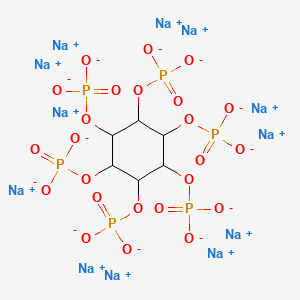
SODIUM PHYTATE
SODIUM PHYTATE
other
View
(CINNAMOMUM CASSIA/MAGNOLIA OFFICINALIS) BARK/(ALPINIA OFFICINARUM/ANGELICA GIGAS) ROOT EXTRACT
active
View
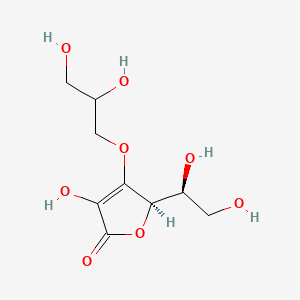
3-GLYCERYL ASCORBATE
active
View
3-LAURYLGLYCERYL ASCORBATE
active
View
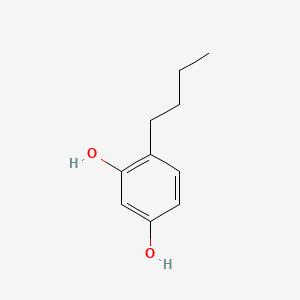
4-BUTYLRESORCINOL
4-BUTYLRESORCINOL
active
View