Mia Seilern
⚠️ Data is provided for informational purposes only. It may contain inaccuracies and should be independently verified. This is not medical advice. Consult a healthcare professional before making health decisions.

Description: Fragrance — scent.

All Functions: scent

Quick Facts:

  • Category: fragrance
  • Also Known As: Parfum, fragancia, perfume, duftstoffe, fragrance
  • Comedogenic Rating: 0/5

Proven Benefits At A Glance:

  • Fragrance is a major factor in how consumers choose skincare and cosmetic products
  • Fragrances mask unpleasant odors from oils and other common cosmetic ingredients
  • Essential oils used as natural fragrances may offer skin benefits beyond just smell
  • Fragrances are a common cause of allergic contact dermatitis in Europe and North America
  • Fragrance allergies can range from mild contact urticaria to more serious systemic reactions
Safety: Generally Low ConcernResearch confidence: Good

Safety tier is a starting heuristic from regulatory status and comedogenic rating, not a dermatological verdict — see our Terms for the full disclaimer. Research confidence reflects how many real cited studies back this ingredient, not the strength of their findings.

🧪 Fragrance

Fragrance

CAS Number:

Also Known As: Parfum, fragancia, perfume, duftstoffe, fragrance

Category: fragrance

Korean Name: 향료

Fragrance is a fragrance ingredient used in skincare formulations.

scent

🌍 Regulatory Status

EU: No restriction on fileUS: No restriction on file

📊 Comedogenicity

⬜⬜⬜⬜⬜

0/5

📚 Research & Evidence

PUBMED CITATIONS
5
Data sources: EU CosIng PubMed

🔬 The Science

Fragrance serves multiple roles in skincare formulations beyond simply smelling good. According to *Molecules* (2021), fragrances are integral to cosmetic product selection and play a considerable role in masking undesirable odors from fatty acids, oils, and surfactants commonly found in formulations. Essential oils—plant-derived fragrances like citrus, lavender, eucalyptus, and tea tree oil—represent a growing category in the industry. *Molecules* notes that #1: essential oils can act as preservatives and active agents while imparting pleasant aromas, and #2: specific fragrance components like linalool, geraniol, limonene, citronellol, and citral are widely used in different cosmetic products. The trend toward natural fragrances has accelerated partly due to concerns about potential health risks from artificial fragrance chemicals.

However, there’s an important safety consideration: #3: fragrances are a common cause of allergic contact dermatitis in Europe and North America, according to *Dermatitis* (2014). These reactions can affect people at any age and range from contact urticaria (hives) to systemic contact dermatitis. *Dermatitis* emphasizes that improved allergen identification, labeling, and consumer education are being pursued to help prevent sensitization. Individual fragrance components have undergone toxicological review—for example, *Food and Chemical Toxicology* (2012) evaluated 2-phenyl-2-propanol, one fragrance ingredient in the Aryl Alkyl Alcohols class, examining its safety profile including skin irritation and sensitization data. If you have sensitive skin or a history of fragrance reactions, the sources suggest this is worth discussing with a dermatologist.

💧 Skin Type Compatibility

100%
Sensitive
100%
Oily
100%
Dry
100%
Combination
100%
Acne-prone
100%
Normal

Derived from this ingredient’s irritancy potential and comedogenicity rating against the needs of each skin type — e.g. oily and acne-prone skin are marked down for pore-clogging ingredients, sensitive skin for irritants. A starting heuristic, not a dermatological verdict.

⚠️ Don’t Combine With

No data yet
No known incompatibilities on file for this ingredient.

🧴 Products Containing Fragrance

📄 Related Research

Matched by search — not necessarily verified support for every statement above.

📰 Recent News

Similar Ingredients

MICA
MICA
colourant
View
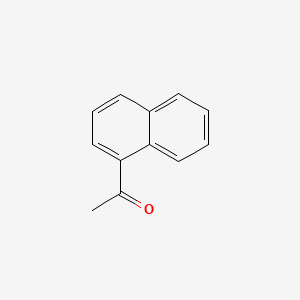
1-ACETONAPHTHONE
1-ACETONAPHTHONE
fragrance
View
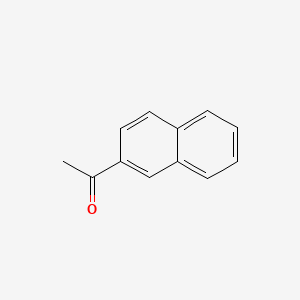
2-ACETONAPHTHONE
2-ACETONAPHTHONE
fragrance
View
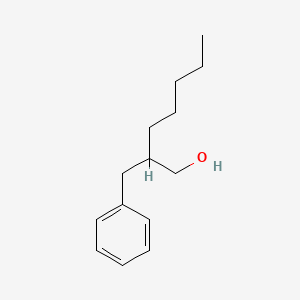
2-BENZYLHEPTANOL
2-BENZYLHEPTANOL
fragrance
View
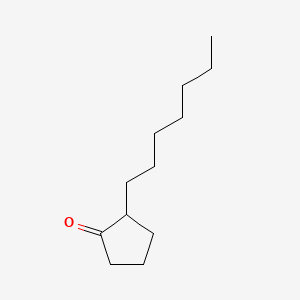
2-HEPTYLCYCLOPENTANONE
fragrance
View
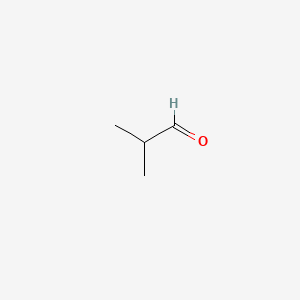
2-METHYLPROPANAL
2-METHYLPROPANAL
fragrance
View
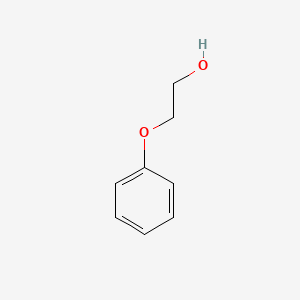
2-PHENOXYETHANOL
2-PHENOXYETHANOL
fragrance
View
2-T-BUTYLCYCLOHEXYL ACETATE
fragrance
View