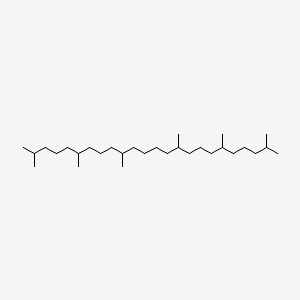
Description: HYDROGENATED MINERAL OIL — occlusive, moisture barrier — cosmetic-grade Mineral Oil, generally non-comedogenic.
All Functions: occlusive, moisture barrier — cosmetic-grade Mineral Oil, generally non-comedogenic
Quick Facts:
- Category: emollient
- Comedogenic Rating: 1/5
Proven Benefits At A Glance:
- Hydrogenated mineral oil is mentioned in medical literature as a cerumenolytic agent—a substance that can help soften earwax
- The research provided does not contain safety data, efficacy claims, or skincare benefits specific to hydrogenated mineral oil
- Sources discuss mineral oil in contexts of earwax treatment, fossil fuel chemistry, and food contamination analysis, not cosmetic skincare
Safety tier is a starting heuristic from regulatory status and comedogenic rating, not a dermatological verdict — see our Terms for the full disclaimer. Research confidence reflects how many real cited studies back this ingredient, not the strength of their findings.
🧪 HYDROGENATED MINERAL OIL
HYDROGENATED MINERAL OIL
CAS Number: 64742-54-7
Also Known As: —
Category: emollient
Hydrogenated Mineral Oil is the end product of the controlled hydrogenation of Mineral Oil.
HYDROGENATED MINERAL OIL is an emollient ingredient used in skincare formulations.
🌍 Regulatory Status
📊 Comedogenicity
1/5
📚 Research & Evidence
🔬 The Science
The available research does not support consumer-facing skincare claims about hydrogenated mineral oil. Here’s what the sources actually say: One medical journal (2026) mentions mineral oil as one of several optional pretreatment agents used before ear irrigation to help with cerumen impaction—a condition where earwax accumulates in the ear canal. However, this is a clinical ear treatment context, not skincare. Another source (Nature, 2024) discusses mineral oil as a fossil fuel product and discusses potential future refinery processes, but contains no skincare or safety information. A third source (Int J Toxicol, 2006) evaluates rice-derived cosmetic ingredients and their safety, but does not address hydrogenated mineral oil.
The remaining sources (Langmuir, 2020 and J Chromatogr A, 2024) discuss mineral oil in the context of petroleum engineering and food safety testing for mineral oil contamination—again, not cosmetic skincare applications. None of the provided abstracts contain data on whether hydrogenated mineral oil functions as a moisturizer, skin protectant, occlusive agent, or any other skincare benefit. None provide safety data for topical facial or body use. To make any claims about hydrogenated mineral oil in skincare, you would need different research sources focused on cosmetic dermatology or cosmetic ingredient safety.
💧 Skin Type Compatibility
Derived from this ingredient’s irritancy potential and comedogenicity rating against the needs of each skin type — e.g. oily and acne-prone skin are marked down for pore-clogging ingredients, sensitive skin for irritants. A starting heuristic, not a dermatological verdict.
⚠️ Don’t Combine With
🧴 Products Containing HYDROGENATED MINERAL OIL
📄 Related Research
Matched by search — not necessarily verified support for every statement above.
- Sutton AE et al. (2026). Ear Irrigation. a peer-reviewed journal.
- Vogt ETC et al. (2024). The refinery of the future. Nature.
- Unknown authors (2006). Amended final report on the safety assessment of Oryza Sativa (rice) Bran Oil, Oryza Sativa (rice) Germ Oil, Rice Bran Acid,Oryza Sativa (rice) Bran Wax, Hydrogenated Rice Bran Wax, Oryza Sativa (rice)Bran Extract, Oryza Sativa (rice) Extract, Oryza Sativa (rice) Germ Powder, Oryza Sativa (rice) Starch, Oryza Sativa (rice) Bran, Hydrolyzed Rice Bran Extract, Hydrolyzed Rice Bran Protein, Hydrolyzed Rice Extract, and Hydrolyzed Rice Protein. Int J Toxicol.
- Alizadehmojarad AA et al. (2020). Surfactant-Controlled Mobility of Oil Droplets in Mineral Nanopores. Langmuir.
- Lommatzsch M et al. (2024). Advanced separation of mineral oil aromatic hydrocarbons by number of aromatic rings using donor-acceptor-complex chromatography to extend on-line coupled liquid chromatography-gas chromatography. J Chromatogr A.
Similar Ingredients
📰 More News
-
The CCL20-CCR6 axis predominantly drives IL-17-mediated psoriasis while modestly contributing to papain-induced type 2 inflammation
PubMed · 23 days ago
-
SkinCeuticals Just Reformulated Its C E Ferulic Serum
Allure · 14 days ago
-
Are Sunscreen Oils Just Tanning Oils in Disguise? Experts Weigh In
Allure · 14 days ago
-
Update to RIFM fragrance ingredient safety assessment, propenylguaethol, CAS Registry Number 94-86-0
PubMed · 14 days ago
-
Earth Harbor Obscura Night Repair Concentrate Review
Allure · 13 days ago
-
Okay, We’ll Bite: Fruity Perfumes Are Cool
Allure · 13 days ago