Mia Seilern
Squalane
⚠️ Data is provided for informational purposes only. It may contain inaccuracies and should be independently verified. This is not medical advice. Consult a healthcare professional before making health decisions.

Description: Squalane — moisturizing, occlusive.

All Functions: moisturizing, occlusive

Quick Facts:

  • Category: emollient
  • Comedogenic Rating: 1/5

Proven Benefits At A Glance:

  • Squalane is a stable, saturated form of squalene, a natural component of human skin oil (sebum)
  • It’s found in fish oils, shark liver oil, and some vegetable oils
  • Regulatory experts have confirmed squalane is safe for use in cosmetics at typical concentrations
  • Research suggests benefits for skin hydration, antioxidant protection, and skin barrier support
  • Studies show it may help other skincare ingredients penetrate and stay in the skin longer
Safety: Generally Low ConcernResearch confidence: GoodCommon fungal-acne trigger

Safety tier is a starting heuristic from regulatory status and comedogenic rating, not a dermatological verdict — see our Terms for the full disclaimer. Research confidence reflects how many real cited studies back this ingredient, not the strength of their findings.

🧪 Squalane

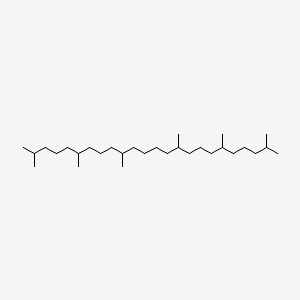
Chemical structure of Squalane

Squalane

CAS Number: 111-01-3

Also Known As:

Category: emollient

EC Number: 203-825-6

Korean Name: 스쿠알란

2,6,10,15,19,23-Hexamethyltetracosane

Squalane is an emollient ingredient used in skincare formulations.

moisturizingocclusive

🌍 Regulatory Status

EU: No restriction on fileUS: No restriction on file

📊 Comedogenicity

🟥⬜⬜⬜⬜

1/5

📚 Research & Evidence

PUBMED CITATIONS
5
Data sources: EU CosIng PubMed

🔬 The Science

Squalane is a hydrocarbon compound (C₃₀H₅₀) and a saturated derivative of squalene, which naturally makes up about 13% of human sebum—the oily substance your skin produces naturally (Adv Food Nutr Res, 2012). You can find it in shark liver oil and certain plant-based oils, though in smaller amounts. Safety: The International Expert Panel for Cosmetic Ingredient Safety reviewed squalane in cosmetics as recently as 2023 and confirmed it is safe at the concentrations and uses currently practiced in skincare products (Int J Toxicol, 2023). #1: Antioxidant and anti-inflammatory activity. In laboratory studies using human skin cells (dermal fibroblasts), squalane at very low concentrations (0.005-0.015%) helped protect against damage from UVA sun exposure.

Specifically, it reduced markers of oxidative stress and inflammation, including suppressing inflammatory proteins like NF-κB and COX-2 (Molecules, 2025). The same research found squalane supported the skin’s natural antioxidant defense system by increasing expression of Nrf2, a key protective molecule. #2: Supporting skin repair and collagen health. In the same UVA-damage model, squalane appeared to support the skin’s ability to maintain and produce collagen, a structural protein that keeps skin firm. It also helped skin cells migrate and heal more effectively after sun damage, suggesting potential value in post-sun and anti-aging formulations (Molecules, 2025). Prior research had reported skin hydrating and emollient (softening) activities, though the newer studies provide more mechanistic detail (Adv Food Nutr Res, 2012).

#3: Enhancing other ingredients’ skin penetration. When squalane was added to a cosmetic formulation containing polyphenols (plant compounds with antioxidant properties), it actually reduced how quickly those polyphenols moved through the skin—but in a beneficial way. This slower movement meant the polyphenols stayed in the skin longer, increasing what researchers call ‘dermal availability’ and retention time (Colloids Surf B Biointerfaces, 2022). This suggests squalane could act as a vehicle to keep beneficial ingredients working in your skin rather than passing through it rapidly. Limitations: Most of these studies were conducted in laboratory or cell-culture settings, not on living human skin in real-world conditions.

The head-lice study (Parasitol Res, 2021) is an outlier showing practical efficacy but addresses a different use case. Overall, while the research is promising, it remains largely preliminary.

💧 Skin Type Compatibility

98%
Sensitive
95%
Oily
98%
Dry
96%
Combination
95%
Acne-prone
98%
Normal

Derived from this ingredient’s irritancy potential and comedogenicity rating against the needs of each skin type — e.g. oily and acne-prone skin are marked down for pore-clogging ingredients, sensitive skin for irritants. A starting heuristic, not a dermatological verdict.

⚠️ Don’t Combine With

No data yet
No known incompatibilities on file for this ingredient.

🧴 Products Containing Squalane

📄 Related Research

Matched by search — not necessarily verified support for every statement above.

Similar Ingredients

ALANINE
ALANINE
humectant
View
ARGANIA SPINOSA KERNEL OIL
emollient
View
ARGININE
ARGININE
humectant
View
ASPARTIC ACID
ASPARTIC ACID
humectant
View
BUTYROSPERMUM PARKII BUTTER
emollient
View
CAMELLIA OLEIFERA SEED OIL
emollient
View
CANNABIS SATIVA SEED OIL
emollient
View
CERA ALBA
CERA ALBA
emollient
View