Mia Seilern
⚠️ Data is provided for informational purposes only. It may contain inaccuracies and should be independently verified. This is not medical advice. Consult a healthcare professional before making health decisions.

Description: PETROLATUM — occlusive, strongest barrier protection, supports wound healing.

All Functions: occlusive, strongest barrier protection, supports wound healing

Quick Facts:

  • Category: emollient
  • Comedogenic Rating: 0/5
  • Regulatory Note: Prohibited in the EU

Proven Benefits At A Glance:

  • Petrolatum is a synthetic emollient that works by creating an occlusive barrier to prevent water loss from skin
  • It provides immediate occlusive effects on skin, though some plant-based oils show comparable performance over 6 hours
  • Petrolatum can block UV penetration and may interfere with phototherapy treatments
  • In one case study, petrolatum was identified as a vehicle that enhanced allergic reactions during patch testing
  • Research shows specialized petrolatum formulations may improve drug delivery through skin better than standard petrolatum
Safety: AvoidResearch confidence: Good

Safety tier is a starting heuristic from regulatory status and comedogenic rating, not a dermatological verdict — see our Terms for the full disclaimer. Research confidence reflects how many real cited studies back this ingredient, not the strength of their findings.

Pregnancy safe

🧪 PETROLATUM

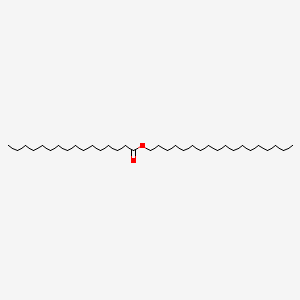
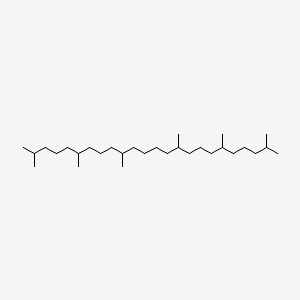
Chemical structure of PETROLATUM

PETROLATUM

CAS Number: 8009-03-8

Also Known As:

Category: emollient

EC Number: 232-373-2

Korean Name: 페트롤라툼

Petrolatum. A complex combination of hydrocarbons obtained as a semi-solid from dewaxing paraffinic residual oil. It consists predominantly of saturated crystalline and liquid hydrocarbons having carbon numbers predominantly greater than C25

PETROLATUM is an emollient ingredient used in skincare formulations.

occlusivestrongest barrier protectionsupports wound healing

🌍 Regulatory Status

EU: ProhibitedUS: No restriction on file

📊 Comedogenicity

⬜⬜⬜⬜⬜

0/5

📚 Research & Evidence

PUBMED CITATIONS
5
Data sources: EU CosIng PubMed

🔬 The Science

Petrolatum functions as an occlusive emollient, meaning it sits on the skin surface and reduces transepidermal water loss (TEWL)—the natural evaporation of moisture from skin (J Cosmet Dermatol, 2022). #1: In direct comparison testing, petrolatum provided stronger immediate occlusion at 15 minutes post-application than vegetable oil alternatives, though most plant oils matched petrolatum’s occlusive performance by the 6-hour mark (J Cosmet Dermatol, 2022). #2: Petrolatum can interfere with light-based therapies. When researchers tested how topical petrolatum affected skin’s reaction to UVA exposure, they found that both thin and thick applications of petrolatum increased the minimal phototoxic dose (MPD)—meaning petrolatum blocked some UV penetration (Eur J Dermatol, 2005).

This blocking effect means petrolatum should not be applied immediately before phototherapy treatments (Eur J Dermatol, 2005). #3: Scientists have developed specialized petrolatum formulations combined with liquid crystals that appear more effective at helping active ingredients penetrate skin compared to standard commercial petrolatum (J Oleo Sci, 2022). These modified formulations showed enhanced skin penetration of test compounds in laboratory studies. #4: One published case report documented a patient who experienced severe allergic reactions during patch testing; notably, 69 of 70 positive allergen reactions occurred when allergens were suspended in petrolatum vehicle, while allergens in liquid vehicles showed minimal reactivity (Skinmed, 2004).

When plain petrolatum alone was patch-tested, it triggered strong 3+ reactions, suggesting petrolatum itself acted as an irritant in this particular case. However, this represents a single case report and does not establish that petrolatum causes allergic reactions in the general population. #5: When petrolatum was used as a control treatment in a study of post-surgical scar appearance following eyelid surgery, it showed no statistically significant difference compared to onion extract or topical steroid treatments over a 2-month period (J Curr Ophthalmol, 2020).

💧 Skin Type Compatibility

100%
Sensitive
40%
Oily
100%
Dry
100%
Combination
40%
Acne-prone
100%
Normal

Derived from this ingredient’s irritancy potential and comedogenicity rating against the needs of each skin type — e.g. oily and acne-prone skin are marked down for pore-clogging ingredients, sensitive skin for irritants. A starting heuristic, not a dermatological verdict.

⚠️ Don’t Combine With

No data yet
No known incompatibilities on file for this ingredient.

🧴 Products Containing PETROLATUM

📄 Related Research

Matched by search — not necessarily verified support for every statement above.

Similar Ingredients

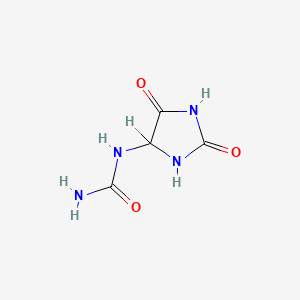
ALLANTOIN
ALLANTOIN
active
View
CERA ALBA
CERA ALBA
emollient
View
Coconut Oil
Coconut Oil
emollient
View
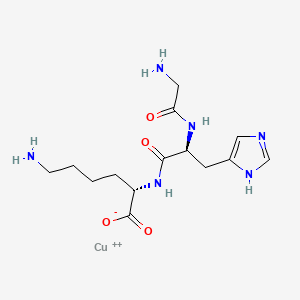
COPPER TRIPEPTIDE-1
COPPER TRIPEPTIDE-1
active
View
Dimethicone
Dimethicone
emollient
View
HYDROGENATED MINERAL OIL
emollient
View
LANOLIN
LANOLIN
emollient
View
Squalane
Squalane
emollient
View