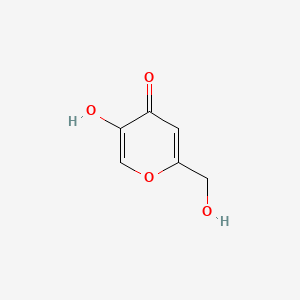
Kojic Acid
CAS 501-30-4 · active · EC 207-922-4 · KR 코직애씨드
5-Hydroxy-2-hydroxymethyl-4-pyrone
Kojic Acid is an active ingredient used in skincare formulations.
Quick facts
Description: Kojic Acid — brightening.
All Functions: brightening
Quick Facts:
- Category: active
- Comedogenic Rating: 1/5
- Regulatory Note: Restricted in the EU
Proven Benefits At A Glance:
- Kojic acid is a natural compound produced by fungi that works by inhibiting tyrosinase, an enzyme involved in melanin (skin pigment) production
- It’s primarily used as a skin-lightening agent in cosmetics, but research suggests additional benefits including antioxidant, antimicrobial, and anti-inflammatory properties
- Studies indicate kojic acid and its derivatives are safe for human use at tested concentrations
- The ingredient is also used in food and pharmaceutical industries, not just skincare
Chemical Overview
Kojic acid is a pyranone that is 4H-pyran substituted by a hydroxy group at position 5, a hydroxymethyl group at position 2 and an oxo group at position 4. It has been isolated from the fungus Aspergillus oryzae. It has a role as an EC 1.14.18.1 (tyrosinase) inhibitor, a NF-kappaB inhibitor, an Aspergillus metabolite, a skin lightening agent, an EC 1.10.3.1 (catechol oxidase) inhibitor, an EC 1.10.3.2 (laccase) inhibitor, an EC 1.13.11.24 (quercetin 2,3-dioxygenase) inhibitor and an EC 1.4.3.3 (D-amino-acid oxidase) inhibitor. It is a member of 4-pyranones, a primary alcohol and an enol. It derives from a hydride of a 4H-pyran. The CIR Expert Panel concluded that kojic acid is safe for use in cosmetic products up to a concentration of 1%. kojic acid has been reported in Phaeosphaeria fuckelii, Aspergillus flavus, and other organisms with data available.
Source(s): LOTUS – the natural products occurrence database, Cosmetic Ingredient Review (CIR), ChEBI, via PubChem
Comedogenicity
1/5
Similar Ingredients
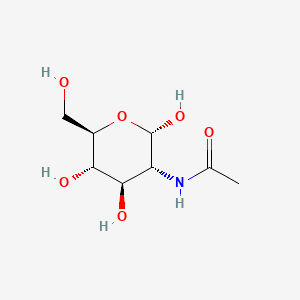
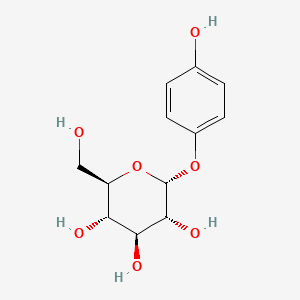
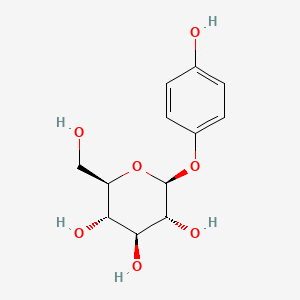

📰 More News
-
The CCL20-CCR6 axis predominantly drives IL-17-mediated psoriasis while modestly contributing to papain-induced type 2 inflammation
PubMed · Jul 11, 2026
-
SkinCeuticals Just Reformulated Its C E Ferulic Serum
Allure · Jul 20, 2026
-
Are Sunscreen Oils Just Tanning Oils in Disguise? Experts Weigh In
Allure · Jul 20, 2026
-
Update to RIFM fragrance ingredient safety assessment, propenylguaethol, CAS Registry Number 94-86-0
PubMed · Jul 20, 2026
-
Earth Harbor Obscura Night Repair Concentrate Review
Allure · Jul 21, 2026
-
Okay, We’ll Bite: Fruity Perfumes Are Cool
Allure · Jul 21, 2026