Mia Seilern
LACTOPEROXIDASE
⚠️ Data is provided for informational purposes only. It may contain inaccuracies and should be independently verified. This is not medical advice. Consult a healthcare professional before making health decisions.

Description: LACTOPEROXIDASE — natural antimicrobial enzyme.

All Functions: natural antimicrobial enzyme

Quick Facts:

  • Category: preservative

Proven Benefits At A Glance:

  • Lactoperoxidase (LPO) is a natural enzyme found in milk and human saliva, tears, and other secretions
  • It works as part of an antimicrobial system that can inactivate bacteria, viruses, and fungi
  • The enzyme is considered safe for mammalian cells and part of the body’s innate immune response
  • LPO derived from cow milk is used in skincare, oral care, food, and pharmaceutical products
  • It works by reacting with hydrogen peroxide and thiocyanate ions to create antimicrobial compounds
Safety: Generally Low ConcernResearch confidence: Good

Safety tier is a starting heuristic from regulatory status and comedogenic rating, not a dermatological verdict — see our Terms for the full disclaimer. Research confidence reflects how many real cited studies back this ingredient, not the strength of their findings.

🧪 LACTOPEROXIDASE

Chemical structure of LACTOPEROXIDASE

LACTOPEROXIDASE

CAS Number: 9003-99-0

Also Known As:

Category: preservative

EC Number: 232-668-6

Korean Name: 락토퍼옥시다아제

Peroxidase

LACTOPEROXIDASE is a preservative ingredient used in skincare formulations.

natural antimicrobial enzyme

🌍 Regulatory Status

EU: No restriction on fileUS: No restriction on file

📊 Comedogenicity

No data yet
Not rated for this ingredient yet.

📚 Research & Evidence

PUBMED CITATIONS
5
Data sources: EU CosIng PubMed

🔬 The Science

Lactoperoxidase is a glycosylated protein (a protein with sugar molecules attached) with a molecular weight of 78 kilodaltons, according to Prep Biochem Biotechnol. It naturally occurs in bovine (cow) milk and colostrum, as well as in human secretions like saliva, tears, and milk, per Br J Nutr. #1: Antimicrobial mechanism. LPO works as part of what’s called the “lactoperoxidase system” (LPO-system). The enzyme catalyzes a reaction where it uses hydrogen peroxide in the presence of thiocyanate ions to create products with antimicrobial activity, according to Int J Mol Sci. This system has been documented to work against bacteria, viruses, and fungi in laboratory studies (Oral Dis).

#2: Safety profile. Research indicates that LPO-systems are “found to be harmless to mammalian cells” (Br J Nutr), and using physiological substances like LPO poses no risk of development of microbial resistance, allergies, or DNA damage—unlike some synthetic antimicrobials (BMC Microbiol). #3: Immune function. LPO is described as “an important element of the nonspecific immune response” in saliva and plays a role in the body’s innate immunity beyond just direct antimicrobial effects; it may also help break down certain toxins (Int J Mol Sci, Prep Biochem Biotechnol). #4: Clinical effectiveness (limited evidence). One randomized study found that lozenges containing the complete LPO-system were more effective than placebo at inhibiting plaque regrowth and reducing cariogenic (cavity-causing) bacteria over a 4-day period, though a commercial chlorhexidine rinse (Listerine) was statistically more effective at overall plaque control (BMC Microbiol).

The sources do not provide extensive clinical data on skin-specific applications. #5: Formulation challenges. Researchers are exploring ways to stabilize LPO through nanoparticle encapsulation to improve its activity and shelf life for cosmetic and pharmaceutical use, since the enzyme’s activity can degrade over time (Prep Biochem Biotechnol, Int J Mol Sci). However, the sources do not confirm that these advanced formulations are currently available in consumer products.

💧 Skin Type Compatibility

No data yet
Per-skin-type data isn’t curated for this ingredient yet.

⚠️ Don’t Combine With

No data yet
No known incompatibilities on file for this ingredient.

🧴 Products Containing LACTOPEROXIDASE

📄 Related Research

Matched by search — not necessarily verified support for every statement above.

Similar Ingredients

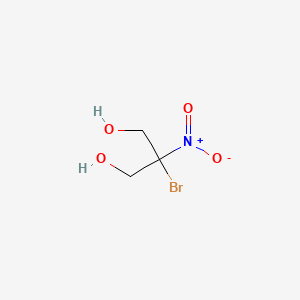
2-BROMO-2-NITROPROPANE-1,3-DIOL
preservative
View
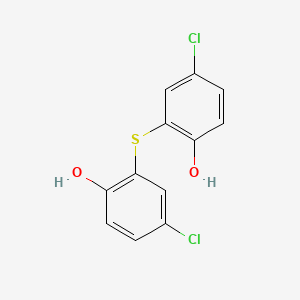
2,2′-THIOBIS(4-CHLOROPHENOL)
preservative
View
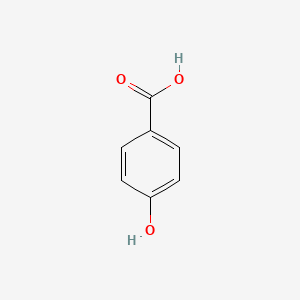
4-HYDROXYBENZOIC ACID
preservative
View
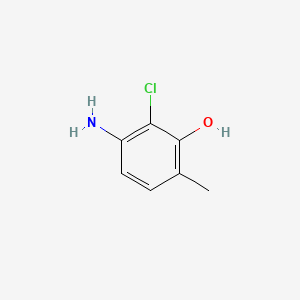
5-AMINO-6-CHLORO-O-CRESOL
preservative
View
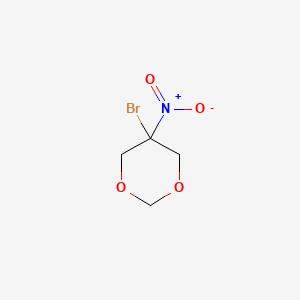
5-BROMO-5-NITRO-1,3-DIOXANE
preservative

View
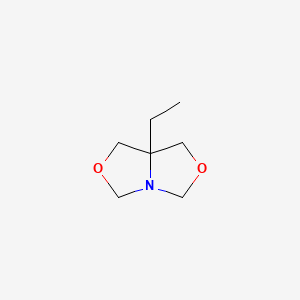
7-ETHYLBICYCLOOXAZOLIDINE
preservative
View
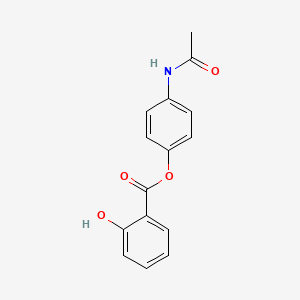
ACETAMINOSALOL
ACETAMINOSALOL
preservative
View
BENZALKONIUM CHLORIDE
preservative
View