Mia Seilern
LYSINE
⚠️ Data is provided for informational purposes only. It may contain inaccuracies and should be independently verified. This is not medical advice. Consult a healthcare professional before making health decisions.

Description: LYSINE — amino acid, part of the skin natural moisturizing factor (NMF).

All Functions: amino acid, part of the skin natural moisturizing factor (NMF)

Quick Facts:

  • Category: humectant

Proven Benefits At A Glance:

  • Lysine is an amino acid that can be chemically modified in skin cells in ways that affect collagen production and inflammation
  • Research shows lysine modifications are involved in skin aging, scarring, psoriasis, and diabetic wound healing
  • The modifications studied are complex molecular processes—not simply ‘adding lysine’ to your skincare routine
  • Current evidence is from lab and animal studies; human skincare application remains unclear
Safety: Generally Low ConcernResearch confidence: Good

Safety tier is a starting heuristic from regulatory status and comedogenic rating, not a dermatological verdict — see our Terms for the full disclaimer. Research confidence reflects how many real cited studies back this ingredient, not the strength of their findings.

🧪 LYSINE

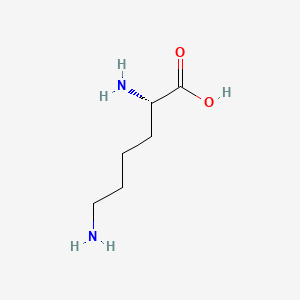
Chemical structure of LYSINE

LYSINE

CAS Number: 56-87-1

Also Known As:

Category: humectant

EC Number: 200-294-2

Korean Name: 라이신

L-Lysine

LYSINE is a humectant ingredient used in skincare formulations.

amino acidpart of the skin natural moisturizing factor (NMF)

🌍 Regulatory Status

EU: No restriction on fileUS: No restriction on file

📊 Comedogenicity

No data yet
Not rated for this ingredient yet.

📚 Research & Evidence

PUBMED CITATIONS
5
Data sources: EU CosIng PubMed

🔬 The Science

Lysine is an amino acid (a building block of proteins) that plays an unexpected role in skin health—not by being a simple nutrient you apply topically, but through chemical modifications that happen inside skin cells. Here’s what the research actually shows:

#1: Collagen production and skin aging — When skin ages, fibroblasts (the cells that make collagen) produce less collagen. One study (Int J Biol Macromol, 2024) found that fibroblasts can undergo a process called lysine lactylation at a specific site (K752 on a protein called LTBP1). This modification increased production of collagen I and collagen III. The mechanism involved lactate (produced by a biomaterial called PLLA) entering cells through a transporter, then triggering this lysine modification via an enzyme called KAT8.

Importantly, this was demonstrated in lab dishes and aged mice—not in human skin. #2: Hypertrophic scarring — In scar tissue, a different lysine modification occurs: histone H3 lysine 23 lactylation (H3K23la). Research in Nature Communications (2026) showed that macrophages (immune cells) release lactate, which fibroblasts take up and use to trigger this lysine modification. This amplifies scar-forming genes. Blocking this process in mice reduced scarring and improved wound healing. #3: Psoriasis inflammation — Lysine acetylation (a different chemical modification) at histone H4 lysine 16 (H4K16ac) was elevated in psoriasis lesions, correlating with disease severity (Cell Death Differ, 2026). An enzyme called KAT8 catalyzes this modification, which increases production of inflammatory chemokines.

Blocking KAT8 in mice reduced psoriasis symptoms. #4: Diabetic wound healing — In diabetic skin, a process called lysine crotonylation at histone H3 lysine 27 (H3K27cr) was abnormally elevated (Pharmacol Res, 2025). This modification interfered with both autophagy (cellular cleanup) and ferroptosis (a form of cell death), both critical for wound healing. Blocking this lysine modification improved healing in diabetic rats. Critical limitation: All these studies involve lysine modifications happening *inside cells* through complex enzymatic processes—not topical application of lysine itself. Source 4 (2004) discussed poly-L-lysine only as a lab tool for cell labeling, not skincare. None of these sources demonstrate that applying lysine-containing products to skin would replicate these cellular effects in humans.

💧 Skin Type Compatibility

No data yet
Per-skin-type data isn’t curated for this ingredient yet.

⚠️ Don’t Combine With

No data yet
No known incompatibilities on file for this ingredient.

🧴 Products Containing LYSINE

📄 Related Research

Matched by search — not necessarily verified support for every statement above.

Similar Ingredients

ALANINE
ALANINE
humectant
View
ARGININE
ARGININE
humectant
View
ASPARTIC ACID
ASPARTIC ACID
humectant
View
CYSTEINE
CYSTEINE
humectant
View
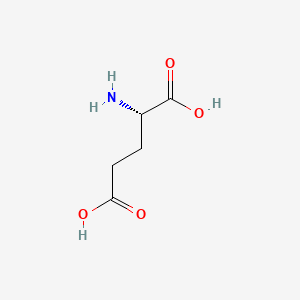
GLUTAMIC ACID
GLUTAMIC ACID
humectant
View
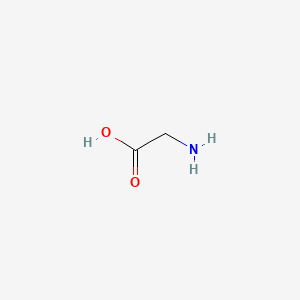
GLYCINE
GLYCINE
humectant
View
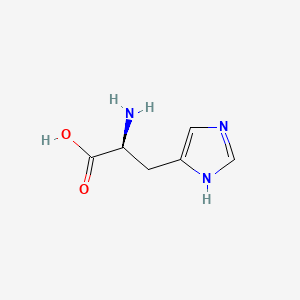
HISTIDINE
HISTIDINE
humectant
View
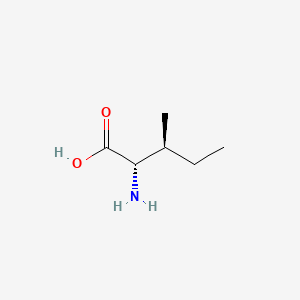
ISOLEUCINE
ISOLEUCINE
humectant
View