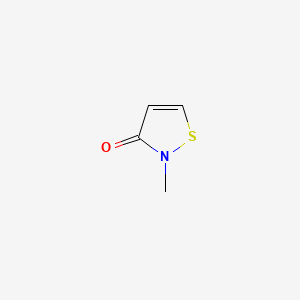
METHYLISOTHIAZOLINONE
CAS 2682-20-4 · preservative · EC 220-239-6 · KR 메칠이소치아졸리논
2-Methyl-2H-isothiazol-3-one
METHYLISOTHIAZOLINONE is a preservative ingredient used in skincare formulations.
Quick facts
Description: METHYLISOTHIAZOLINONE — preservative; increasingly restricted/avoided due to sensitization concerns.
All Functions: preservative; increasingly restricted/avoided due to sensitization concerns
Quick Facts:
- Category: preservative
Proven Benefits At A Glance:
- Methylisothiazolinone (MI) is a preservative used in water-based personal care products
- MI was named Contact Allergen of the Year in 2013 by the American Contact Dermatitis Society
- Contact allergy to MI has increased significantly in recent years, described as an ‘epidemic’ in Europe and other regions
- Standard patch tests using the MCI/MI combination miss approximately 40% of MI-only allergies
- MI is also found in some household products, industrial chemicals, paints, and adhesives—not just cosmetics
- If you have a confirmed MI allergy, dermatologists recommend avoiding products labeled with this ingredient
Chemical Overview
Chloromethylisothiazolinone is a 1,2-thiazole that is 4-isothiazolin-3-one bearing a methyl group on the nitrogen atom and a chlorine at C-5. It is a powerful biocide and preservative and is the major active ingredient in the commercial product KathonTM. It has a role as an antimicrobial agent, a xenobiotic and an environmental contaminant. It is an organochlorine compound and a member of 1,2-thiazoles. It is functionally related to a methylisothiazolinone. The Panel concluded that the ingredient mixture MCI/MI is safe in cosmetics when formulated to be non-sensitizing, based on the results of a QRA or similar methodology; however, at no point should concentrations exceed 7.5 ppm in leaveon products or 15 ppm in rinse-off products. Methylchloroisothiazolinone (MCI) is an isothiazolinone commonly used as a preservative with antibacterial and antifungal properties. It is found within many commercially available cosmetics, lotions, and makeup removers. It is also a known dermatological sensitizer and allergen; some of its side effects include flaky or scaly skin, breakouts, redness or itchiness, and moderate to severe swelling in the eye area. The American Contact Dermatitis Society named Methylchloroisothiazolinone the Contact Allergen of the Year for 2013. Sensitivity to Methylchloroisothiazolinone may be identified with a clinical patch test.
Source(s): DrugBank, ChEBI, Cosmetic Ingredient Review (CIR), via PubChem
Comedogenicity
Similar Ingredients

📰 More News
-
The CCL20-CCR6 axis predominantly drives IL-17-mediated psoriasis while modestly contributing to papain-induced type 2 inflammation
PubMed · Jul 11, 2026
-
SkinCeuticals Just Reformulated Its C E Ferulic Serum
Allure · Jul 20, 2026
-
Are Sunscreen Oils Just Tanning Oils in Disguise? Experts Weigh In
Allure · Jul 20, 2026
-
Update to RIFM fragrance ingredient safety assessment, propenylguaethol, CAS Registry Number 94-86-0
PubMed · Jul 20, 2026
-
Earth Harbor Obscura Night Repair Concentrate Review
Allure · Jul 21, 2026
-
Okay, We’ll Bite: Fruity Perfumes Are Cool
Allure · Jul 21, 2026