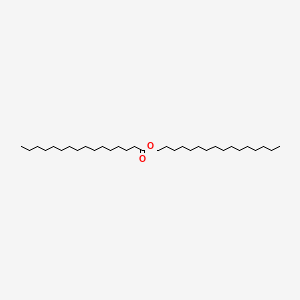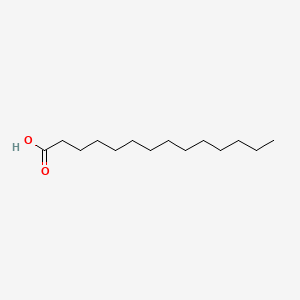
Description: MYRISTIC ACID — fatty acid, emulsion stabilizer, thickener.
All Functions: fatty acid, emulsion stabilizer, thickener
Quick Facts:
- Category: emollient
Proven Benefits At A Glance:
- A saturated fatty acid naturally found in foods like nutmeg and common dietary fats
- Research shows anti-inflammatory activity in laboratory and animal models
- Safety assessments conclude it is safe for cosmetic and food use at current levels
- Not expected to cause genetic damage, skin sensitization, or environmental harm
- May irritate skin or eyes in pure form under extreme exposure, but not known to cause allergic sensitization
Safety tier is a starting heuristic from regulatory status and comedogenic rating, not a dermatological verdict — see our Terms for the full disclaimer. Research confidence reflects how many real cited studies back this ingredient, not the strength of their findings.
🧪 MYRISTIC ACID
MYRISTIC ACID
CAS Number: 544-63-8
Also Known As: —
Category: emollient
EC Number: 208-875-2
Korean Name: 미리스틱애씨드
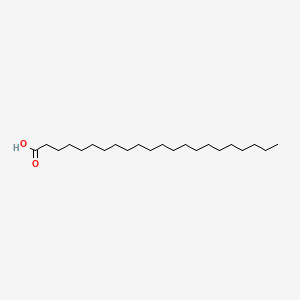
Tetradecanoic acid
MYRISTIC ACID is an emollient ingredient used in skincare formulations.
🌍 Regulatory Status
📊 Comedogenicity
📚 Research & Evidence
🔬 The Science
Myristic acid is a 14-carbon saturated fatty acid widely distributed throughout plant and animal fats (Food Chem Toxicol, 2007). Here’s what the research shows:
#1: Anti-inflammatory effects in cells and animals. In laboratory studies, myristic acid increased production of IL-10, an immune signaling molecule that reduces inflammation, in stimulated immune cells (J Food Biochem, 2022). In animal models of acute and chronic inflammation, it demonstrated measurable anti-inflammatory activity (J Food Biochem, 2022). Additionally, when combined with palmitic acid in research on fungal infections, the pair showed anti-inflammatory effects in infected animal tissues (Biomed Pharmacother, 2021). #2: Pain-related effects in animal models.
Myristic acid showed activity in three different pain models in mice, with effects potentially related to the nervous system’s nitric oxide signaling (J Food Biochem, 2022), though this research was conducted in animals and the relevance to human skin application is unclear. Safety profile: Multiple safety assessments found no concerns at current use levels. Myristic acid is not expected to cause genetic damage (Food Chem Toxicol, 2026; Food Chem Toxicol, 2007), does not trigger skin allergic sensitization under declared use levels (Food Chem Toxicol, 2026), and is not photoirritating (Food Chem Toxicol, 2026). The Cosmetic Ingredient Review Panel determined myristic acid and its derivatives are safe as cosmetic ingredients in current practices (Int J Toxicol, 2010).
In pure form, it may be irritating to skin and eyes under extreme conditions, but this is not the same as causing allergic sensitization (Food Chem Toxicol, 2007).
💧 Skin Type Compatibility
Derived from this ingredient’s irritancy potential and comedogenicity rating against the needs of each skin type — e.g. oily and acne-prone skin are marked down for pore-clogging ingredients, sensitive skin for irritants. A starting heuristic, not a dermatological verdict.
⚠️ Don’t Combine With
🧴 Products Containing MYRISTIC ACID
- Eucerin pH5
- atrix
- nivea nivea cream
- Nivea Soft
- BRYNILD GRUPPEN AS Nivea Men Body & Face Cream 150ml
- Nivea Nivea lait démaquillant
- CONAXESS TRADE NORGE AS Brillance Hårfarge 872 Intense Red
- BRYNILD GRUPPEN AS Nivea Roll-On Magnesium 50ml
- Roots of strength body shop
- milk plus cleaning
- CONAXESS TRADE NORGE AS Brillance Hårfarge 924 Choco Couture
- Unilever, Pond’s Bio-Hydratante
- Vaseline Intensive Care Non-greasy Lotion
- Gillette, P&G, Procter & Gamble Gillette Fusion Proglide
- Loreal norge as / slt Revitalift Natt 50ml Loreal
- BODY MILK CROWE
- L’OREAL NORGE AS L’Oreal Revitalift Day Cream Anti Age 50ml
- L’OREAL NORGE AS Men Expert Pure Charcoal Clean 100ml
- L’OREAL NORGE AS L’Oreal Eyecream Age Perfect Gold Rosy 15ml
- ponds’s clarant b3
📄 Related Research
Matched by search — not necessarily verified support for every statement above.
- Alonso-Castro AJ et al. (2022). Myristic acid reduces skin inflammation and nociception. J Food Biochem.
- Prasath KG et al. (2021). Anti-inflammatory potential of myristic acid and palmitic acid synergism against systemic candidiasis in Danio rerio (Zebrafish). Biomed Pharmacother.
- Api AM et al. (2026). Update to RIFM fragrance ingredient safety assessment, myristic acid, CAS Registry Number 544-63-8. Food Chem Toxicol.
- Burdock GA et al. (2007). Safety assessment of myristic acid as a food ingredient. Food Chem Toxicol.
- Becker LC et al. (2010). Final report of the amended safety assessment of myristic acid and its salts and esters as used in cosmetics. Int J Toxicol.
Similar Ingredients
📰 More News
-
The CCL20-CCR6 axis predominantly drives IL-17-mediated psoriasis while modestly contributing to papain-induced type 2 inflammation
PubMed · 23 days ago
-
SkinCeuticals Just Reformulated Its C E Ferulic Serum
Allure · 14 days ago
-
Are Sunscreen Oils Just Tanning Oils in Disguise? Experts Weigh In
Allure · 14 days ago
-
Update to RIFM fragrance ingredient safety assessment, propenylguaethol, CAS Registry Number 94-86-0
PubMed · 14 days ago
-
Earth Harbor Obscura Night Repair Concentrate Review
Allure · 13 days ago
-
Okay, We’ll Bite: Fruity Perfumes Are Cool
Allure · 13 days ago