CETYL ALCOHOL
CAS 36653-82-4 · emollient · EC 253-149-0 · KR 세틸알코올
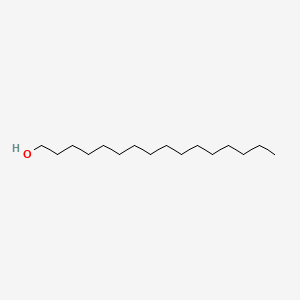
Hexadecan-1-ol
CETYL ALCOHOL is an emollient ingredient used in skincare formulations.
Quick facts
Description: CETYL ALCOHOL — fatty alcohol — emollient, thickener, emulsion stabilizer (not drying like ethanol).
All Functions: fatty alcohol — emollient, thickener, emulsion stabilizer (not drying like ethanol)
Quick Facts:
- Category: emollient
- Comedogenic Rating: 2/5
Proven Benefits At A Glance:
- Cetyl alcohol is a fatty ingredient used to help structure creams and lotions
- It works with other ingredients to form gel-like networks that give products their texture
- Research suggests it doesn’t penetrate healthy skin in significant amounts
- It may penetrate more readily through damaged or diseased skin
Chemical Overview
Hexadecan-1-ol is a long-chain primary fatty alcohol that is hexadecane substituted by a hydroxy group at position 1. It has a role as a flavouring agent, a plant metabolite, a human metabolite and an algal metabolite. It is a hexadecanol and a long-chain primary fatty alcohol. Cetyl alcohol, also known as 1-hexadecanol or n-hexadecyl alcohol, is a 16-C fatty alcohol with the chemical formula CH3(CH2)15OH. It can be produced from the reduction of palmitic acid. Cetyl alcohol is present in a waxy white powder or flake form at room temperature, and is insoluble in water and soluble in alcohols and oils. Discovered by Chevrenl in 1913, cetyl alcohol is one of the oldest known long-chain alcohol. It may be contained in cosmetic and personal care products such as shampoos, creams and lotions. Mainly it is used as an opacifier, emulsifier, and thickening agent that alter the thickness of the liquid, and increase and stabilize the foaming capacity. Due to its water-binding property, cetyl alcohol is commonly used as an emollient that prevents drying and chapping of the skin. According to the FDA Code of Federal Regulations, cetyl alcohol is a safe synthetic fatty acid in food and in the synthesis of food components under the condition that it contain not less than 98 percent of total alcohols and not less than 94 percent of straight chain alcohols. Cetyl alcohol is also listed in the OTC ingredient list as a skin protectant for skin irritations caused by poison ivy, oak, sumac, and insect bites or stings. Cetyl alcohol is reported to be a mild skin or eye irritant. cetyl alcohol has been reported in Camellia sinensis, Angelica gigas, and other organisms with data available.
Source(s): DrugBank, LOTUS – the natural products occurrence database, ChEBI, via PubChem
Comedogenicity
2/5
Similar Ingredients

📰 More News
-
The CCL20-CCR6 axis predominantly drives IL-17-mediated psoriasis while modestly contributing to papain-induced type 2 inflammation
PubMed · Jul 11, 2026
-
SkinCeuticals Just Reformulated Its C E Ferulic Serum
Allure · Jul 20, 2026
-
Are Sunscreen Oils Just Tanning Oils in Disguise? Experts Weigh In
Allure · Jul 20, 2026
-
Update to RIFM fragrance ingredient safety assessment, propenylguaethol, CAS Registry Number 94-86-0
PubMed · Jul 20, 2026
-
Earth Harbor Obscura Night Repair Concentrate Review
Allure · Jul 21, 2026
-
Okay, We’ll Bite: Fruity Perfumes Are Cool
Allure · Jul 21, 2026