HYDROXYPROPYL METHYLCELLULOSE
CAS 9004-65-3 · other · EC – · KR 하이드록시프로필메틸셀룰로오스
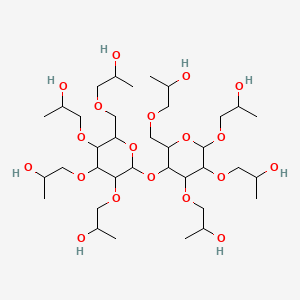
Cellulose, 2-hydroxypropyl methyl ether
HYDROXYPROPYL METHYLCELLULOSE is an other ingredient used in skincare formulations.
Quick facts
Description: HYDROXYPROPYL METHYLCELLULOSE — thickener, film-forming agent.
All Functions: thickener, film-forming agent
Quick Facts:
- Category: other
Proven Benefits At A Glance:
- HPMC is a cellulose derivative used in skincare formulations to create hydrogels—water-holding polymeric networks suitable for topical application
- Research shows HPMC hydrogels have good safety profiles with no skin irritation in biocompatibility studies
- HPMC can be combined with other ingredients to improve how products stick to skin and how active ingredients are released over time
- HPMC is primarily studied for its role as a delivery system and texture-builder, not as an active skincare ingredient itself
- Rare cases of allergic reactions to HPMC have been documented when ingested orally, though topical use showed no irritation in studies
Chemical Overview
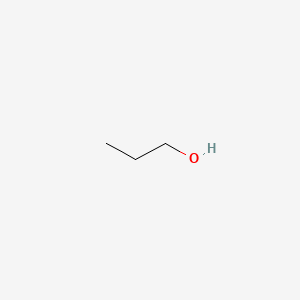
N-propanol appears as a clear colorless liquid with a sharp musty odor like rubbing alcohol. Flash point 53-77 °F. Autoignites at 700 °F. Vapors are heavier than air and mildly irritate the eyes, nose, and throat. Density approximately 6.5 lb / gal. Used in making cosmetics, skin and hair preparations, pharmaceuticals, perfumes, lacquer formulations, dye solutions, antifreezes, rubbing alcohols, soaps, window cleaners, acetone and other chemicals and products. Propan-1-ol is the parent member of the class of propan-1-ols that is propane in which a hydrogen of one of the methyl groups is replaced by a hydroxy group. It has a role as a metabolite and a protic solvent. It is a short-chain primary fatty alcohol and a member of propan-1-ols. A colorless liquid made by oxidation of aliphatic hydrocarbons that is used as a solvent and chemical intermediate.
Source(s): DrugBank, CAMEO Chemicals, ChEBI, via PubChem
Comedogenicity
Similar Ingredients

📰 More News
-
The CCL20-CCR6 axis predominantly drives IL-17-mediated psoriasis while modestly contributing to papain-induced type 2 inflammation
PubMed · Jul 11, 2026
-
SkinCeuticals Just Reformulated Its C E Ferulic Serum
Allure · Jul 20, 2026
-
Are Sunscreen Oils Just Tanning Oils in Disguise? Experts Weigh In
Allure · Jul 20, 2026
-
Update to RIFM fragrance ingredient safety assessment, propenylguaethol, CAS Registry Number 94-86-0
PubMed · Jul 20, 2026
-
Earth Harbor Obscura Night Repair Concentrate Review
Allure · Jul 21, 2026
-
Okay, We’ll Bite: Fruity Perfumes Are Cool
Allure · Jul 21, 2026