Mia Seilern
HYDROXYETHYLCELLULOSE
⚠️ Data is provided for informational purposes only. It may contain inaccuracies and should be independently verified. This is not medical advice. Consult a healthcare professional before making health decisions.

Description: HYDROXYETHYLCELLULOSE — thickener, texture stabilizer.

All Functions: thickener, texture stabilizer

Quick Facts:

  • Category: other

Proven Benefits At A Glance:

  • Hydroxyethylcellulose (HEC) is a water-soluble, biodegradable cellulose derivative used in skincare and cosmetics
  • It’s biocompatible and nontoxic, making it suitable for topical application
  • HEC can be formulated into gels with good spreadability and prolonged contact time on skin
  • It has mucoadhesive properties, meaning it can adhere to skin and mucosal surfaces
  • HEC hydrogels can deliver other active ingredients and maintain stable formulations over time
Safety: Generally Low ConcernResearch confidence: Good

Safety tier is a starting heuristic from regulatory status and comedogenic rating, not a dermatological verdict — see our Terms for the full disclaimer. Research confidence reflects how many real cited studies back this ingredient, not the strength of their findings.

Pregnancy safe

🧪 HYDROXYETHYLCELLULOSE

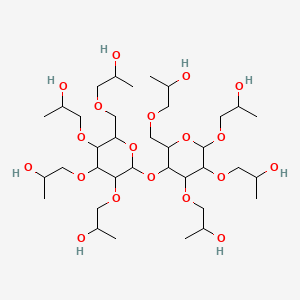
Chemical structure of HYDROXYETHYLCELLULOSE

HYDROXYETHYLCELLULOSE

CAS Number: 9004-62-0

Also Known As:

Category: other

EC Number:

Korean Name: 하이드록시에틸셀룰로오스

Cellulose, 2-hydroxyethyl ether

HYDROXYETHYLCELLULOSE is an other ingredient used in skincare formulations.

thickenertexture stabilizer

🌍 Regulatory Status

EU: No restriction on fileUS: No restriction on file

📊 Comedogenicity

No data yet
Not rated for this ingredient yet.

📚 Research & Evidence

PUBMED CITATIONS
5
Data sources: EU CosIng PubMed

🔬 The Science

Hydroxyethylcellulose is a cellulose derivative—meaning it’s derived from plant material—that dissolves in water and is non-ionic, which in chemistry terms means it doesn’t carry an electrical charge (Int J Biol Macromol, 2020). The ingredient is broadly used in cosmetics and personal care products because it’s biocompatible (safe for skin contact), biodegradable (breaks down naturally), and nontoxic. #1: HEC functions as a gel base with desirable texture properties. Research shows that HEC hydrogels exhibit “pseudoplastic behavior with thixotropy”—essentially, this means the gel flows more easily when you spread it but stays put once applied, providing good spreadability (J Pharm Sci, 2025).

#2: The gels remain stable over time, maintaining consistent pH, density, and viscosity over at least 30 days (J Pharm Sci, 2025). #3: HEC has mucoadhesive properties, meaning it can stick to and stay in contact with skin and other tissues. Research evaluating ocular (eye) formulations confirmed HEC’s “mucoadhesive properties” using tensile strength testing, and this adhesion extended the time the formulation remained on the ocular surface compared to conventional drops (Int J Pharm, 2020). This same property would theoretically benefit skincare products by increasing contact time with the skin. #4: HEC can serve as a delivery matrix for active ingredients.

When liposomes (tiny spheres designed to carry drugs or actives) were incorporated into HEC hydrogels, the system maintained good spreadability while achieving prolonged release of the active ingredient and improved skin penetration (J Pharm Sci, 2025). In wound healing research, HEC gel successfully served as a carrier for fibroblasts (skin-repairing cells), supporting their activity in promoting tissue regeneration (Biomedicines, 2024). The sources document HEC’s utility in formulation but contain limited direct evidence of standalone skincare benefits. The research is primarily focused on HEC’s role as a delivery vehicle and base ingredient rather than demonstrating independent skin benefits.

💧 Skin Type Compatibility

100%
Sensitive
100%
Oily
100%
Dry
100%
Combination
100%
Acne-prone
100%
Normal

Derived from this ingredient’s irritancy potential and comedogenicity rating against the needs of each skin type — e.g. oily and acne-prone skin are marked down for pore-clogging ingredients, sensitive skin for irritants. A starting heuristic, not a dermatological verdict.

⚠️ Don’t Combine With

No data yet
No known incompatibilities on file for this ingredient.

🧴 Products Containing HYDROXYETHYLCELLULOSE

📄 Related Research

Matched by search — not necessarily verified support for every statement above.

Similar Ingredients

ACRYLATES/C10-30 ALKYL ACRYLATE CROSSPOLYMER
other
View
BEHENIC ACID
BEHENIC ACID
emollient
View
CARBOMER
CARBOMER
other
View
CELLULOSE GUM
CELLULOSE GUM
other
View
CETYL ALCOHOL
CETYL ALCOHOL
emollient
View
CETYL PALMITATE
CETYL PALMITATE
emollient
View
HYDROXYPROPYL METHYLCELLULOSE
other
View
MAGNESIUM ALUMINUM SILICATE
other
View