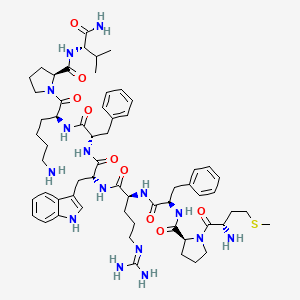
Mia Seilern
⚠️ Data is provided for informational purposes only. It may contain inaccuracies and should be independently verified. This is not medical advice. Consult a healthcare professional before making health decisions.

Description: NONAPEPTIDE-1 — peptide, brightening, supports even skin tone.

All Functions: peptide, brightening, supports even skin tone

Quick Facts:

  • Category: active

Proven Benefits At A Glance:

  • Nonapeptide-1 interferes with melanin transfer in skin
  • It reduces melanin content and can inhibit tyrosinase (an enzyme involved in pigmentation)
  • Research shows it may help address UV-induced skin damage and hyperpigmentation
  • Often combined with other ingredients like antioxidants and sunscreen in skincare formulations
  • Evidence is limited to laboratory and small clinical studies
Safety: Generally Low ConcernResearch confidence: Good

Safety tier is a starting heuristic from regulatory status and comedogenic rating, not a dermatological verdict — see our Terms for the full disclaimer. Research confidence reflects how many real cited studies back this ingredient, not the strength of their findings.

🧪 NONAPEPTIDE-1

NONAPEPTIDE-1

CAS Number:

Also Known As:

Category: active

Korean Name: 노나펩타이드-1

Nonapeptide-1 is a synthetic nonapeptide derived from arginine, lysine, methionine, phenylalanine, proline, tryptophan and valine

NONAPEPTIDE-1 is an active ingredient used in skincare formulations.

peptidebrighteningsupports even skin tone

🌍 Regulatory Status

EU: No restriction on fileUS: No restriction on file

📊 Comedogenicity

No data yet
Not rated for this ingredient yet.

📚 Research & Evidence

PUBMED CITATIONS
4
Data sources: EU CosIng PubMed

🔬 The Science

Nonapeptide-1 is a short chain of nine amino acids that appears in skincare research primarily for its role in managing pigmentation and photoaging—damage caused by sun exposure. #1: Melanin management. Nonapeptide-1 exhibits what researchers call “melanin transfer interference properties,” meaning it can disrupt the process by which melanin (the pigment that colors skin) moves within skin cells. In one study, when nonapeptide-1 was incorporated into a specialized delivery system with green tea extract (EGCG), it reduced melanin content 5.22 times more effectively than the green tea extract alone, and inhibited tyrosinase (the enzyme that produces melanin) 1.57 times more than the extract alone (Int J Pharm, 2024).

A separate laboratory study confirmed that nonapeptide-1 acetate salt decreased melanin content and tyrosinase activity in human melanocyte cells exposed to UVA light (Postepy Dermatol Alergol, 2022). #2: Potential role in melasma treatment. One small clinical trial tested a combination product containing nonapeptide-1 along with phenyl ethyl resorcinol, aminoethyl phosphinic acid, antioxidants, and sunscreen against sunscreen alone for melasma (a common cause of facial dark patches, especially in darker skin types). The combination showed more consistent reduction in melasma severity scores compared to sunscreen alone, though the improvement did not reach statistical significance—a limitation the authors attributed to small sample size and short follow-up period (Indian J Dermatol Venereol Leprol, 2021).

#3: Likely mechanism. Research suggests nonapeptide-1 may work partly by interfering with the α-MSH to MC1R signaling pathway, which is associated with UV-triggered pigment production, though this mechanism has been more thoroughly documented for tea polyphenols rather than nonapeptide-1 specifically (Postepy Dermatol Alergol, 2022). Important limitations: The evidence base is small. Laboratory studies (called in vitro) and animal studies don’t always translate to human skin. The one human clinical trial was small (23 subjects per group), short-term (eight months), and showed trends rather than definitive results. Nonapeptide-1 has not been studied in isolation but always as part of multi-ingredient formulations, making it difficult to know its independent contribution.

💧 Skin Type Compatibility

No data yet
Per-skin-type data isn’t curated for this ingredient yet.

⚠️ Don’t Combine With

No data yet
No known incompatibilities on file for this ingredient.

🧴 Products Containing NONAPEPTIDE-1

No data yet
No products with this ingredient found in the current database yet.

📄 Related Research

Matched by search — not necessarily verified support for every statement above.

Similar Ingredients

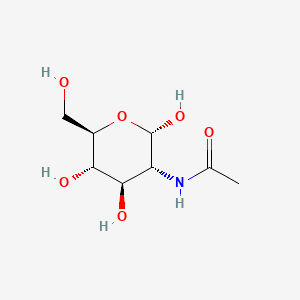
ACETYL GLUCOSAMINE
ACETYL GLUCOSAMINE
active
View
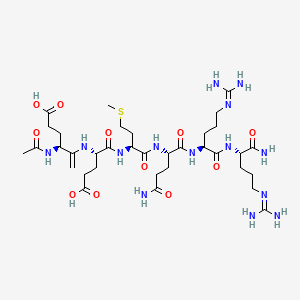
ACETYL HEXAPEPTIDE-8
active
View
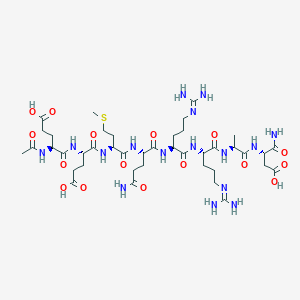
ACETYL OCTAPEPTIDE-3
active
View
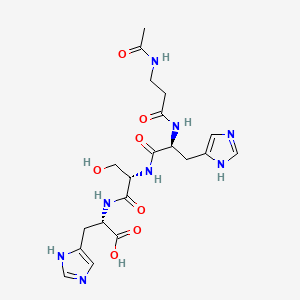
ACETYL TETRAPEPTIDE-5
active
View
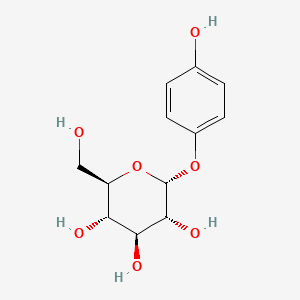
Alpha Arbutin
Alpha Arbutin
active
View
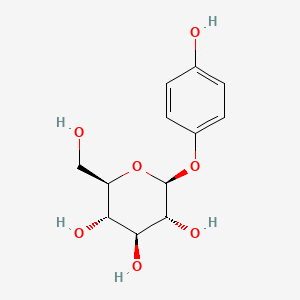
ARBUTIN
ARBUTIN
active
View
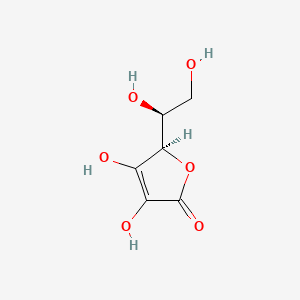
Ascorbic Acid
Ascorbic Acid
active
View
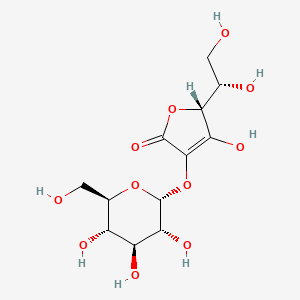
ASCORBYL GLUCOSIDE
ASCORBYL GLUCOSIDE
active
View