Mia Seilern
⚠️ Data is provided for informational purposes only. It may contain inaccuracies and should be independently verified. This is not medical advice. Consult a healthcare professional before making health decisions.

Description: OLEA EUROPAEA FRUIT OIL — moisturizing, antioxidant (Olive Oil).

All Functions: moisturizing, antioxidant (Olive Oil)

Quick Facts:

  • Category: emollient
  • Comedogenic Rating: 2/5

Proven Benefits At A Glance:

  • Olea europaea fruit oil is rich in monounsaturated fatty acids, vitamin E, and polyphenols
  • The oil contains about 98-99% fatty acids and 1-2% bioactive compounds like phenolics and tocopherols
  • Research suggests antioxidant and anti-inflammatory properties
  • Used in cosmetics, pharmaceuticals, and traditional medicine
  • Key phenolic compounds include hydroxytyrosol, oleuropein, and oleocanthal
Safety: Generally Low ConcernResearch confidence: Good

Safety tier is a starting heuristic from regulatory status and comedogenic rating, not a dermatological verdict — see our Terms for the full disclaimer. Research confidence reflects how many real cited studies back this ingredient, not the strength of their findings.

Pregnancy safe

🧪 OLEA EUROPAEA FRUIT OIL

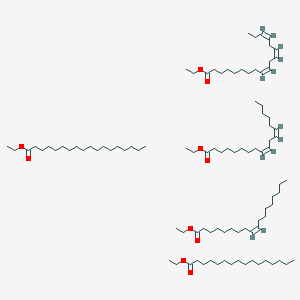
Chemical structure of OLEA EUROPAEA FRUIT OIL

OLEA EUROPAEA FRUIT OIL

CAS Number: 8001-25-0

Also Known As:

Category: emollient

EC Number: 232-277-0

Olea Europaea Fruit Oil is the fixed oil obtained from the ripe fruit of the Olive, Olea europaea L., Oleaceae. It consists primarily of the glycerides of the fatty acids linoleic, oleic and palmitic

OLEA EUROPAEA FRUIT OIL is an emollient ingredient used in skincare formulations.

moisturizingantioxidant (Olive Oil)

🌍 Regulatory Status

EU: No restriction on fileUS: No restriction on file

📊 Comedogenicity

🟥🟥⬜⬜⬜

2/5

📚 Research & Evidence

PUBMED CITATIONS
5
Data sources: EU CosIng PubMed

🔬 The Science

Olea europaea fruit oil comes from olives native to the Mediterranean region. The oil’s composition is dominated by fatty acids, which make up 98-99% of extra-virgin olive oil by weight (Nutrients, 2019). The remaining 1-2% contains bioactive compounds that researchers find particularly interesting: phenolics, phytosterols, tocopherols (a form of vitamin E), and squalene (Nutrients, 2019). #1: Antioxidant and anti-inflammatory activity. The oil and olive-derived products have demonstrated biological activities mainly associated with antioxidant and anti-inflammatory properties (Adv Food Nutr Res, 2023). In one animal study, oleaster oil (from a related species) decreased oxidative stress markers in obese rats and improved reproductive health indicators, with benefits appearing to be dose-dependent (J Complement Integr Med, 2023).

#2: Polyphenol content and function. The phenolic compounds in olive fruit oil—particularly hydroxytyrosol, oleuropein, oleocanthal, and lignans—are considered relevant molecules for human health (Nutrients, 2019). Research has identified the genes responsible for producing the precursors to these important phenolics during fruit development (Int J Mol Sci, 2024), suggesting their synthesis is a carefully regulated biological process. #3: Cardiovascular associations. Large European nutrition studies (EPIC and EPICOR) have demonstrated associations between extra-virgin olive oil consumption and lower incidence of coronary heart disease, as well as relationships between olive oil intake and cancer risk (Nutrients, 2019). However, the sources document associations rather than direct causation.

The oil is employed across multiple industries—cosmetics, pharmaceuticals, and food—and continues to be studied for potential applications against cancer, cardiovascular disease, and as an antimicrobial agent (Adv Food Nutr Res, 2023). Researchers emphasize that olive oil by-products and leaves can be processed using green technologies to recover bioactive compounds for nutraceutical and biomedical uses (Nutrients, 2019).

💧 Skin Type Compatibility

97%
Sensitive
40%
Oily
97%
Dry
93%
Combination
40%
Acne-prone
96%
Normal

Derived from this ingredient’s irritancy potential and comedogenicity rating against the needs of each skin type — e.g. oily and acne-prone skin are marked down for pore-clogging ingredients, sensitive skin for irritants. A starting heuristic, not a dermatological verdict.

⚠️ Don’t Combine With

No data yet
No known incompatibilities on file for this ingredient.

🧴 Products Containing OLEA EUROPAEA FRUIT OIL

📄 Related Research

Matched by search — not necessarily verified support for every statement above.

Similar Ingredients

ALANINE
ALANINE
humectant
View
ARGANIA SPINOSA KERNEL OIL
emollient
View
ARGININE
ARGININE
humectant
View
ASPARTIC ACID
ASPARTIC ACID
humectant
View
BUTYROSPERMUM PARKII BUTTER
emollient
View
CAMELLIA OLEIFERA SEED OIL
emollient
View
CANNABIS SATIVA SEED OIL
emollient
View
Coconut Oil
Coconut Oil
emollient
View