Mia Seilern
PALMITIC ACID
⚠️ Data is provided for informational purposes only. It may contain inaccuracies and should be independently verified. This is not medical advice. Consult a healthcare professional before making health decisions.

Description: PALMITIC ACID — fatty acid, emulsion stabilizer, thickener.

All Functions: fatty acid, emulsion stabilizer, thickener

Quick Facts:

  • Category: emollient

Proven Benefits At A Glance:

  • Palmitic acid is a saturated fatty acid naturally present in skin and the body
  • High levels of palmitic acid trigger inflammatory responses in immune cells and metabolic tissues
  • Palmitic acid can activate specific inflammatory signaling pathways (NF-κB)
  • In skin, palmitic acid can worsen atopic dermatitis symptoms by activating nerve and mast cell responses
  • Palmitic acid’s effects differ from other fatty acids like linoleic acid in how it influences skin cells
Safety: Generally Low ConcernResearch confidence: GoodCommon fungal-acne trigger

Safety tier is a starting heuristic from regulatory status and comedogenic rating, not a dermatological verdict — see our Terms for the full disclaimer. Research confidence reflects how many real cited studies back this ingredient, not the strength of their findings.

Pregnancy safe

🧪 PALMITIC ACID

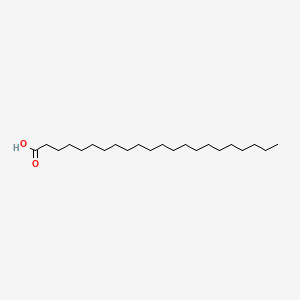
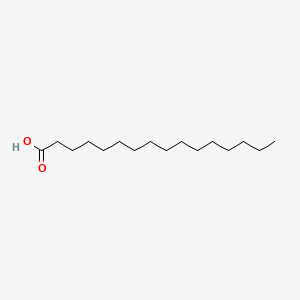
Chemical structure of PALMITIC ACID

PALMITIC ACID

CAS Number: 57-10-3

Also Known As:

Category: emollient

EC Number: 200-312-9

Korean Name: 팔미틱애씨드

Hexadecanoic acid

PALMITIC ACID is an emollient ingredient used in skincare formulations.

fatty acidemulsion stabilizerthickener

🌍 Regulatory Status

EU: No restriction on fileUS: No restriction on file

📊 Comedogenicity

No data yet
Not rated for this ingredient yet.

📚 Research & Evidence

PUBMED CITATIONS
5
Data sources: EU CosIng PubMed

🔬 The Science

Palmitic acid (PA) is a saturated fatty acid that plays a complex role in skin health—one that researchers are still working to fully understand. #1: In systemic inflammation, palmitic acid appears to trigger what scientists call “metainflammation” (a low-grade, chronic inflammatory state). According to *Journal of Advanced Research* (2025), when macrophages (immune cells) are exposed to high palmitic acid, they release tiny membrane-bound packages called exosomes that carry inflammatory signals. These exosomes can travel to other tissues—including liver, muscle, and fat—and activate inflammatory pathways, particularly the NF-κB signaling cascade, which amplifies the production of inflammatory molecules. This mechanism has been observed in blood samples from overweight and obese individuals.

#2: In the skin itself, palmitic acid appears to worsen atopic dermatitis (AD), a chronic itchy skin condition. Research in *Journal of Inflammation Research* (2025) found that when palmitic acid is introduced into the spinal nervous system during AD induction in mice, it causes acute scratching and aggravates skin lesions. This happens through activation of two specific receptors: TRPV1 (a pain and heat sensor on nerve endings) and MRGPRD (a receptor on immune cells). The same journal also reports (2026, *Inflammation Research*) that increased palmitic acid in skin promotes a cascade: it causes nerve cells to produce more substance P (a signaling molecule), which then triggers mast cells to release tryptase (an inflammatory enzyme), perpetuating the AD cycle.

#3: Palmitic acid’s effects on skin differ meaningfully from other fatty acids. *Nutrients* (2023) compared palmitic acid, linoleic acid (an omega-6 fat), and arachidonic acid in sebocytes (oil-producing skin cells). The study found that linoleic acid and palmitic acid triggered largely distinct gene expression patterns—linoleic acid specifically regulated cholesterol production, hormone signaling, and cell differentiation genes, while palmitic acid’s effects were different. This suggests these fatty acids have separate biological roles in skin. It’s important to note: the research showing palmitic acid’s inflammatory effects comes primarily from studies examining *high levels* or *dietary excess* of this fatty acid, and from controlled laboratory and animal studies.

Palmitic acid occurs naturally in skin lipids and many foods, so the relationship between topical skincare use and these systemic inflammatory mechanisms remains unclear from these sources alone.

💧 Skin Type Compatibility

100%
Sensitive
40%
Oily
100%
Dry
100%
Combination
40%
Acne-prone
100%
Normal

Derived from this ingredient’s irritancy potential and comedogenicity rating against the needs of each skin type — e.g. oily and acne-prone skin are marked down for pore-clogging ingredients, sensitive skin for irritants. A starting heuristic, not a dermatological verdict.

⚠️ Don’t Combine With

No data yet
No known incompatibilities on file for this ingredient.

🧴 Products Containing PALMITIC ACID

📄 Related Research

Matched by search — not necessarily verified support for every statement above.

Similar Ingredients

ACRYLATES/C10-30 ALKYL ACRYLATE CROSSPOLYMER
other
View
ARGANIA SPINOSA KERNEL OIL
emollient
View
BEHENIC ACID
BEHENIC ACID
emollient
View
CANNABIS SATIVA SEED OIL
emollient
View
CARBOMER
CARBOMER
other
View
CELLULOSE GUM
CELLULOSE GUM
other
View
CETYL ALCOHOL
CETYL ALCOHOL
emollient
View
CETYL PALMITATE
CETYL PALMITATE
emollient
View