Mia Seilern
PALMITOYL TETRAPEPTIDE-7
⚠️ Data is provided for informational purposes only. It may contain inaccuracies and should be independently verified. This is not medical advice. Consult a healthcare professional before making health decisions.

Description: PALMITOYL TETRAPEPTIDE-7 — peptide, anti-inflammatory, supports skin firmness.

All Functions: peptide, anti-inflammatory, supports skin firmness

Quick Facts:

  • Category: active

Proven Benefits At A Glance:

  • A peptide ingredient used in anti-aging eye creams and sensitive skin products
  • In a 12-week clinical trial, an eye cream containing this ingredient (plus others) improved skin hydration by 28%, elasticity by 19%, and collagen by 55%
  • Laboratory studies show it can stimulate collagen and elastin production in skin cells
  • Found in about 17% of facial cosmetics marketed for sensitive skin
  • Generally considered safe based on available clinical data
Safety: Generally Low ConcernResearch confidence: Good

Safety tier is a starting heuristic from regulatory status and comedogenic rating, not a dermatological verdict — see our Terms for the full disclaimer. Research confidence reflects how many real cited studies back this ingredient, not the strength of their findings.

Pregnancy safe

🧪 PALMITOYL TETRAPEPTIDE-7

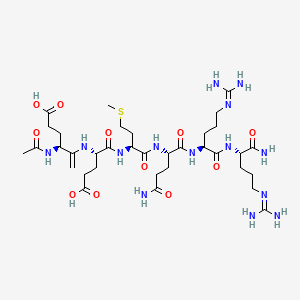
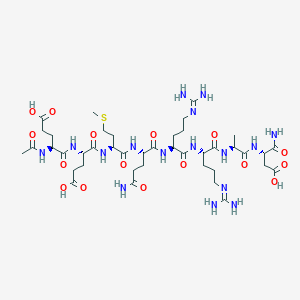
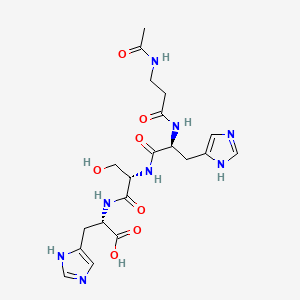
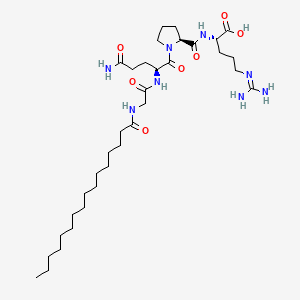
Chemical structure of PALMITOYL TETRAPEPTIDE-7

PALMITOYL TETRAPEPTIDE-7

CAS Number: 221227-05-0

Also Known As:

Category: active

EC Number:

Korean Name: 팔미토일테트라펩타이드-7

Palmitoyl Tetrapeptide-7 is the reaction product of palmitic acid and Tetrapeptide-7.

PALMITOYL TETRAPEPTIDE-7 is an active ingredient used in skincare formulations.

peptideanti-inflammatorysupports skin firmness

🌍 Regulatory Status

EU: No restriction on fileUS: No restriction on file

📊 Comedogenicity

No data yet
Not rated for this ingredient yet.

📚 Research & Evidence

PUBMED CITATIONS
4
Data sources: EU CosIng PubMed

🔬 The Science

Palmitoyl tetrapeptide-7 is a peptide—a short chain of amino acids—designed to interact with skin cells. Peptides are valued in skincare because they can work at low doses and may penetrate the outer layer of skin called the stratum corneum (Pharmaceuticals (Basel), 2021). In laboratory tests using human skin fibroblasts (the cells that produce structural proteins), the ingredient demonstrated #1: the ability to stimulate cell growth and #2: increased production of collagen and elastin, which are key proteins that give skin its firmness and structure (Skin Res Technol, 2024). Clinically, when tested as part of an anti-aging eye cream formula alongside other active ingredients (yeast/rice fermentation filtrate, N-acetylneuraminic acid, and palmitoyl tripeptide-1), the 12-week results showed measurable improvements in the delicate eye area: skin hydration increased 28.12%, elasticity improved 18.81%, and collagen density rose 54.99% (Skin Res Technol, 2024).

Participants and dermatologists noted visible improvements in fine lines, wrinkles, roughness, and skin moisture by week 8. A separate study using advanced imaging techniques (MALDI-MSI, confocal microscopy, and ultrasound) examined a blend containing palmitoyl tetrapeptide-7 alongside palmitoyl oligopeptide. The peptide combination showed #3: improvements in the extracellular matrix structure of the dermis (the layer beneath the epidermis) and #4: reduced thickness of the subepidermal low-echogenic band, suggesting better skin density (J Cosmet Dermatol, 2015). Importantly, the research on peptides in sensitive skin cosmetics notes that while palmitoyl tetrapeptide-7 appears in products marketed for sensitivity, most evidence comes from supplier data and patents rather than rigorous placebo-controlled clinical studies (Pharmaceuticals (Basel), 2021).

The ingredient has been explored in medical applications beyond cosmetics—for instance, in wound-healing hydrogels—but consumer skincare claims should be understood within the limited cosmetic evidence available.

💧 Skin Type Compatibility

100%
Sensitive
100%
Oily
100%
Dry
100%
Combination
100%
Acne-prone
100%
Normal

Derived from this ingredient’s irritancy potential and comedogenicity rating against the needs of each skin type — e.g. oily and acne-prone skin are marked down for pore-clogging ingredients, sensitive skin for irritants. A starting heuristic, not a dermatological verdict.

⚠️ Don’t Combine With

No data yet
No known incompatibilities on file for this ingredient.

🧴 Products Containing PALMITOYL TETRAPEPTIDE-7

📄 Related Research

Matched by search — not necessarily verified support for every statement above.

Similar Ingredients

ACETYL HEXAPEPTIDE-8
active
View
ACETYL OCTAPEPTIDE-3
active
View
ACETYL TETRAPEPTIDE-5
active
View
ALOE BARBADENSIS LEAF EXTRACT
active
View
AMMONIUM GLYCYRRHIZATE
active
View
ARNICA MONTANA EXTRACT
active
View
AVENA SATIVA KERNEL EXTRACT
active
View
AVENA SATIVA KERNEL FLOUR
active
View