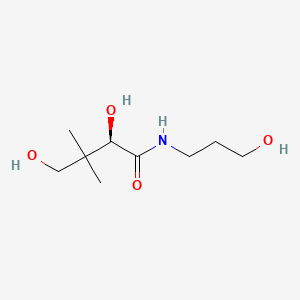
Panthenol
CAS 81-13-0 / 16485-10-2 · also known as Pro-Vitamin B5 · humectant · EC 201-327-3 / 240-540-6 · KR 판테놀
Butanamide, 2,4-dihydroxy-N-(3-hydroxypropyl)-3,3-dimethyl-, (2R)-; dl-Panthenol
Panthenol is a humectant ingredient used in skincare formulations.
Quick facts
Description: Panthenol — soothing, hydration.
All Functions: soothing, hydration
Quick Facts:
- Category: humectant
- Also Known As: Pro-Vitamin B5
- Comedogenic Rating: 0/5
Proven Benefits At A Glance:
- Panthenol is a skin-conditioning ingredient found in various skincare products
- Research shows panthenol-containing products may help soothe sensitive skin and reduce redness
- Studies indicate panthenol can help strengthen the skin barrier and retain moisture
- Panthenol citrate (a form of panthenol) demonstrates antioxidant properties in laboratory settings
- Panthenol appears well-tolerated with minimal adverse effects in clinical studies
Chemical Overview
Panthenol is an alcohol derivative of pantothenic acid, a component of the B complex vitamins and an essential component of a normally functioning epithelium. Panthenol exists as a racemic mixture containing both the dextrorotatory form (dexpanthenol) and the levorotatory form (levopanthenol). While pantothenic acid is optically active, only the dextrorotatory form ([DB09357]) is biologically active. Dexpanthenol, the active form of panthenol, is enzymatically cleaved to form pantothenic acid (Vitamin B5), which is an essential component of Coenzyme A that acts as a cofactor in many enzymatic reactions that are important for protein metabolism in the epithelium. Due to its good penetration and high local concentrations, dexpanthanol is used in many topical products, such as ointments and lotions for treatment of dermatological conditions to relieve itching or promote healing. Dermatological effects of the topical use of dexpanthenol include increased fibroblast proliferation and accelerated re-epithelialization in wound healing. Furthermore, it acts as a topical protectant, moisturizer, and has demonstrated anti-inflammatory properties. See also: Dexpanthenol (annotation moved to).
Comedogenicity
0/5
Similar Ingredients

📰 More News
-
The CCL20-CCR6 axis predominantly drives IL-17-mediated psoriasis while modestly contributing to papain-induced type 2 inflammation
PubMed · Jul 11, 2026
-
SkinCeuticals Just Reformulated Its C E Ferulic Serum
Allure · Jul 20, 2026
-
Are Sunscreen Oils Just Tanning Oils in Disguise? Experts Weigh In
Allure · Jul 20, 2026
-
Update to RIFM fragrance ingredient safety assessment, propenylguaethol, CAS Registry Number 94-86-0
PubMed · Jul 20, 2026
-
Earth Harbor Obscura Night Repair Concentrate Review
Allure · Jul 21, 2026
-
Okay, We’ll Bite: Fruity Perfumes Are Cool
Allure · Jul 21, 2026