Mia Seilern
PHYTOSPHINGOSINE
⚠️ Data is provided for informational purposes only. It may contain inaccuracies and should be independently verified. This is not medical advice. Consult a healthcare professional before making health decisions.

Description: PHYTOSPHINGOSINE — barrier repair lipid, mild antimicrobial.

All Functions: barrier repair lipid, mild antimicrobial

Quick Facts:

  • Category: emollient

Proven Benefits At A Glance:

  • Phytosphingosine (PHS) is a natural component of your skin’s barrier layer
  • Research suggests PHS may help calm skin inflammation through multiple biological pathways
  • PHS is involved in skin moisturization and can be used to create ceramides, which are key barrier-supporting lipids
  • Lab studies show PHS can reduce inflammatory markers and immune responses
  • The ingredient is produced industrially using microorganisms and yeast fermentation
Safety: Generally Low ConcernResearch confidence: Good

Safety tier is a starting heuristic from regulatory status and comedogenic rating, not a dermatological verdict — see our Terms for the full disclaimer. Research confidence reflects how many real cited studies back this ingredient, not the strength of their findings.

Pregnancy safe

🧪 PHYTOSPHINGOSINE

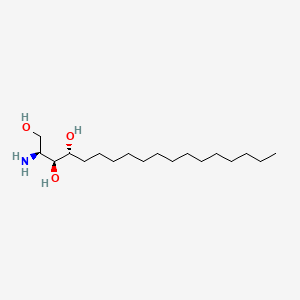
Chemical structure of PHYTOSPHINGOSINE

PHYTOSPHINGOSINE

CAS Number: 554-62-1

Also Known As:

Category: emollient

Korean Name: 피토스핑고신

1,3,4-Octadecanetriol, 2-amino-, (2S, 3S, 4R)-

PHYTOSPHINGOSINE is an emollient ingredient used in skincare formulations.

barrier repair lipidmild antimicrobial

🌍 Regulatory Status

EU: No restriction on fileUS: No restriction on file

📊 Comedogenicity

No data yet
Not rated for this ingredient yet.

📚 Research & Evidence

PUBMED CITATIONS
5
Data sources: EU CosIng PubMed

🔬 The Science

Phytosphingosine is a sphingolipid—a type of fat molecule—that naturally exists as a major component of your skin barrier, specifically in the stratum corneum (the outermost layer of dead skin cells that protect you) (Cell Mol Biol, 2024; J Lipid Res, 2023). Here’s what the research shows:

#1: Anti-inflammatory effects. When skin cells were exposed to inflammatory triggers in lab studies, PHS suppressed the production of inflammatory molecules like nitric oxide and prostaglandin E2, and reduced pro-inflammatory cytokines (immune signaling proteins) including IL-6 and IL-8. The mechanism appears to work by blocking two major inflammatory pathways: NF-κB and MAPK signaling (Cell Mol Biol, 2024).

One study even found that PHS reduced immune T-cell proliferation and inflammatory responses in a disease model (Exp Hematol, 2023). #2: Barrier support. PHS is a precursor to ceramides—essential lipids that make up your skin’s protective barrier. The ratio of different ceramide types is altered in inflammatory skin conditions like atopic dermatitis and psoriasis, and maintaining proper ceramide balance (which involves phytosphingosine-based ceramides) appears important for barrier function and preventing excess water loss from skin (J Lipid Res, 2023). #3: Moisturization and skin regulation. Beyond inflammation, PHS is described as preventing moisture loss from skin and regulating how skin cells grow, differentiate, and die in a controlled way (Exp Hematol, 2023).

Important caveat: Most of this research was conducted in laboratory cell cultures or animal models, not on human skin. The sources describe PHS as “multifunctional” with “potential” benefits, but human clinical trial data is not included in these abstracts. Phytosphingosine is produced industrially using fermented yeast and microorganisms (Sheng Wu Gong Cheng Xue Bao, 2023; 3 Biotech, 2025).

💧 Skin Type Compatibility

100%
Sensitive
100%
Oily
100%
Dry
100%
Combination
100%
Acne-prone
100%
Normal

Derived from this ingredient’s irritancy potential and comedogenicity rating against the needs of each skin type — e.g. oily and acne-prone skin are marked down for pore-clogging ingredients, sensitive skin for irritants. A starting heuristic, not a dermatological verdict.

⚠️ Don’t Combine With

No data yet
No known incompatibilities on file for this ingredient.

🧴 Products Containing PHYTOSPHINGOSINE

📄 Related Research

Matched by search — not necessarily verified support for every statement above.

Similar Ingredients

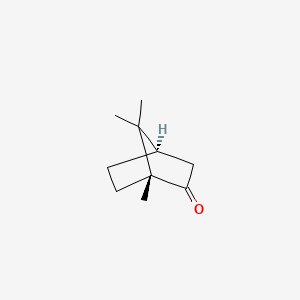
CAMPHOR
CAMPHOR
active
View
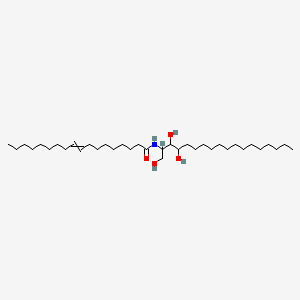
CERAMIDE AP
CERAMIDE AP
emollient
View
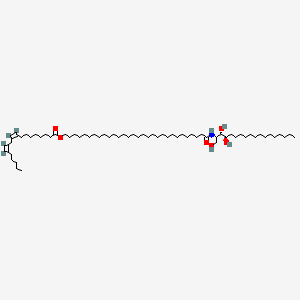
CERAMIDE EOP
CERAMIDE EOP
emollient
View
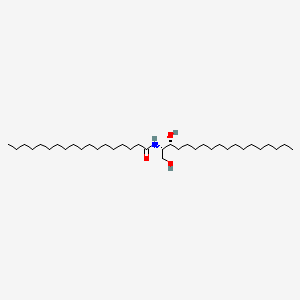
CERAMIDE NG
CERAMIDE NG
emollient
View
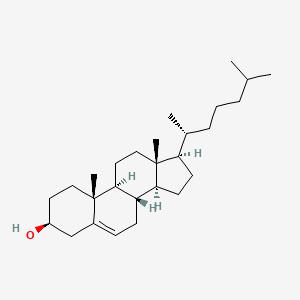
CHOLESTEROL
CHOLESTEROL
emollient
View
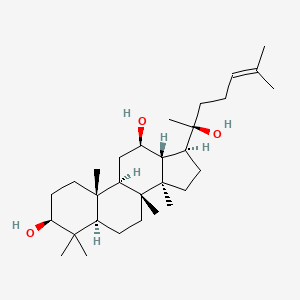
(20S)-PROTOPANAXADIOL
emollient
View
(ANGELICA ACUTILOBA/PAEONIA LACTIFLORA) ROOT/CNIDIUM OFFICINALE RHIZOME EXTRACT
emollient
View
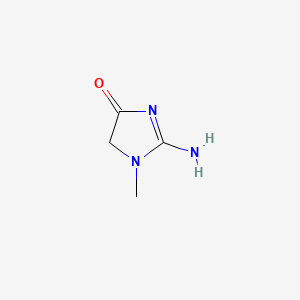
1-METHYLHYDANTOIN-2-IMIDE
emollient
View