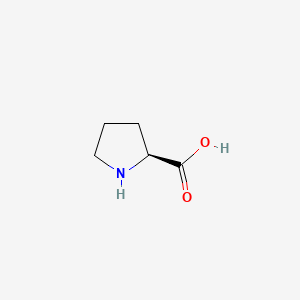
PROLINE
CAS 147-85-3 (L-) / 609-36-9 (dl-alpha) · humectant · EC 205-702-2 / 210-189-3 · KR 프롤린
2-Pyrrolidinecarboxylic acid, (S)-
PROLINE is a humectant ingredient used in skincare formulations.
Quick facts
Description: PROLINE — amino acid, part of the skin natural moisturizing factor (NMF), supports collagen structure.
All Functions: amino acid, part of the skin natural moisturizing factor (NMF), supports collagen structure
Quick Facts:
- Category: humectant
Proven Benefits At A Glance:
- Proline is one of three amino acids that make up more than half of collagen, the most abundant protein in your body
- Collagen gives structure and strength to skin, bones, cartilage, and blood vessels
- Your body can make proline from other amino acids, but research suggests that supply may not always be enough
- When cells are making collagen, they rely heavily on converting another amino acid (glutamine) into proline rather than using proline directly from food
Chemical Overview
L-proline is pyrrolidine in which the pro-S hydrogen at position 2 is substituted by a carboxylic acid group. L-Proline is the only one of the twenty DNA-encoded amino acids which has a secondary amino group alpha to the carboxyl group. It is an essential component of collagen and is important for proper functioning of joints and tendons. It also helps maintain and strengthen heart muscles. It has a role as a member of compatible osmolytes, a micronutrient, a nutraceutical, a mouse metabolite, a Saccharomyces cerevisiae metabolite, an Escherichia coli metabolite and an algal metabolite. It is a L-alpha-amino acid, a glutamine family amino acid, a proline and a proteinogenic amino acid. It is a conjugate base of a L-prolinium. It is a conjugate acid of a L-prolinate. It is an enantiomer of a D-proline. It is a tautomer of a L-proline zwitterion. Proline is one of the twenty amino acids used in living organisms as the building blocks of proteins. Proline is sometimes called an imino acid, although the IUPAC definition of an imine requires a carbon-nitrogen double bond. Proline is a non-essential amino acid that is synthesized from glutamic acid. It is an essential component of collagen and is important for proper functioning of joints and tendons. L-Proline is a metabolite found in or produced by Escherichia coli (strain K12, MG1655).
Source(s): DrugBank, E. coli Metabolome Database (ECMDB), ChEBI, via PubChem
Comedogenicity
Similar Ingredients
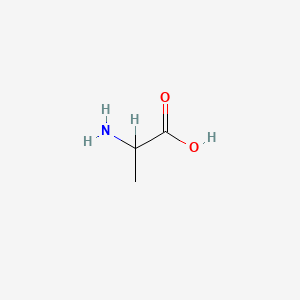
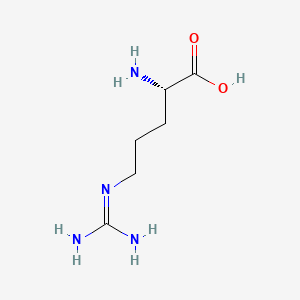
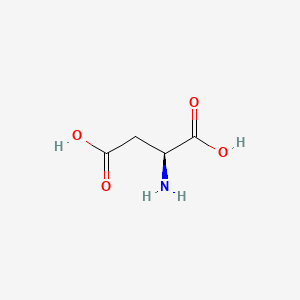
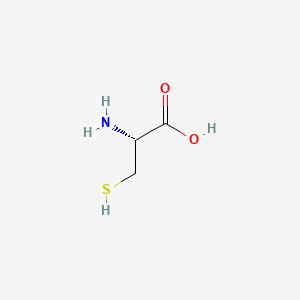
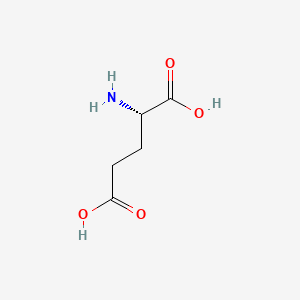
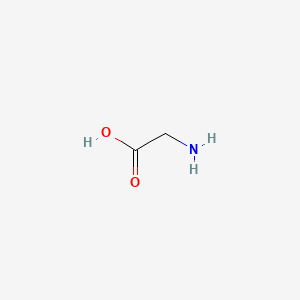
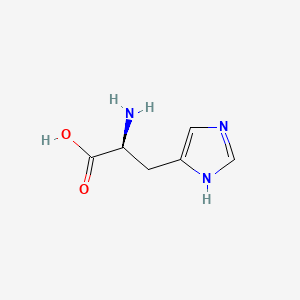
📰 More News
-
The CCL20-CCR6 axis predominantly drives IL-17-mediated psoriasis while modestly contributing to papain-induced type 2 inflammation
PubMed · Jul 11, 2026
-
SkinCeuticals Just Reformulated Its C E Ferulic Serum
Allure · Jul 20, 2026
-
Are Sunscreen Oils Just Tanning Oils in Disguise? Experts Weigh In
Allure · Jul 20, 2026
-
Update to RIFM fragrance ingredient safety assessment, propenylguaethol, CAS Registry Number 94-86-0
PubMed · Jul 20, 2026
-
Earth Harbor Obscura Night Repair Concentrate Review
Allure · Jul 21, 2026
-
Okay, We’ll Bite: Fruity Perfumes Are Cool
Allure · Jul 21, 2026