Mia Seilern
Retinol
⚠️ Data is provided for informational purposes only. It may contain inaccuracies and should be independently verified. This is not medical advice. Consult a healthcare professional before making health decisions.

Description: Retinol — anti-aging, cell turnover.

All Functions: anti-aging, cell turnover

Quick Facts:

  • Category: active
  • Also Known As: Vitamin A
  • Comedogenic Rating: 0/5
  • Regulatory Note: Restricted in the EU

Proven Benefits At A Glance:

  • Retinol is a form of vitamin A that works on aging skin at the cellular level
  • Research shows retinol can reduce fine lines, wrinkles, and uneven skin tone
  • Retinol increases collagen production and thickens both the outer and deeper layers of skin
  • Over-the-counter retinol is less potent than prescription retinoids but better tolerated by most people
  • Common side effects include skin scaling and stinging, especially when starting treatment
Safety: CautionResearch confidence: Good

Safety tier is a starting heuristic from regulatory status and comedogenic rating, not a dermatological verdict — see our Terms for the full disclaimer. Research confidence reflects how many real cited studies back this ingredient, not the strength of their findings.

🧪 Retinol

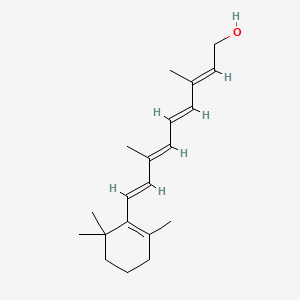
Chemical structure of Retinol

Retinol

CAS Number: 68-26-8 / 11103-57-4

Also Known As: Vitamin A

Category: active

EC Number: 200-683-7 / 234-328-2

Korean Name: 레티놀

Retinol; vitamin A

Retinol is an active ingredient used in skincare formulations.

anti-agingcell turnover

🌍 Regulatory Status

EU: RestrictedUS: No restriction on file

EU max concentration: (a) 0,05 % Retinol Equivalent (RE) (b) 0,3 % RE

EU conditions: For any cosmetic product containing Retinol, Retinyl Acetate or Retinyl Palmitate the following, labelling is obligatory: ‘Contains Vitamin A. Consider your daily intake before use’.

📊 Comedogenicity

⬜⬜⬜⬜⬜

0/5

📚 Research & Evidence

PUBMED CITATIONS
5
Data sources: EU CosIng PubMed

🔬 The Science

Retinol is a naturally occurring form of vitamin A that your skin can convert into retinoic acid, the active form that drives anti-aging effects. Here’s what the research shows:

#1: Retinol reduces fine lines and wrinkles. In a 24-week study of elderly subjects (average age 87), topical retinol significantly improved fine wrinkling scores compared to untreated skin (Archives of Dermatology, 2007). A separate 12-week study confirmed that retinol application resulted in significant reduction in facial wrinkles (Journal of Cosmetic Dermatology, 2016). Another 12-week comparison found that retinol significantly decreased wrinkle surface area (British Journal of Dermatology, 2019). #2: Retinol improves skin tone and reduces dark spots.

Studies document that retinol significantly decreases hyperpigmentation—uneven darker patches on the skin (British Journal of Dermatology, 2019; Journal of Drugs in Dermatology, 2022). #3: Retinol builds skin structure from the inside. The mechanism behind these improvements involves increased collagen production. After retinol treatment, skin biopsies showed significantly increased procollagen I (the building block of collagen) and glycosaminoglycan, a molecule that holds water in skin (Archives of Dermatology, 2007). A 4-week study found retinol upregulated genes for collagen type 1 and type 3, with corresponding increases in actual collagen proteins (Journal of Cosmetic Dermatology, 2016). This increased collagen production thickens both the epidermis (outer layer) and dermis (deeper layer) of aged skin (Biomolecules, 2023).

#4: Over-the-counter retinol is a practical option. While prescription retinoids are more potent, properly formulated cosmetic retinol offers “an easily accessible, reasonably priced therapeutic option” with good efficacy and tolerability (Journal of Drugs in Dermatology, 2022). Research confirms retinol is well-tolerated with long-term use. #5: Side effects are typically mild but real. The main reported side effects are facial skin scaling and stinging—and notably, retinol users experienced more of these than users of an alternative ingredient (British Journal of Dermatology, 2019). One important caveat: the sources focus on retinol’s proven benefits but provide limited direct comparisons. While prescription retinoic acid may theoretically provide greater effects, the magnitude of difference appears smaller than marketing might suggest, and retinol induces “similar changes in skin histology, and gene and protein expression” (Journal of Cosmetic Dermatology, 2016).

💧 Skin Type Compatibility

100%
Sensitive
100%
Oily
100%
Dry
100%
Combination
100%
Acne-prone
100%
Normal

Derived from this ingredient’s irritancy potential and comedogenicity rating against the needs of each skin type — e.g. oily and acne-prone skin are marked down for pore-clogging ingredients, sensitive skin for irritants. A starting heuristic, not a dermatological verdict.

⚠️ Don’t Combine With

  • Ascorbic Acid (caution): Can cause irritation if layered; use at different times of day (e.g. Vitamin C AM, Retinol PM).
  • Benzoyl Peroxide (caution): Benzoyl peroxide oxidatively degrades retinoids when co-applied. The retinoid + BPO + light combination drove >50% degradation of tretinoin in ~2 h and ~95% in 24 h; retinol shares the oxidation-prone polyene structure and is converted along the same retinoic-acid pathway, so BPO blunts its efficacy. Apply at separate times of day (retinoid PM, BPO AM) or alternating days. Adapalene is the BPO-stable retinoid for same-routine combination.
  • Glycolic Acid (caution): Combining exfoliating acids with retinoids increases risk of irritation and barrier damage. Alternate nights or patch test.

🧴 Products Containing Retinol

📄 Related Research

Matched by search — not necessarily verified support for every statement above.

📰 Recent News

Similar Ingredients

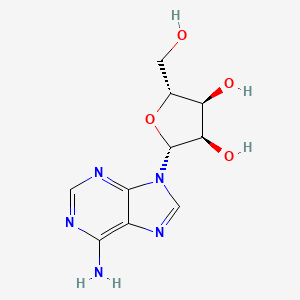
ADENOSINE
ADENOSINE
active
View
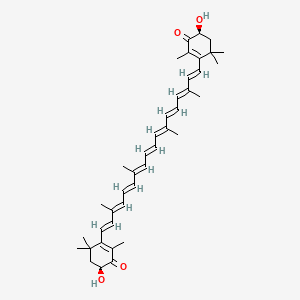
ASTAXANTHIN
ASTAXANTHIN
active
View
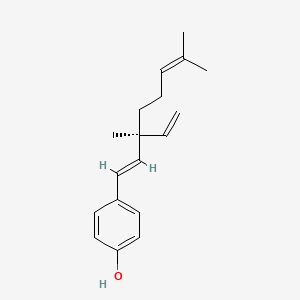
Bakuchiol
Bakuchiol
active
View
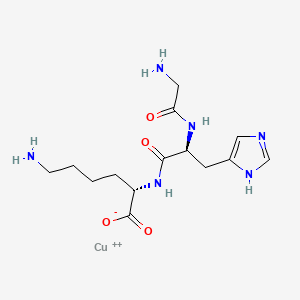
COPPER TRIPEPTIDE-1
COPPER TRIPEPTIDE-1
active
View
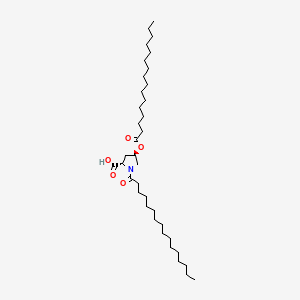
DIPALMITOYL HYDROXYPROLINE
active
View
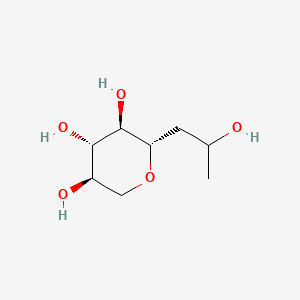
HYDROXYPROPYL TETRAHYDROPYRANTRIOL
active
View
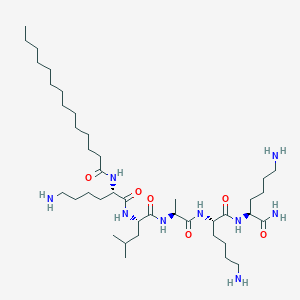
MYRISTOYL PENTAPEPTIDE-17
active
View
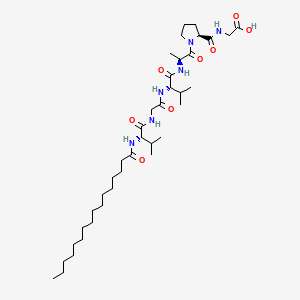
PALMITOYL HEXAPEPTIDE-12
active
View