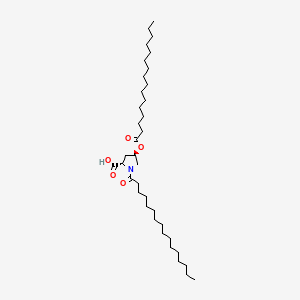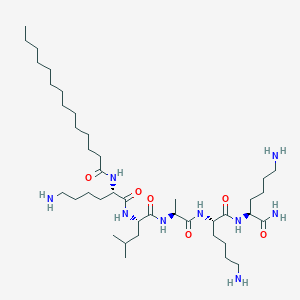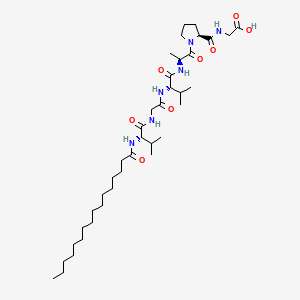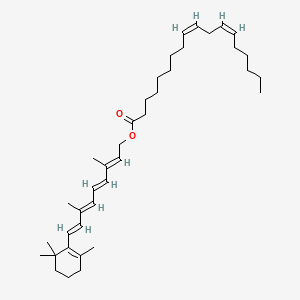
Description: RETINYL LINOLEATE — mild vitamin A derivative, anti-aging.
All Functions: mild vitamin A derivative, anti-aging
Quick Facts:
- Category: active
Proven Benefits At A Glance:
- Retinyl linoleate is a form of stored vitamin A found in body tissues like the liver and lacrimal glands (tear-producing glands)
- It’s created when retinol (vitamin A) binds to linoleic acid, a fatty acid
- Dietary fat intake affects how much retinyl linoleate your body stores
- High protein intake may lower retinyl linoleate levels in the liver
- The amount and type of fat you eat influences which retinyl esters your body produces after consuming vitamin A
Safety tier is a starting heuristic from regulatory status and comedogenic rating, not a dermatological verdict — see our Terms for the full disclaimer. Research confidence reflects how many real cited studies back this ingredient, not the strength of their findings.
🧪 RETINYL LINOLEATE
RETINYL LINOLEATE
CAS Number: 631-89-0
Also Known As: —
Category: active
EC Number: 426-960-4
Korean Name: 레티닐리놀리에이트
Retinol, 9,12-octadecadienoate, (Z,Z)-
RETINYL LINOLEATE is an active ingredient used in skincare formulations.
🌍 Regulatory Status
📊 Comedogenicity
📚 Research & Evidence
🔬 The Science
Retinyl linoleate is one of several “retinyl esters”—forms of vitamin A where retinol (the active type of vitamin A) is chemically joined to a fatty acid. Your body stores vitamin A this way in tissues that need it. #1: Storage and tissue presence. Retinyl linoleate has been identified in lacrimal glands (the glands that produce tears) and liver tissue in animal studies, alongside other retinyl esters like retinyl palmitate and retinyl stearate (Curr Eye Res, 1988; Invest Ophthalmol Vis Sci, 1990). This suggests your body deliberately creates and stores this form of vitamin A in specific locations. #2: Dietary fat influences formation.
When people consumed high-dose vitamin A with sunflower oil (which is high in linoleic acid), retinyl linoleate appeared in chylomicrons—the particles that transport dietary fats and fat-soluble vitamins through the blood after eating (Metabolism, 2003). In animal studies, high-fat diets increased hepatic (liver) retinyl linoleate concentrations 2- to 3.6-fold (Int J Vitam Nutr Res, 2005). This shows your body preferentially creates retinyl linoleate when linoleic acid is abundant. #3: Protein intake may reduce it. High-protein diets lowered hepatic retinyl linoleate by 1.8-fold in animal models (Int J Vitam Nutr Res, 2005), suggesting that excessive protein might compete with or interfere with retinyl linoleate storage, though the mechanism isn’t explained in these sources.
#4: Bioavailability varies by food source. When vitamin A (as beta-carotene) came from black soldier fly larvae versus sweet potatoes, retinyl linoleate and retinyl oleate concentrations were significantly lower in the liver, roughly halving the total vitamin A storage benefit (Food Res Int, 2023). This indicates the food matrix—not just the vitamin A itself—affects which esters your body creates and stores. Importantly, these sources describe retinyl linoleate as a storage form rather than an active ingredient with direct skincare benefits. No claims about topical application, skin health improvements, or cosmetic effects are supported by these research abstracts.
💧 Skin Type Compatibility
⚠️ Don’t Combine With
🧴 Products Containing RETINYL LINOLEATE
📄 Related Research
Matched by search — not necessarily verified support for every statement above.
- Sundaresan PR et al. (2005). Effects of dietary taurocholate, fat and protein on the storage and metabolism of dietary beta-carotene and alpha-tocopherol in ferrets. Int J Vitam Nutr Res.
- Ubels JL et al. (1988). Vitamin A is stored as fatty acyl esters of retinol in the lacrimal gland. Curr Eye Res.
- Morand-Laffargue L et al. (2023). Bioaccumulated provitamin A in black soldier fly larvae is bioavailable and capable of improving vitamin A status of gerbils. Food Res Int.
- Ubels JL et al. (1990). Esterification of retinol in lacrimal gland. Evidence for acyl-CoA:retinol acyltransferase activity. Invest Ophthalmol Vis Sci.
- Sauvant P et al. (2003). Amounts and types of fatty acids in meals affect the pattern of retinoids secreted in human chylomicrons after a high-dose preformed vitamin A intake. Metabolism.
Similar Ingredients
📰 More News
-
The CCL20-CCR6 axis predominantly drives IL-17-mediated psoriasis while modestly contributing to papain-induced type 2 inflammation
PubMed · 23 days ago
-
SkinCeuticals Just Reformulated Its C E Ferulic Serum
Allure · 14 days ago
-
Are Sunscreen Oils Just Tanning Oils in Disguise? Experts Weigh In
Allure · 14 days ago
-
Update to RIFM fragrance ingredient safety assessment, propenylguaethol, CAS Registry Number 94-86-0
PubMed · 14 days ago
-
Earth Harbor Obscura Night Repair Concentrate Review
Allure · 13 days ago
-
Okay, We’ll Bite: Fruity Perfumes Are Cool
Allure · 13 days ago