Mia Seilern
SERINE
⚠️ Data is provided for informational purposes only. It may contain inaccuracies and should be independently verified. This is not medical advice. Consult a healthcare professional before making health decisions.

Description: SERINE — amino acid, part of the skin natural moisturizing factor (NMF).

All Functions: amino acid, part of the skin natural moisturizing factor (NMF)

Quick Facts:

  • Category: humectant

Proven Benefits At A Glance:

  • Serine is a non-essential amino acid that your body can make, but dietary intake matters when demand is high
  • Research links serine to wound healing speed and hair growth timing
  • Serine-related proteins called proteases may play a role in abnormal scar formation
  • Serine metabolism affects skin barrier function and may influence inflammatory skin conditions
  • Most evidence is from laboratory and animal studies; human skin data is limited
Safety: Generally Low ConcernResearch confidence: Good

Safety tier is a starting heuristic from regulatory status and comedogenic rating, not a dermatological verdict — see our Terms for the full disclaimer. Research confidence reflects how many real cited studies back this ingredient, not the strength of their findings.

🧪 SERINE

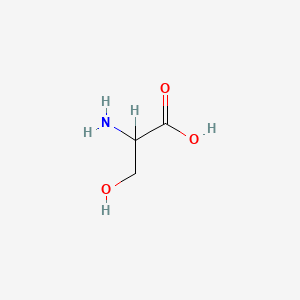
Chemical structure of SERINE

SERINE

CAS Number: 302-84-1 / 56-45-1

Also Known As:

Category: humectant

EC Number: 206-130-6 / 200-274-3

Korean Name: 세린

2-Amino-3-hydroxypropanoic acid

SERINE is a humectant ingredient used in skincare formulations.

amino acidpart of the skin natural moisturizing factor (NMF)

🌍 Regulatory Status

EU: No restriction on fileUS: No restriction on file

📊 Comedogenicity

No data yet
Not rated for this ingredient yet.

📚 Research & Evidence

PUBMED CITATIONS
5
Data sources: EU CosIng PubMed

🔬 The Science

Serine is an amino acid—a building block your body uses to make proteins and other molecules. While your body can synthesize serine on its own (making it “non-essential”), recent research suggests that when demand is high or dietary intake is low, this balance matters for skin health. #1: **Wound Healing and Barrier Recovery** — When serine levels drop, hair follicle stem cells (the cells that regenerate hair) struggle to meet their energy demands, which slows hair growth but actually speeds up skin barrier repair (Cell Metab, 2025). The mechanism involves cells triggering a “stress response” that acts like a dial: as stress increases, the skin prioritizes barrier restoration over hair regeneration.

Conversely, studies in mice show that increasing systemic serine levels accelerates wound healing (bioRxiv, 2025), suggesting that serine availability influences how quickly skin repairs itself. #2: **Abnormal Scar Formation** — Serine proteases—enzymes that cut proteins and happen to contain serine residues—appear involved in hypertrophic (thick, raised) scarring. Specifically, two serine proteases called DPP4 and PLAU show altered activity in scar tissue compared to normal skin (Nat Commun, 2021). Blocking these proteases with inhibitors reduced scarring in mice, suggesting they contribute to excessive collagen deposition during wound healing. However, this research addresses serine protease *inhibition* rather than serine supplementation directly. #3: **Skin Barrier and Inflammation** — Serine protease inhibitors (proteins that naturally regulate these enzymes) are concentrated in skin and help maintain the epidermal barrier—the outermost layer that keeps pathogens out and moisture in (Front Immunol, 2024).

Imbalances in these regulatory proteins are associated with psoriasis and other inflammatory skin disorders, though the exact role of dietary serine in this process remains unclear from these sources. #4: **Metabolic Connections** — Serine metabolism is linked to broader metabolic health. In people with type 2 diabetes-like conditions in mice, abnormal serine breakdown accumulates toxic byproducts in skin and impairs wound healing (bioRxiv, 2025). Modulating serine levels through diet influenced these outcomes in animal models, but human evidence is not presented in these sources. **Important limitations:** Most data comes from cell cultures, mice, or analysis of scar tissue rather than controlled human trials.

The sources discuss serine’s role in cellular processes but don’t establish optimal intake levels for consumers or prove that topical or dietary serine supplementation would improve skin health in healthy people.

💧 Skin Type Compatibility

No data yet
Per-skin-type data isn’t curated for this ingredient yet.

⚠️ Don’t Combine With

No data yet
No known incompatibilities on file for this ingredient.

🧴 Products Containing SERINE

📄 Related Research

Matched by search — not necessarily verified support for every statement above.

Similar Ingredients

ALANINE
ALANINE
humectant
View
ARGININE
ARGININE
humectant
View
ASPARTIC ACID
ASPARTIC ACID
humectant
View
CYSTEINE
CYSTEINE
humectant
View
GLUTAMIC ACID
GLUTAMIC ACID
humectant
View
GLYCINE
GLYCINE
humectant
View
HISTIDINE
HISTIDINE
humectant
View
ISOLEUCINE
ISOLEUCINE
humectant
View