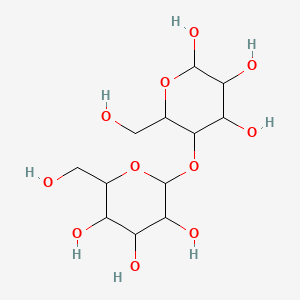
Description: STARCH — fragrance.
All Functions: fragrance
Quick Facts:
- Category: fragrance
Proven Benefits At A Glance:
- Starch is a natural carbohydrate found in plants, used as storage for energy
- Aluminum Starch Octenylsuccinate (a starch derivative) is confirmed safe for cosmetic use at concentrations described in industry practice
- Starch-based materials are biocompatible, biodegradable, and low in toxicity
- Starch is being studied for advanced cosmetic and skincare applications including hydrogels
- Starch is valued for being a renewable, low-cost, natural alternative to synthetic polymers
Safety tier is a starting heuristic from regulatory status and comedogenic rating, not a dermatological verdict — see our Terms for the full disclaimer. Research confidence reflects how many real cited studies back this ingredient, not the strength of their findings.
🧪 STARCH
STARCH
CAS Number: 9005-25-8
Also Known As: —
Category: fragrance
STARCH is a fragrance ingredient used in skincare formulations.
🌍 Regulatory Status
📊 Comedogenicity
📚 Research & Evidence
🔬 The Science
Starch is a carbohydrate polymer that plants naturally produce to store energy in leaves, tubers, seeds, and roots (Adv Biochem Eng Biotechnol, 2020). In skincare formulations, starch derivatives like Aluminum Starch Octenylsuccinate have been evaluated for safety; the Expert Panel for Cosmetic Ingredient Safety confirmed this ingredient is safe as used in cosmetics based on current research and typical product concentrations (Int J Toxicol, 2023). Starch has several properties making it attractive for skincare development: #1 biocompatibility and low toxicity, meaning it’s generally well-tolerated by the body and skin (Polymers (Basel), 2023); #2 biodegradability, so it breaks down naturally in the environment rather than persisting like some synthetic ingredients (Polymers (Basel), 2022); and #3 it’s derived from renewable plant sources, making it more sustainable than petroleum-based alternatives (Polymers (Basel), 2022).
Researchers are actively exploring starch in hydrogels—gel-like materials with complex structures—for cosmetic applications, studying how water and polymer chains move within these systems to better understand how they could function in skincare products (Carbohydr Polym, 2020). The sources indicate starch-based materials are being developed for multiple industries including cosmetics, though the specific skincare benefits are still under investigation rather than fully established.
💧 Skin Type Compatibility
⚠️ Don’t Combine With
🧴 Products Containing STARCH
- Eucerin UreaRepair PLUS 10%
- Eucerin pH5
- Nivea Men NIVEA Men Active Energy Hydraterende Dagcrème
- Nivea Nivea Intensive Moisture Body Milk 5-in-1 Complete Care (or Nivea Nourishing Body Milk)
- Nivea Nivea q10 plus anti rides
- Eucerin Sun Allergy Protect
- Nivea Lait corps sous la douche nourissant
- Nivea, Nivea Men NIVEA Men Hyaluron Anti-age Gezichtscrème
- Nivéa Nivea soft
- Nivea NIVEA CREME DARK SPOT REDUCTION
- BRYNILD GRUPPEN AS Nivea Sensitive Day Care 50ml
- nivea protector solar
- Nivea Sun Protect & Moisture, SPF15
- Nivea sun Crème Visage Solaire Anti-Rides UV Q10 FPS 50
- NIVEA kids sensitive protect
- Eucerin Oil control
- Nivea Naturally Good Avena Naturale Nutriente
- Nivea Men Sensitive pro
- Nivea sun NIVEA Sun Breathable Uv Specialist Luminous630 Anti-Spot SPF50+ Zonnefluïde
- Nivea Sun UV Face Shine Control SPF 50
📄 Related Research
Matched by search — not necessarily verified support for every statement above.
- Akinsulie A et al. (2023). Aluminum Starch Octenylsuccinate. Int J Toxicol.
- Hashim SO (2020). Starch-Modifying Enzymes. Adv Biochem Eng Biotechnol.
- Koev TT et al. (2020). Structural heterogeneities in starch hydrogels. Carbohydr Polym.
- Gamage A et al. (2022). Environmental Properties and Applications of Biodegradable Starch-Based Nanocomposites. Polymers (Basel).
- Lukova P et al. (2023). Application of Starch, Cellulose, and Their Derivatives in the Development of Microparticle Drug-Delivery Systems. Polymers (Basel).
Similar Ingredients
📰 More News
-
The CCL20-CCR6 axis predominantly drives IL-17-mediated psoriasis while modestly contributing to papain-induced type 2 inflammation
PubMed · 23 days ago
-
SkinCeuticals Just Reformulated Its C E Ferulic Serum
Allure · 14 days ago
-
Are Sunscreen Oils Just Tanning Oils in Disguise? Experts Weigh In
Allure · 14 days ago
-
Update to RIFM fragrance ingredient safety assessment, propenylguaethol, CAS Registry Number 94-86-0
PubMed · 14 days ago
-
Earth Harbor Obscura Night Repair Concentrate Review
Allure · 13 days ago
-
Okay, We’ll Bite: Fruity Perfumes Are Cool
Allure · 13 days ago