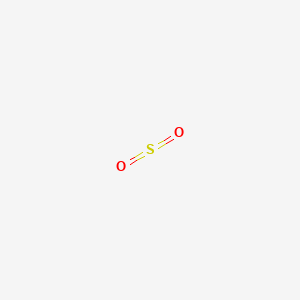
SULFUR DIOXIDE
CAS 7446-09-5 · also known as Sulfur dioxide · fragrance
SULFUR DIOXIDE. Formula: O2S. MW: 64.07. IUPAC: sulfur dioxide
SULFUR DIOXIDE is a fragrance ingredient used in skincare formulations.
Quick facts
Description: SULFUR DIOXIDE — fragrance.
All Functions: fragrance
Quick Facts:
- Category: fragrance
- Also Known As: Sulfur dioxide
Proven Benefits At A Glance:
- Sulfur dioxide (SO2) exists in two forms relevant to skin: environmental pollution and a naturally occurring signaling molecule made by skin cells
- Your skin actually produces SO2 internally, where it may help regulate inflammation and protect against damage
- Environmental SO2 exposure (like from volcanic emissions) is linked to respiratory symptoms like cough and sore throat, not primarily skin effects
- SO2 is being studied in experimental cancer treatments, not consumer skincare products
- Current scientific evidence on SO2 in skincare is limited
Chemical Overview
Sulfur dioxide is a colorless gas with a pungent odor. It is a liquid when under pressure, and it dissolves in water very easily. Sulfur dioxide in the air comes mainly from activities such as the burning of coal and oil at power plants or from copper smelting. In nature, sulfur dioxide can be released to the air from volcanic eruptions. Sulfur Dioxide can cause developmental toxicity according to an independent committee of scientific and health experts. Sulfur dioxide appears as a colorless gas with a choking or suffocating odor. Boiling point -10 °C. Heavier than air. Very toxic by inhalation and may irritate the eyes and mucous membranes. Under prolonged exposure to fire or heat the containers may rupture violently and rocket. Used to manufacture chemicals, in paper pulping, in metal and food processing. Rate of onset: Immediate & Delayed Persistence: Minutes to hours Odor threshold: 1 ppm Source/use/other hazard: Disinfectant and preserving in breweries and food/canning; textile industry; batteries.
Source(s): CAMEO Chemicals, Agency for Toxic Substances and Disease Registry (ATSDR), California Office of Environmental Health Hazard Assessment (OEHHA), via PubChem
Comedogenicity
Similar Ingredients
📰 More News
-
The CCL20-CCR6 axis predominantly drives IL-17-mediated psoriasis while modestly contributing to papain-induced type 2 inflammation
PubMed · Jul 11, 2026
-
SkinCeuticals Just Reformulated Its C E Ferulic Serum
Allure · Jul 20, 2026
-
Are Sunscreen Oils Just Tanning Oils in Disguise? Experts Weigh In
Allure · Jul 20, 2026
-
Update to RIFM fragrance ingredient safety assessment, propenylguaethol, CAS Registry Number 94-86-0
PubMed · Jul 20, 2026
-
Earth Harbor Obscura Night Repair Concentrate Review
Allure · Jul 21, 2026
-
Okay, We’ll Bite: Fruity Perfumes Are Cool
Allure · Jul 21, 2026