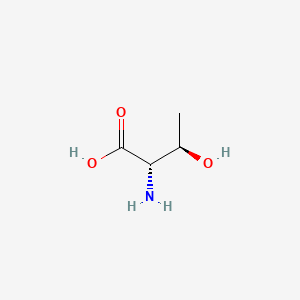
THREONINE
CAS 72-19-5 / 80-68-2 · humectant · EC 200-774-1 / 201-300-6 · KR 트레오닌
2-Amino-3-hydroxybutanoic acid
THREONINE is a humectant ingredient used in skincare formulations.
Quick facts
Description: THREONINE — amino acid, part of the skin natural moisturizing factor (NMF).
All Functions: amino acid, part of the skin natural moisturizing factor (NMF)
Quick Facts:
- Category: humectant
Proven Benefits At A Glance:
- L-threonine is an essential amino acid used in food, cosmetics, pharmaceuticals, and animal feed
- Your body cannot make threonine—it must come from diet or supplements
- Current research focuses on producing threonine efficiently through fermentation rather than chemical synthesis
- The available research does not establish specific skincare benefits of threonine as a topical ingredient
Chemical Overview
2-amino-3-hydroxybutanoic acid is an alpha-amino acid that is butanoic acid substituted by an amino group at position 2 and a hydroxy group at position 3. It has a role as a plant metabolite. 2-amino-3-hydroxybutanoic acid has been reported in Escherichia coli, Bulbophyllum echinolabium, and other organisms with data available. Threonine is an essential amino acid in humans. It is abundant in human plasma, particularly in newborns. Severe deficiency of threonine causes neurological dysfunction and lameness in experimental animals. Threonine is an immunostimulant which promotes the growth of thymus gland. It also can probably promote cell immune defense function. This amino acid has been useful in the treatment of genetic spasticity disorders and multiple sclerosis at a dose of 1 gram daily. It is highly concentrated in meat products, cottage cheese and wheat germ. The threonine content of most of the infant formulas currently on the market is approximately 20% higher than the threonine concentration in human milk. Due to this high threonine content the plasma threonine concentrations are up to twice as high in premature infants fed these formulas than in infants fed human milk. The whey proteins which are used for infant formulas are sweet whey proteins. Sweet whey results from cheese production. Threonine catabolism in mammals appears to be due primarily (70-80%) to the activity of threonine dehydrogenase (EC 1.1.1.103) that oxidizes threonine to 2-amino-3-oxobutyrate, which forms glycine and acetyl CoA, whereas threonine dehydratase (EC 4.2.1.16) that catabolizes threonine into 2-oxobutyrate and ammonia, is significantly less active. Increasing the threonine plasma concentrations leads to accumulation of threonine and glycine in the brain. Such accumulation affects the neurotransmitter balance which may have consequences for the brain development during early postnatal life. Thus, excessive threonine intake during infant feeding should be avoided. (A3450).
Source(s): LOTUS – the natural products occurrence database, ChEBI, Toxin and Toxin Target Database (T3DB), via PubChem
Comedogenicity
Similar Ingredients
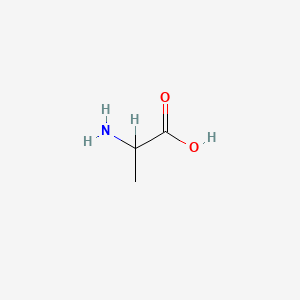
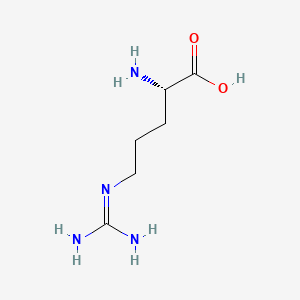
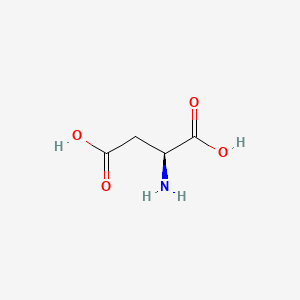
📰 More News
-
The CCL20-CCR6 axis predominantly drives IL-17-mediated psoriasis while modestly contributing to papain-induced type 2 inflammation
PubMed · Jul 11, 2026
-
SkinCeuticals Just Reformulated Its C E Ferulic Serum
Allure · Jul 20, 2026
-
Are Sunscreen Oils Just Tanning Oils in Disguise? Experts Weigh In
Allure · Jul 20, 2026
-
Update to RIFM fragrance ingredient safety assessment, propenylguaethol, CAS Registry Number 94-86-0
PubMed · Jul 20, 2026
-
Earth Harbor Obscura Night Repair Concentrate Review
Allure · Jul 21, 2026
-
Okay, We’ll Bite: Fruity Perfumes Are Cool
Allure · Jul 21, 2026