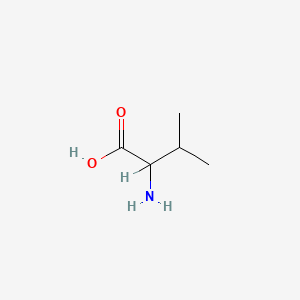
VALINE
CAS 516-06-3 / 640-68-6 / 72-18-4 · humectant · EC 208-220-0 / 211-368-9 / 200-773-6 · KR 발린
2-Amino-3-methylbutanoic acid
VALINE is a humectant ingredient used in skincare formulations.
Quick facts
Description: VALINE — amino acid, part of the skin natural moisturizing factor (NMF).
All Functions: amino acid, part of the skin natural moisturizing factor (NMF)
Quick Facts:
- Category: humectant
Proven Benefits At A Glance:
- Valine is an essential amino acid with applications in cosmetics, pharmaceuticals, and skincare
- A valine-containing peptide (KPV) showed protective effects against airborne pollution damage in skin cells
- Valine derivatives can improve how drugs penetrate and absorb through skin
- Research on valine in skincare is still emerging—sources are limited and focused on specific applications
Chemical Overview
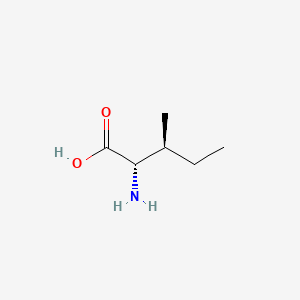
Valine is a branched-chain amino acid that consists of glycine in which one of the hydrogens attached to the alpha-carbon is substituted by an isopropyl group. It has a role as a plant metabolite and a Daphnia magna metabolite. It is a branched-chain amino acid and an alpha-amino acid. It contains an isopropyl group. It is a conjugate base of a valinium. It is a conjugate acid of a valinate. DL-valine has been reported in Juncus effusus, Lupinus angustifolius, and other organisms with data available. Valine (abbreviated as Val or V) is an -amino acid with the chemical formula HO2CCH(NH2)CH(CH3)2. It is named after the plant valerian. L-Valine is one of 20 proteinogenic amino acids. Its codons are GUU, GUC, GUA, and GUG. This essential amino acid is classified as nonpolar. Along with leucine and isoleucine, valine is a branched-chain amino acid. Branched chain amino acids (BCAA) are essential amino acids whose carbon structure is marked by a branch point. These three amino acids are critical to human life and are particularly involved in stress, energy and muscle metabolism. BCAA supplementation as therapy, both oral and intravenous, in human health and disease holds great promise. BCAA denotes valine, isoleucine and leucine which are branched chain essential amino acids. Despite their structural similarities, the branched amino acids have different metabolic routes, with valine going solely to carbohydrates, leucine solely to fats and isoleucine to both. The different metabolism accounts for different requirements for these essential amino acids in humans: 12 mg/kg, 14 mg/kg and 16 mg/kg of valine, leucine and isoleucine respectively. Furthermore, these amino acids have different deficiency symptoms. Valine deficiency is marked by neurological defects in the brain, while isoleucine deficiency is marked by muscle tremors. Many types of inborn errors of BCAA metabolism exist, and are marked by various abnormalities. The most common form is the maple syrup urine disease, marked by a characteristic urinary odor. Other abnormalities are associated with a wide range of symptoms, such as mental retardation, ataxia, hypoglycemia, spinal muscle atrophy, rash, vomiting and excessive muscle movement. Most forms of BCAA metabolism errors are corrected by dietary restriction of BCAA and at least one form is correctable by supplementation with 10 mg of biotin daily. BCAA are decreased in patients with liver disease, such as hepatitis, hepatic coma, cirrhosis, extrahepatic biliary atresia or portacaval shunt; aromatic amino acids (AAA) tyrosine, tryptophan and phenylalanine, as well as methionine are increased in these conditions. Valine in particular, has been established as a useful supplemental therapy to the ailing liver. All the BCAA probably compete with AAA for absorption into the brain. Supplemental BCAA with vitamin B6 and zinc help normalize the BCAA:AAA ratio. In sickle-cell disease, valine substitutes for the hydrophilic amino acid glutamic acid in hemoglobin. Because valine is hydrophobic, the hemoglobin does not fold correctly. Valine is an essential amino acid, hence it must be ingested, usually as a component of proteins.
Source(s): Toxin and Toxin Target Database (T3DB), ChEBI, LOTUS – the natural products occurrence database, via PubChem
Comedogenicity
Similar Ingredients
📰 More News
-
The CCL20-CCR6 axis predominantly drives IL-17-mediated psoriasis while modestly contributing to papain-induced type 2 inflammation
PubMed · Jul 11, 2026
-
SkinCeuticals Just Reformulated Its C E Ferulic Serum
Allure · Jul 20, 2026
-
Are Sunscreen Oils Just Tanning Oils in Disguise? Experts Weigh In
Allure · Jul 20, 2026
-
Update to RIFM fragrance ingredient safety assessment, propenylguaethol, CAS Registry Number 94-86-0
PubMed · Jul 20, 2026
-
Earth Harbor Obscura Night Repair Concentrate Review
Allure · Jul 21, 2026
-
Okay, We’ll Bite: Fruity Perfumes Are Cool
Allure · Jul 21, 2026