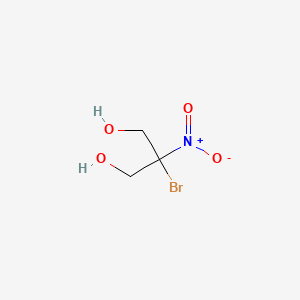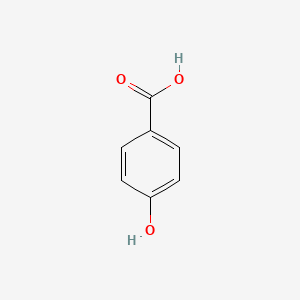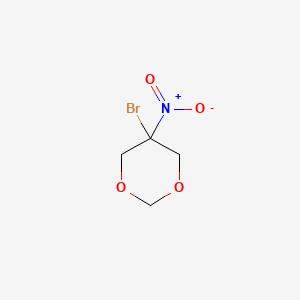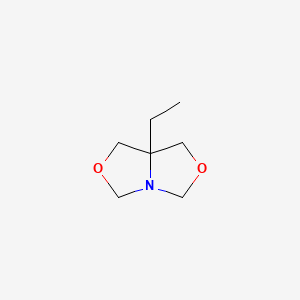
Description: CHLORHEXIDINE DIGLUCONATE — antiseptic, preservative.
All Functions: antiseptic, preservative
Quick Facts:
- Category: preservative
Proven Benefits At A Glance:
- Chlorhexidine digluconate is an antiseptic that kills bacteria and fungi directly
- Allergic reactions are uncommon: only 0.7% of tested patients showed an allergic response
- When allergic reactions do occur, they’re often clinically relevant and can affect hands, face, or spread across the body
- It’s particularly effective against Candida albicans, even in established biofilm
- Standard formulations have limited ability to penetrate deep skin layers where bacteria hide
Safety tier is a starting heuristic from regulatory status and comedogenic rating, not a dermatological verdict — see our Terms for the full disclaimer. Research confidence reflects how many real cited studies back this ingredient, not the strength of their findings.
🧪 CHLORHEXIDINE DIGLUCONATE
CHLORHEXIDINE DIGLUCONATE
CAS Number: 18472-51-0
Also Known As: —
Category: preservative
EC Number: 242-354-0
Korean Name: 클로헥시딘다이글루코네이트
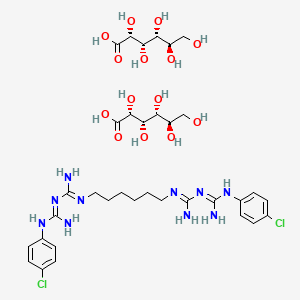
D-Gluconic acid, compound with N,N”-bis(4-chlorophenyl)-3,12-diimino-2,4,11,13-tetraazatetradecanediamidine (2:1)
CHLORHEXIDINE DIGLUCONATE is a preservative ingredient used in skincare formulations.
🌍 Regulatory Status
EU max concentration: 0.3% (as chlorhexidine)
📊 Comedogenicity
📚 Research & Evidence
🔬 The Science
Chlorhexidine digluconate (CHG) is a cationic bisbiguanide—essentially a positively charged antimicrobial molecule—that works as a broad-spectrum antiseptic (Eur J Pharm Biopharm, 2021). Here’s what the research shows:
#1: Direct antimicrobial action. Chlorhexidine digluconate has a direct killing effect on bacteria and fungi grown both as free-floating cells and within biofilms—structured communities of microorganisms that are typically harder to eliminate (PLoS One, 2020). In laboratory testing against common wound pathogens, formulations containing chlorhexidine digluconate achieved the required level of antimicrobial kill (a ≥3 log reduction, meaning at least a 1,000-fold decrease in viable cells) against Enterococcus hirae and Candida albicans within 10 minutes under moderate conditions, and within 24 hours even under worst-case scenarios with blood, protein, and mucin present to mimic real wound environments (GMS Hyg Infect Control, 2016).
#2: Effectiveness against resistant biofilms. In studies of recurrent vaginal candidiasis, fluconazole (a common antifungal drug) reduced free-floating Candida cells but had no effect on established biofilm. By contrast, chlorhexidine digluconate actively dispersed mature biofilm and killed the candida cells within it, while also preventing formation of new biofilm (PLoS One, 2020). This suggests chlorhexidine digluconate could be valuable where standard antifungals fail. #3: Allergy is uncommon but clinically relevant when it occurs. In a large retrospective study of nearly 15,000 patients patch tested to 1% chlorhexidine digluconate solution, only 107 patients (0.7%) showed an allergic contact dermatitis reaction (Dermatitis, 2023).
However, of those who reacted, 52.3% had clinically relevant reactions—meaning the allergy caused actual symptoms or problems. Most reactions were mild, though some were strong or very strong. The most common source was skin and health care products (38.3% of cases), and occupational exposure was rare except among health care workers. #4: Anatomic patterns of allergic reactions. When allergic contact dermatitis occurred, it most commonly affected the hands (26.4%), face (24.5%), or appeared as scattered/generalized patterns across the body (17.9%) (Dermatitis, 2023). Chlorhexidine-allergic patients were significantly more likely than non-allergic patients to develop dermatitis on the trunk (11.3% vs 5.1%).
#5: Penetration limitations in standard formulations. Despite its effectiveness and favorable safety profile, standard chlorhexidine digluconate formulations like Hibiscrub have poor dermal penetration—bacteria remain protected in deeper skin layers, furrows, and hair follicles that the antiseptic cannot easily reach (Eur J Pharm Biopharm, 2021). Emerging research suggests specialized delivery systems (such as dendrimer-enhanced gels) may improve this penetration in the future. #6: Chemical stability concerns. Chlorhexidine digluconate solutions can degrade when exposed to heat, light, or acidic conditions, producing multiple impurities (Pharm Res, 1993). This is relevant for product stability and shelf life but doesn’t directly impact consumer use of properly stored formulations.
💧 Skin Type Compatibility
⚠️ Don’t Combine With
🧴 Products Containing CHLORHEXIDINE DIGLUCONATE
- Curasept Curasept colluttorio
- L’OREAL NORGE AS Preferance 1 Napoli
- L’OREAL NORGE AS Preferance 4.15 Caracas
- L’OREAL NORGE AS Excellence 5.5 Lys Mahognibrun
- L’OREAL NORGE AS Excellence 6 MørkeBlond
- Mirato Breeze Classico 67
- L’OREAL NORGE AS Excellence 8.3 Lys Gyldenblond
- L’Oréal, L’Oreal Consumer products, L’Oréal Paris PRODIGY 6.0 LIN Blond foncé
- Les Cosmetiques Crema para contorno de ojos booster plan
- Les Cosmetiques Gel contorno de ojos aplicador frio booster plan
- Clorhexidina Lacer
- Mixa bébé Mixa Bébé Eau Nettoyante Hydratante
- Deliplus Sensitive cream
- L’Oréal, L’Oreal Consumer products, L’Oréal Paris, Colorista Colorista washout #bluehair
- l-oreal, Elsève Cica repair – Soins sans rinçage
- L’OREAL NORGE AS Elvital Balsam Dream Lenght 400ml
- Mixa Cica-crème
- Sunstar Gum gingidex
- It Cosmetics Confidence In A Cream Anti-Aging Moisturizer
- haar maske
📄 Related Research
Matched by search — not necessarily verified support for every statement above.
- Warshaw EM et al. (2023). Patch Testing to Chlorhexidine Digluconate, 1% Aqueous: North American Contact Dermatitis Group Experience, 2015-2020. Dermatitis.
- Kramer A et al. (2016). Antimicrobial efficacy of the combination of chlorhexidine digluconate and dexpanthenol. GMS Hyg Infect Control.
- Alvendal C et al. (2020). Anti-biofilm activity of chlorhexidine digluconate against Candida albicans vaginal isolates. PLoS One.
- Revelle LK et al. (1993). Identification and isolation of chlorhexidine digluconate impurities. Pharm Res.
- Kirkby M et al. (2021). Dendrimer-mediated permeation enhancement of chlorhexidine digluconate: Determination of in vitro skin permeability and visualisation of dermal distribution. Eur J Pharm Biopharm.
Similar Ingredients


📰 More News
-
The CCL20-CCR6 axis predominantly drives IL-17-mediated psoriasis while modestly contributing to papain-induced type 2 inflammation
PubMed · 23 days ago
-
SkinCeuticals Just Reformulated Its C E Ferulic Serum
Allure · 14 days ago
-
Are Sunscreen Oils Just Tanning Oils in Disguise? Experts Weigh In
Allure · 14 days ago
-
Update to RIFM fragrance ingredient safety assessment, propenylguaethol, CAS Registry Number 94-86-0
PubMed · 14 days ago
-
Earth Harbor Obscura Night Repair Concentrate Review
Allure · 13 days ago
-
Okay, We’ll Bite: Fruity Perfumes Are Cool
Allure · 13 days ago