Description: DEHYDROACETIC ACID — preservative.
All Functions: preservative
Quick Facts:
- Category: preservative
Proven Benefits At A Glance:
- Dehydroacetic acid is a preservative used in cosmetics, medicine, and food
- Expert safety panels have repeatedly affirmed its safety at current use levels (1985, 2003, 2023)
- It can interact with other preservatives in formulas, sometimes creating new compounds
- The ingredient can absorb through skin at concentrations currently allowed in products
- Research on its medicinal applications and derivatives has grown significantly in recent years
Safety tier is a starting heuristic from regulatory status and comedogenic rating, not a dermatological verdict — see our Terms for the full disclaimer. Research confidence reflects how many real cited studies back this ingredient, not the strength of their findings.
🧪 DEHYDROACETIC ACID
DEHYDROACETIC ACID
CAS Number: 520-45-6 / 771-03-9 / 16807-48-0
Also Known As: —
Category: preservative
EC Number: 208-293-9 / 212-227-4 / –
Korean Name: 데하이드로아세틱애씨드
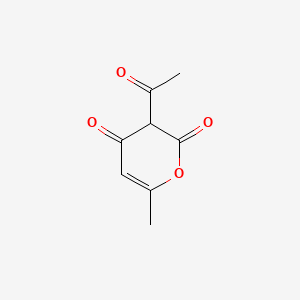
3-Acetyl-6-methyl-2H-pyran-2,4(3H)-dione
DEHYDROACETIC ACID is a preservative ingredient used in skincare formulations.
🌍 Regulatory Status
EU max concentration: 0.6% (as acid)
📊 Comedogenicity
📚 Research & Evidence
🔬 The Science
Dehydroacetic acid (DHA) is a preservative ingredient with a long safety history in cosmetics. #1: Expert panels reviewing its safety have consistently concluded that dehydroacetic acid and its sodium salt (sodium dehydroacetate) are safe as currently used, based on assessments conducted in 1985, re-reviewed in 2003, and reaffirmed in 2023 after examining updated usage data and new safety information (Int J Toxicol, 2024). Beyond cosmetics, #2: research on DHA and related compounds has expanded into medicinal chemistry, where derivatives show various biological activities and potential applications in drug development, though these medicinal uses are distinct from cosmetic applications (Arch Pharm (Weinheim), 2024).
One important consideration for formulators is that #3: dehydroacetic acid can react chemically with other preservatives commonly used in skincare products—for example, it has been shown to interact with formaldehyde (if present) to create a new compound, and it can also react with certain stabilizers like magnesium salts used in other preservative systems (Int J Cosmet Sci, 1988). Additionally, #4: research using simulated skin absorption studies found that dehydroacetic acid absorbs significantly through skin within the concentration limits permitted for cosmetics in Korea (up to 0.6%), with absorption rates ranging from about 91% to 101% depending on concentration, suggesting the body does absorb this preservative when applied topically (J Appl Toxicol, 2026).
One specialized concern noted in research is that #5: sodium dehydroacetate (the water-soluble form often used in cosmetics) can undergo photochemical reactions when exposed to sunlight or UV light, potentially undergoing isomerization reactions, though the practical significance of this in typical cosmetic use remains unclear (Chem Pharm Bull (Tokyo), 2018).
💧 Skin Type Compatibility
Derived from this ingredient’s irritancy potential and comedogenicity rating against the needs of each skin type — e.g. oily and acne-prone skin are marked down for pore-clogging ingredients, sensitive skin for irritants. A starting heuristic, not a dermatological verdict.
⚠️ Don’t Combine With
🧴 Products Containing DEHYDROACETIC ACID
- Cien VitalBeauty Dia
- Anti-Tage Spezialcreme
- sophora japonica day cream
- Natura Siberica Shamppoing cheveux colorés et abimés
- Hair System by Watsons Micellar Botanical Purifying Shampoo
- L’Oréal, L’Oreal Luxe, The Body Shop ALMOND MILK & HONEY For Sensitive, Dry Skin
- MyProtein Hair & body wash
- Bulldog Soin Hydratant Peau Sensible Baobab Avoine Epilobe
- MAN CAVE Lemon & Oak SHOWER GEL
- UpCircle Coffee Face Scrub Citrus Blend For Dry Skin
- Bulldog,Wilkinson Sword Bull Dog Hautpflege Original After Shave Balsam + Aloe Vera
- Apivita Shower gel with essential oils- refreshing fig
- Monte dos bens Creme para mãos
- BIO, Monsavon Monsavon BIO Déodorant Femme Bille Lait d’Amande 50ml
- Nacomï White Black Face Mask
- Hyderma Lait Hydratant
- Änglamark Änglamark Sun Lotion, SPF15
- Änglamark Sun Spray, SPF15
- Änglamark Water Resistant Sun Spray, SPF30
- By Veira Curl Shampoo
📄 Related Research
Matched by search — not necessarily verified support for every statement above.
- Cherian P et al. (2024). Sodium Dehydroacetate and Dehydroacetic Acid. Int J Toxicol.
- Grover A et al. (2024). Dehydroacetic acid a privileged medicinal scaffold: A concise review. Arch Pharm (Weinheim).
- Izawa T et al. (2018). Photoreactivities of the Antiseptics Dehydroacetic Acid and Sodium Dehydroacetate Used in Cosmetics. Chem Pharm Bull (Tokyo).
- Bennassi CA et al. (1988). Dehydroacetic acid sodium salt stability in cosmetic preservative mixtures. Int J Cosmet Sci.
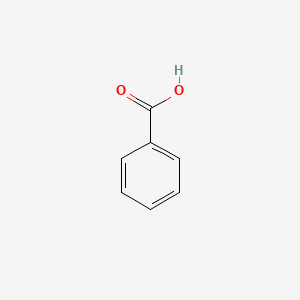
- Chung HN et al. (2026). In Vitro Percutaneous Absorption of Dehydroacetic Acid and Benzoic Acid From Pig Skin Using the Franz Diffusion Cell System. J Appl Toxicol.
Similar Ingredients


📰 More News
-
The CCL20-CCR6 axis predominantly drives IL-17-mediated psoriasis while modestly contributing to papain-induced type 2 inflammation
PubMed · 23 days ago
-
SkinCeuticals Just Reformulated Its C E Ferulic Serum
Allure · 14 days ago
-
Are Sunscreen Oils Just Tanning Oils in Disguise? Experts Weigh In
Allure · 14 days ago
-
Update to RIFM fragrance ingredient safety assessment, propenylguaethol, CAS Registry Number 94-86-0
PubMed · 14 days ago
-
Earth Harbor Obscura Night Repair Concentrate Review
Allure · 13 days ago
-
Okay, We’ll Bite: Fruity Perfumes Are Cool
Allure · 13 days ago