Mia Seilern
METHYLPARABEN
⚠️ Data is provided for informational purposes only. It may contain inaccuracies and should be independently verified. This is not medical advice. Consult a healthcare professional before making health decisions.

Description: METHYLPARABEN — preservative.

All Functions: preservative

Quick Facts:

  • Category: preservative

Proven Benefits At A Glance:

  • Methylparaben is a preservative used in over 22,000 cosmetics at concentrations up to 0.4% (single paraben) or 0.8% (in mixtures)
  • Your skin breaks down methylparaben into p-hydroxybenzoic acid; it does not accumulate in your body
  • Animal studies show methylparaben is not toxic, not cancer-causing, and does not cause birth defects
  • Methylparaben is rarely irritating or sensitizing to normal skin at cosmetic use levels
  • Skin sensory irritation from methylparaben is linked to how quickly your skin breaks it down
Safety: Generally Low ConcernResearch confidence: Good

Safety tier is a starting heuristic from regulatory status and comedogenic rating, not a dermatological verdict — see our Terms for the full disclaimer. Research confidence reflects how many real cited studies back this ingredient, not the strength of their findings.

Pregnancy safe

🤰 Pregnancy Safety Note

EU SCCS considers methylparaben safe at permitted concentrations. No demonstrated endocrine effects at cosmetic levels.

🧪 METHYLPARABEN

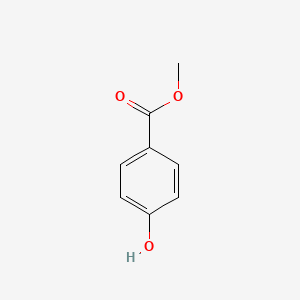
Chemical structure of METHYLPARABEN

METHYLPARABEN

CAS Number: 99-76-3

Also Known As:

Category: preservative

EC Number: 202-785-7

Korean Name: 메틸파라벤

Methyl 4-hydroxybenzoate

METHYLPARABEN is a preservative ingredient used in skincare formulations.

preservative

🌍 Regulatory Status

EU: No restriction on fileUS: No restriction on file

EU max concentration: 0,4% (as acid) for single ester 0,8% (as acid) for mixtures of esters

📊 Comedogenicity

No data yet
Not rated for this ingredient yet.

📚 Research & Evidence

PUBMED CITATIONS
5
Data sources: EU CosIng PubMed

🔬 The Science

Methylparaben belongs to a group of preservatives called parabens, which are esters of p-hydroxybenzoic acid (PHBA). These compounds prevent microbial growth in cosmetic products and are applied to skin at concentrations typically up to 0.4% for single-paraben formulations (Int J Toxicol, 2008). #1: Safety at typical use levels. Animal toxicity studies demonstrate that methylparaben is practically nontoxic through multiple routes of exposure and is noncarcinogenic when injected under the skin or given intravaginally (Int J Toxicol, 2008). It was also nonteratogenic—meaning it did not cause birth defects—in multiple animal species including rabbits, rats, mice, and hamsters (Int J Toxicol, 2008).

The Cosmetic Ingredient Review Expert Panel calculated safety margins of approximately 1,690 for adults using single-paraben products and approximately 6,000 for infants, comparing actual cosmetic exposures to the highest “no observed adverse effect level” identified in animal studies (Int J Toxicol, 2008). #2: How your body handles it. When methylparaben penetrates your skin, an enzyme called carboxylesterase (specifically CES1) rapidly breaks it down into p-hydroxybenzoic acid in the viable layers of skin (Int J Toxicol, 2008; J Dermatol, 2023). Research using pig skin showed that after 24-hour exposure to products containing 0.1% methylparaben, only 2.0–5.8% of the unmetabolized paraben reached the deeper layers, while the majority was already converted to p-hydroxybenzoic acid (Food Chem Toxicol, 2013).

Parabens do not accumulate in the body; serum concentrations quickly decline and remain low even after direct injection (Int J Toxicol, 2008). #3: Irritation and skin sensitivity. For people with normal, healthy skin, methylparaben is rarely irritating or sensitizing at cosmetic use levels (Int J Toxicol, 2008). However, sensory irritation can occur—and research suggests this is tied to individual differences in how quickly skin breaks down methylparaben. People with sensitive skin showed significantly lower methylparaben-breaking-down activity than those with non-sensitive skin, and only methylparaben (not its breakdown product) caused the irritation in testing (J Dermatol, 2023). Paraben sensitization has been reported in case literature, but principally when skin is already damaged or broken; among patients with chronic dermatitis, fewer than 4% typically develop sensitization when patch-tested (Int J Toxicol, 2008).

Absorption from products varies by formulation type: methylparaben absorbs more readily from emulsions than hydrogels and more from products containing penetration enhancers, and absorption increases when skin barrier is compromised (Food Chem Toxicol, 2013). #4: Hormonal concerns. Methylparaben shows extremely weak estrogenic activity in laboratory studies—at least 1,000 times less potent than natural estradiol (Int J Toxicol, 2008). It does not bind to androgen receptors at all (Int J Toxicol, 2008). In animal reproductive toxicity studies, high-dose methylparaben in the diet (up to an estimated mean of 1,141 mg/kg per day) produced no adverse effects on the testis in rats (Int J Toxicol, 2008).

While some reviews note that repeated exposure and cumulative effects warrant further investigation, the available data support that the estrogenic potency is negligible relative to endogenous hormones (Toxicol Ind Health, 2026). #5: Product type matters. Research suggests methylparaben is more suitable for rinse-off products (like cleansers) than leave-on products, given the potential for systemic availability of unmetabolized methylparaben with prolonged skin contact (Food Chem Toxicol, 2013).

💧 Skin Type Compatibility

40%
Sensitive
96%
Oily
94%
Dry
95%
Combination
96%
Acne-prone
95%
Normal

Derived from this ingredient’s irritancy potential and comedogenicity rating against the needs of each skin type — e.g. oily and acne-prone skin are marked down for pore-clogging ingredients, sensitive skin for irritants. A starting heuristic, not a dermatological verdict.

⚠️ Don’t Combine With

No data yet
No known incompatibilities on file for this ingredient.

🧴 Products Containing METHYLPARABEN

📄 Related Research

Matched by search — not necessarily verified support for every statement above.

Similar Ingredients

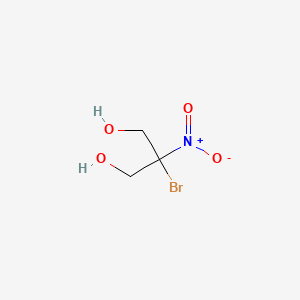
2-BROMO-2-NITROPROPANE-1,3-DIOL
preservative
View
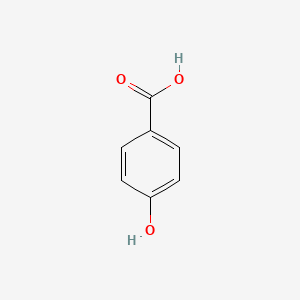
4-HYDROXYBENZOIC ACID
preservative
View
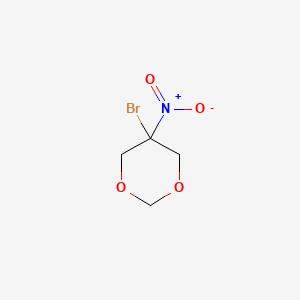
5-BROMO-5-NITRO-1,3-DIOXANE
preservative
View
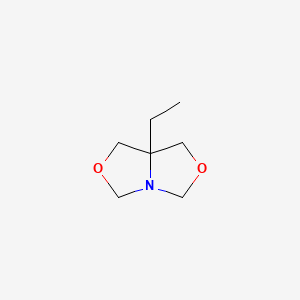
7-ETHYLBICYCLOOXAZOLIDINE
preservative
View
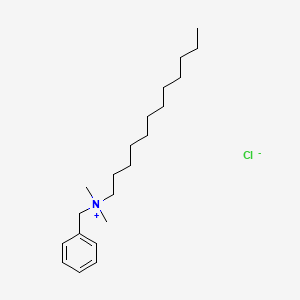
BENZALKONIUM CHLORIDE
preservative
View
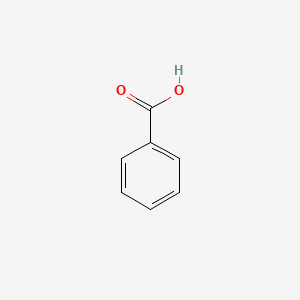
BENZOIC ACID
BENZOIC ACID
preservative
View
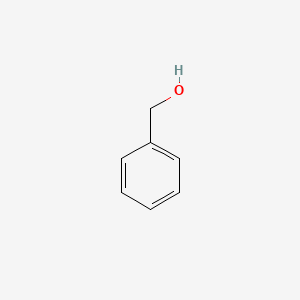
BENZYL ALCOHOL
BENZYL ALCOHOL
preservative
View
CAPRYLHYDROXAMIC ACID
preservative
View