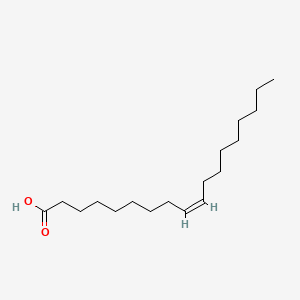
Description: OLEIC ACID — fatty acid, moisturizing, penetration enhancer.
All Functions: fatty acid, moisturizing, penetration enhancer
Quick Facts:
- Category: emollient
- Comedogenic Rating: 2/5
Proven Benefits At A Glance:
- Oleic acid is a monounsaturated fatty acid found naturally in skin oils and olive oil
- Research suggests oleic acid may be linked to skin redness in healthy people by triggering inflammatory signaling
- When skin is exposed to chlorine bleach, oleic acid reacts rapidly and can form irritating byproducts
- Oleic acid can increase how well certain drugs and actives penetrate through skin layers
- Early research hints oleic acid may play a role in immune function and wound healing, though evidence is still emerging
Safety tier is a starting heuristic from regulatory status and comedogenic rating, not a dermatological verdict — see our Terms for the full disclaimer. Research confidence reflects how many real cited studies back this ingredient, not the strength of their findings.
🧪 OLEIC ACID
OLEIC ACID
CAS Number: 112-80-1
Also Known As: —
Category: emollient
EC Number: 204-007-1
Korean Name: 올레익애씨드
9-Octadecenoic acid (9Z)-
OLEIC ACID is an emollient ingredient used in skincare formulations.
🌍 Regulatory Status
📊 Comedogenicity
2/5
📚 Research & Evidence
🔬 The Science
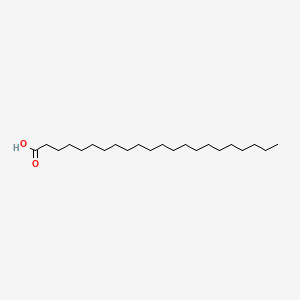
Oleic acid (chemical name C18:1, cis-9) is a monounsaturated fatty acid — meaning it has one flexible bend in its carbon chain — that naturally occurs in skin sebum and is abundant in olive oil. Understanding oleic acid’s role in skincare requires looking at both potential concerns and potential benefits. #1: Skin redness connection — In healthy people, higher amounts of oleic acid in facial sebum have been shown to correlate with increased cheek redness (J Cosmet Dermatol, 2023). The mechanism appears to involve oleic acid triggering the production of inflammatory signaling molecules called IL-36γ and IL-37 in skin cells called keratinocytes, through a pathway involving glutamate receptors.
This suggests that for some individuals concerned with facial redness, managing sebum composition — particularly oleic acid levels — could be a skincare strategy, though the research is observational rather than establishing cause-and-effect (J Cosmet Dermatol, 2023). #2: Chemical reactivity with bleach — Oleic acid’s chemical structure makes it vulnerable to rapid degradation when skin is exposed to chlorine bleach (from household cleaning products). When bleach reacts with oleic acid on skin, it forms chlorinated byproducts within minutes, which may contribute to the irritation people experience from bleach exposure (Environ Sci Technol, 2019). This is a chemical reaction concern rather than a skincare benefit claim.
#3: Enhanced skin penetration — When used in specialized formulations called oleosomes (tiny lipid-based vesicles), oleic acid increases the deformability of these delivery vehicles, allowing them to pass through the stratum corneum (the skin’s outer barrier) more effectively (ACS Appl Bio Mater, 2024). In one study, oleic acid-based nanovesicles improved skin penetration of test compounds compared to standard solutions, and tolerability testing on human volunteers showed these formulations were safe and improved skin barrier recovery compared to saline (ACS Appl Bio Mater, 2024). However, this is specialized pharmaceutical research and not directly applicable to typical skincare products. #4: Broader health effects — A review of oleic acid’s effects across human health noted that diets rich in oleic acid (like the Mediterranean diet) may support immune function and have been studied for potential benefits in inflammatory diseases, wound healing, and infection response (Mini Rev Med Chem, 2013).
However, the review explicitly states that oleic acid’s role in immune responses remains controversial, and these findings are largely from dietary studies rather than topical skincare research. The sources show limited agreement on oleic acid as a skincare ingredient. The clearest finding is its connection to skin redness in healthy people — a potential concern rather than a benefit. Its use in advanced drug-delivery formulations is promising but still experimental. Claims about anti-inflammatory or healing benefits come from dietary research, not topical skincare studies.
💧 Skin Type Compatibility
Derived from this ingredient’s irritancy potential and comedogenicity rating against the needs of each skin type — e.g. oily and acne-prone skin are marked down for pore-clogging ingredients, sensitive skin for irritants. A starting heuristic, not a dermatological verdict.
⚠️ Don’t Combine With
🧴 Products Containing OLEIC ACID
- Eucerin pH5
- atrix
- nivea nivea cream
- Nivéa Nivea soft
- BRYNILD GRUPPEN AS Nivea Men Body & Face Cream 150ml
- Nivea Nivea lait démaquillant
- Blistex Blistex Lippenpflege Lip Infusions Hydration
- TABAC TABAC’S original bartshampoo & conditioner
- Wella Ultimate Repair Mask
- unilever, dove DOVE Crème Hydratante Corps Soie Pot 300ml
- BRYNILD GRUPPEN AS Nivea Roll-On Magnesium 50ml
- Delia, Delia Cosmetics Cameleo Blond Moyen 7.0
- L’OREAL NORGE AS Preferance 1 Napoli
- L’OREAL NORGE AS Preferance 4.15 Caracas
- Ryana, Verona Precious argan oil Cerise noir
- palmers hemp oil relief body lotion
- Wella Nutri-enrich invigo
- 3 chênes, 3 chênes Beauty belleza oleo-proteique complex color & soin 6 G blond foncé doré
- Henkel, Schwarzkopf Palette Salon Colors 8.5
- Lida Jabón 100% natural de glicerina
📄 Related Research
Matched by search — not necessarily verified support for every statement above.
- Kawamoto A et al. (2023). Oleic acid-induced interleukin-36γ: A possible link between facial skin redness and sebum. J Cosmet Dermatol.
- Schwartz-Narbonne H et al. (2019). Heterogeneous Chlorination of Squalene and Oleic Acid. Environ Sci Technol.
- Ahmad S et al. (2024). Skin Tolerability of Oleic Acid Based Nanovesicles Designed for the Improvement of Icariin and Naproxen Percutaneous Permeation. ACS Appl Bio Mater.
- Sales-Campos H et al. (2013). An overview of the modulatory effects of oleic acid in health and disease. Mini Rev Med Chem.
- Saitoh H et al. (2023). Effects and Mode of Action of Oleic Acid and Tween 80 on Skin Permeation of Disulfiram. Chem Pharm Bull (Tokyo).
Similar Ingredients
📰 More News
-
The CCL20-CCR6 axis predominantly drives IL-17-mediated psoriasis while modestly contributing to papain-induced type 2 inflammation
PubMed · 23 days ago
-
SkinCeuticals Just Reformulated Its C E Ferulic Serum
Allure · 14 days ago
-
Are Sunscreen Oils Just Tanning Oils in Disguise? Experts Weigh In
Allure · 14 days ago
-
Update to RIFM fragrance ingredient safety assessment, propenylguaethol, CAS Registry Number 94-86-0
PubMed · 14 days ago
-
Earth Harbor Obscura Night Repair Concentrate Review
Allure · 13 days ago
-
Okay, We’ll Bite: Fruity Perfumes Are Cool
Allure · 13 days ago