Description: PEG-40 STEARATE — emulsifier.
All Functions: emulsifier
Quick Facts:
- Category: surfactant
Proven Benefits At A Glance:
- PEG-40 stearate is an emulsifier — a substance that helps mix ingredients together — used in advanced medical and pharmaceutical formulations
- It’s been studied as a coating ingredient for microbubbles used in ultrasound imaging and drug delivery
- Research shows it can be chemically modified to improve how well formulations stick to body tissues
- At body temperature (37°C), PEG-40 stearate performed similarly to more expensive alternatives in some medical applications
- The ingredient has very low toxicity to cells and red blood cells in laboratory testing
Safety tier is a starting heuristic from regulatory status and comedogenic rating, not a dermatological verdict — see our Terms for the full disclaimer. Research confidence reflects how many real cited studies back this ingredient, not the strength of their findings.
🧪 PEG-40 STEARATE
PEG-40 STEARATE
CAS Number: 9004-99-3
Also Known As: —
Category: surfactant
EC Number: –
Korean Name: 피이지-40스테아레이트
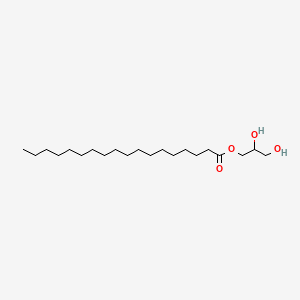
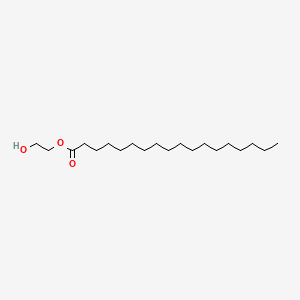
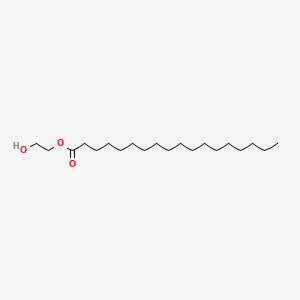
Poly(oxy-1,2-ethanediyl), .alpha.-(1-oxooctadecyl)-.omega.-hydroxy- (40 mol EO average molar ratio)
PEG-40 STEARATE is a surfactant ingredient used in skincare formulations.
🌍 Regulatory Status
📊 Comedogenicity
📚 Research & Evidence
🔬 The Science
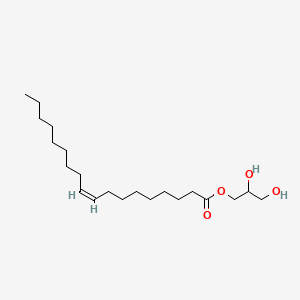
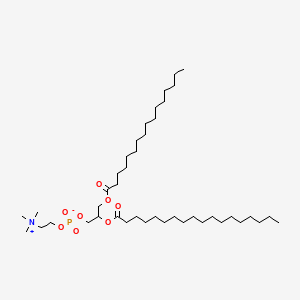
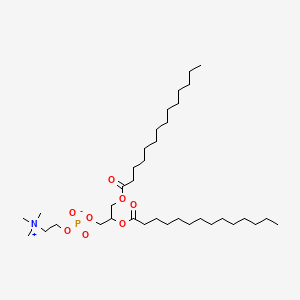
PEG-40 stearate is a polyethylene glycol (PEG) derivative — a type of polymer that makes ingredients more compatible with water. It functions as an emulsifier, meaning it helps stabilize mixtures of oil and water-based components. #1: Medical imaging and drug delivery: PEG-40 stearate has been extensively studied as a coating material for microbubbles used in ultrasound contrast agents. These are tiny gas-filled spheres used to enhance ultrasound imaging. In this context, the ingredient helps create and stabilize the lipid shell that holds the gas core (Langmuir, 2019; Int J Pharm, 2025). At body temperature, microbubbles coated with PEG-40 stearate showed comparable stability in blood serum to more expensive pegylated alternatives, suggesting potential cost advantages, though researchers note that whether it adequately protects microbubbles from the body’s immune clearance mechanisms still requires investigation (Langmuir, 2019).
#2: Antifungal drug delivery: PEG-40 stearate has been used as a base material for solid lipid nanoparticles designed to deliver antifungal medications. When chemically modified, these nanoparticles showed potential for treating vaginal infections caused by Candida albicans and demonstrated improved drug release profiles under infection-like conditions (Drug Deliv, 2016). #3: Mucoadhesive formulations: Researchers have successfully modified PEG-40 stearate by adding thiol groups (sulfur-containing chemical moieties) to create specialized surfactants. These modifications significantly improved how well nanoemulsions stick to intestinal tissue, with the modified versions showing dramatically enhanced mucoadhesiveness compared to unmodified PEG-40 stearate (ACS Biomater Sci Eng, 2023). The ingredient retained low cytotoxicity and hemolytic activity (meaning it was safe to cells and red blood cells) even after these chemical modifications.
#4: Manufacturing efficiency challenges: A recent study revealed a significant limitation: during microbubble production, PEG-40 stearate is actually selectively excluded from the final bubble shells more than other lipid components — a phenomenon called “squeezing out.” This means the actual amount of PEG-40 stearate in the finished product is lower than what’s added during manufacturing, resulting in substantial waste (94-96% of the ingredient mixture) and low product yields (Int J Pharm, 2025). This finding contradicts earlier assumptions and has important implications for manufacturing efficiency and cost. Overall, the research shows PEG-40 stearate is a versatile and low-toxicity ingredient that can be chemically tailored for different applications, though its production efficiency and physiological behavior in some contexts still require further study.
💧 Skin Type Compatibility
⚠️ Don’t Combine With
🧴 Products Containing PEG-40 STEARATE
- Beiersdorf, Hidrofugal Classic Deo Creme
- keri moisturising lotion
- Bagovit Emulsión hidratante revitalizante, efecto luminoso
- L’OREAL NORGE AS L’Oréal Paris Telescopic Black Mascara
- Loreal norge as / slt Revitalift Natt 50ml Loreal
- Les Cosmetiques Mascarilla facial hidratación sos booster plan
- crème hydratante adoucissante
- Palmer’s huile de coco lait hydratant corps
- Palmer’s Coconut Oil Formula
- Eucerin Skin Calming Body Lotion for Dry and Itchy Skin
- Dermasil Labs Cocoa Butter Moisturizing Body Lotion
- Avon Moisture Therapy Intense Healing
- l-oreal Age Perfect Soin Ré-hydratant Jour
- Avene Sunsitive Sunscreen Spray SPF 50+
- Vichy Liftactiv Nuit Supreme
- Vichy Liftactiv Yeux
- Cerave CeraVe Hydraterende Reinigingscrème
- CeraVe CeraVe Hydraterende Reinigingscrème
- Loreal norge as / slt Age Perfect Dagkrem 50ml Loreal
- L’OREAL NORGE AS L’Oreal Age Perfect Gold Rosy Nattkrem 50ml
📄 Related Research
Matched by search — not necessarily verified support for every statement above.
- Owen J et al. (2019). The Role of PEG-40-stearate in the Production, Morphology, and Stability of Microbubbles. Langmuir.
- Chopra A (2004). Microbubbles with a disteroylphosphatidylcholine, disteroylphosphatidylethanolamine-polyethyleneglycol (PEG) 2000-pyridyldithio propionate-PEG 40 stearate shell conjugated to cyclic arginine-glycine-aspartic acid-d-tyrosine-lysine (cRGD) pentapeptide. a peer-reviewed journal.
- Cassano R et al. (2016). Preparation, characterization and in vitro activities evaluation of solid lipid nanoparticles based on PEG-40 stearate for antifungal drugs vaginal delivery. Drug Deliv.
- To D et al. (2023). Power-Up for Mucoadhesiveness: Two Generations of Thiolated Surfactants for Enhanced Sticky Nanoemulsions. ACS Biomater Sci Eng.
- Kilic S et al. (2025). Lipid monolayer composition and production efficiency in DSPC/PEG(40)St microbubbles for ultrasound applications. Int J Pharm.
Similar Ingredients
📰 More News
-
The CCL20-CCR6 axis predominantly drives IL-17-mediated psoriasis while modestly contributing to papain-induced type 2 inflammation
PubMed · 23 days ago
-
SkinCeuticals Just Reformulated Its C E Ferulic Serum
Allure · 14 days ago
-
Are Sunscreen Oils Just Tanning Oils in Disguise? Experts Weigh In
Allure · 14 days ago
-
Update to RIFM fragrance ingredient safety assessment, propenylguaethol, CAS Registry Number 94-86-0
PubMed · 14 days ago
-
Earth Harbor Obscura Night Repair Concentrate Review
Allure · 13 days ago
-
Okay, We’ll Bite: Fruity Perfumes Are Cool
Allure · 13 days ago