Mia Seilern
⚠️ Data is provided for informational purposes only. It may contain inaccuracies and should be independently verified. This is not medical advice. Consult a healthcare professional before making health decisions.

Description: POLYSORBATE 20 — emulsifier, solubilizer.

All Functions: emulsifier, solubilizer

Quick Facts:

  • Category: surfactant

Proven Benefits At A Glance:

  • Polysorbate 20 is a non-ionic surfactant used in cosmetics, pharmaceuticals, and food products
  • It’s considered biocompatible and non-irritating
  • It helps dissolve fragrance materials and other ingredients that don’t naturally dissolve in water
  • It can stabilize proteins in formulations
  • Intramuscular safety studies in animals showed no systemic or local toxicity
Safety: Generally Low ConcernResearch confidence: GoodCommon fungal-acne trigger

Safety tier is a starting heuristic from regulatory status and comedogenic rating, not a dermatological verdict — see our Terms for the full disclaimer. Research confidence reflects how many real cited studies back this ingredient, not the strength of their findings.

🧪 POLYSORBATE 20

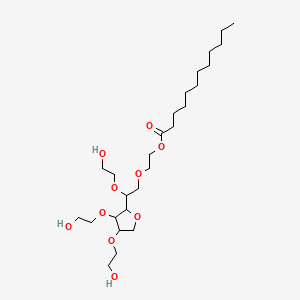
Chemical structure of POLYSORBATE 20

POLYSORBATE 20

CAS Number: 9005-64-5

Also Known As:

Category: surfactant

Korean Name: 폴리솔베이트20

Sorbitan, monododecanoate, poly(oxy-1,2-ethanediyl) derivs.

POLYSORBATE 20 is a surfactant ingredient used in skincare formulations.

emulsifiersolubilizer

🌍 Regulatory Status

EU: No restriction on fileUS: No restriction on file

📊 Comedogenicity

No data yet
Not rated for this ingredient yet.

📚 Research & Evidence

PUBMED CITATIONS
5
Data sources: EU CosIng PubMed

🔬 The Science

Polysorbate 20 (also called PS20) is manufactured through a multi-stage chemical reaction involving sorbitol, fatty acids, and ethylene oxide, creating a complex mixture of components with varying molecular weights and polarity (Eur J Pharm Biopharm, 2025). Understanding this composition matters because variations affect how well it performs its job in products. #1: Solubilization of fragrant ingredients: Polysorbate 20 works by forming structures called micelles—tiny spheres where hydrophobic (water-repelling) fragrance materials can be dissolved and suspended in water-based products. Research on fragrance raw materials shows that when polysorbate 20 is used, fragrance ingredients compete for space in these micelles, sometimes creating an inhibitory effect where both ingredients become harder to dissolve when combined (Int J Cosmet Sci, 2025).

In contrast, anionic surfactants like sodium dodecyl sulfate were found to be more efficient overall solubilizers in this research. #2: Solubility enhancement of actives: When polysorbate 20 is added at high enough concentrations (above its critical micelle concentration), it can increase the water solubility of ingredients like quercetin—a compound with antioxidant and anti-inflammatory properties—by approximately 2.14 times in acidic buffer at pH 4.5 (J Public Health Afr, 2023). However, another polysorbate variant (polysorbate 80) was shown to be more effective at increasing quercetin solubility across more concentration ranges. #3: Safety profile: A four-week repeated intramuscular toxicity study in rats using doses of 0.02, 0.1, and 0.4 mg/kg showed no systemic or local toxicities, with no clinical signs, body weight changes, or allergic reactions observed (PLoS One, 2021).

An intradermal irritation study in rabbits also showed no adverse effects. This safety profile was considered similar to human serum albumin, a commonly used pharmaceutical excipient. #4: Protein stabilization: Beyond solubilization, polysorbate 20 is valued for stabilizing proteins in formulations (Eur J Pharm Biopharm, 2025), though the sources provided do not detail the specific mechanisms or extent of this stabilization in skincare contexts.

💧 Skin Type Compatibility

No data yet
Per-skin-type data isn’t curated for this ingredient yet.

⚠️ Don’t Combine With

No data yet
No known incompatibilities on file for this ingredient.

🧴 Products Containing POLYSORBATE 20

📄 Related Research

Matched by search — not necessarily verified support for every statement above.

Similar Ingredients

CETEARETH-20
CETEARETH-20
surfactant
View
CETEARETH-25
CETEARETH-25
surfactant
View
CETEARYL GLUCOSIDE
CETEARYL GLUCOSIDE
surfactant
View
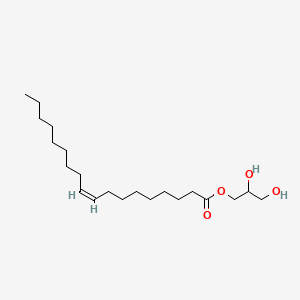
GLYCERYL OLEATE
GLYCERYL OLEATE
emollient
View
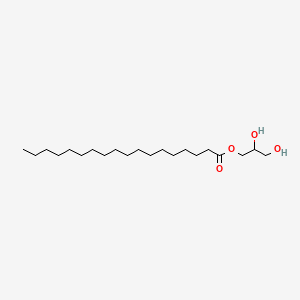
GLYCERYL STEARATE
GLYCERYL STEARATE
emollient
View
HYDROGENATED LECITHIN
emollient
View
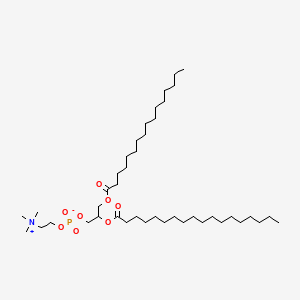
LECITHIN
LECITHIN
emollient
View
PEG-100 STEARATE
PEG-100 STEARATE
surfactant
View