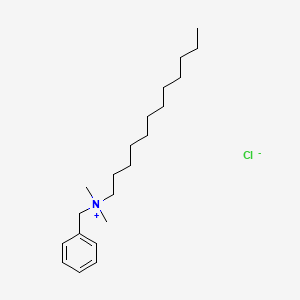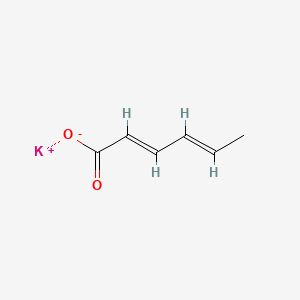
Description: POTASSIUM SORBATE — preservative.
All Functions: preservative
Quick Facts:
- Category: preservative
Proven Benefits At A Glance:
- Potassium sorbate is a preservative used in food, cosmetics, and pharmaceuticals
- It is considered a rare skin sensitizer, though contact allergy may be underestimated
- People sensitized to sorbic acid should avoid potassium sorbate products, as they’re chemically related
- In high doses, potassium sorbate delayed development and reduced lifespan in a fruit fly model
- At low doses in the same model, it accelerated growth and development
- High-dose exposure affected gut bacteria in offspring across generations in fruit fly studies
- Potassium sorbate is used in agricultural coatings to help preserve fruit quality
Safety tier is a starting heuristic from regulatory status and comedogenic rating, not a dermatological verdict — see our Terms for the full disclaimer. Research confidence reflects how many real cited studies back this ingredient, not the strength of their findings.
🧪 POTASSIUM SORBATE
POTASSIUM SORBATE
CAS Number: 24634-61-5 / 590-00-1
Also Known As: —
Category: preservative
EC Number: 246-376-1 / –
Korean Name: 포타슘솔베이트
Potassium (E,E)-hexa-2,4-dienoate
POTASSIUM SORBATE is a preservative ingredient used in skincare formulations.
🌍 Regulatory Status
EU max concentration: 0.6% (acid)
📊 Comedogenicity
📚 Research & Evidence
🔬 The Science
Potassium sorbate (PS) is a widely used preservative in the cosmetics, food, and pharmaceutical industries. Here’s what current research reveals about its effects:
**Skin Sensitization Concerns:** #1: PS is classified as a rare skin sensitizer, but allergic contact dermatitis from PS-containing products may be underestimated in clinical practice (Contact Dermatitis, 2021). #2: PS-containing products always contain sorbic acid (SA) to some degree, and a positive patch test to PS typically reflects sensitization to SA rather than PS alone (Contact Dermatitis, 2021). #3: Patients who have developed sensitization to sorbic acid should avoid potassium sorbate products due to their chemical relationship (Contact Dermatitis, 2021).
**Developmental and Systemic Effects (Animal Model):** Research in fruit flies (Drosophila melanogaster) has identified dose-dependent effects of PS exposure. #4: At low doses (25 mg/L), PS accelerated larval development and adult emergence, suggesting a potential growth-promoting effect (Front Microbiol, 2026). #5: At high doses (≥500 mg/L), PS significantly delayed development and reduced adult lifespan, with effects observed in females at 1,000 mg/L and males at 500–1,000 mg/L (Front Microbiol, 2026). #6: High-dose PS disrupted endocrine signaling and altered expression of key developmental genes including EcR, InR, TOR, and E74B (Front Microbiol, 2026). #7: In a separate fruit fly study, PS ingestion reduced lifespan and reproductive output, triggered cell death and reactive oxygen species accumulation in the midgut, and altered intestinal cell differentiation by repressing the notch gene (Insects, 2024).
**Trans-generational Effects:** #8: In offspring of flies exposed to high-dose PS (1,000 mg/L), developmental delays persisted in the next generation despite normal adult emergence timelines, indicating partial recovery (Front Microbiol, 2026). #9: Offspring of high-dose-exposed parents showed significant alterations in gut microbiota composition (dysbiosis), even though the microbiota remained stable in directly exposed parents (Front Microbiol, 2026). **Important Limitations:** These developmental and systemic findings come from fruit fly studies, which use evolutionarily conserved biological pathways but are not human studies. The doses tested (500–1,000 mg/L in drinking medium) are not directly comparable to typical human skincare or food exposure. The research provides evidence relevant to understanding chemical exposures during sensitive developmental windows but should not be interpreted as direct predictions of human health effects at cosmetic use levels.
**Preservative and Agricultural Uses:** #10: PS is used in composite coatings (combined with chitosan) to help preserve fruit quality, including maintaining antioxidant enzyme activity and reducing weight loss and decay in stored lemons (J Sci Food Agric, 2025). #11: PS has demonstrated effectiveness in reducing postharvest gray mold on grape berries when applied during the growing season, with effects comparable to fungicide treatments (Plant Dis, 2013).
💧 Skin Type Compatibility
⚠️ Don’t Combine With
🧴 Products Containing POTASSIUM SORBATE
- Eucerin UreaRepair PLUS 10%
- Nivea Lait crème nourrissant
- Nivea Body Beruhigende After Shave Creme for women, Mit Panthenol
- nivea baby
- Nivea Nivea Men Fresh Active
- Nivea Milk nutritiva
- Rituals Serenity Indian Rose & Sweet Almond Oil
- Cosmo Naturel, Gravier Shampooing Cheveux secs Karité – Jojoba – Aloe
- Blend-a-med Complete Expert
- Alcina hair & body shampoo
- shampoo
- Buchter’s Son, Murnauer Markenvertrieb GmbH Butcher’s Son Hydro Cream
- Balea Men Arctic Fresh Duschgel
- Balea Creme Seife Sensitive
- Balea, dm Jeden Tag Shampoo Mango
- ANNEMARIE BÖRLIND mild shampoo
- Henkel,Syoss Power Shampoo for Men
- Head & Shoulders Shampooing antipelliculaire + après-shampooing 2 in 1 Sensitive
- Sante Naturokosmetik Gel douche Ananas bio & Citron vert
- Sante Naturkosmetik Aroma Duschgel Energy
📄 Related Research
Matched by search — not necessarily verified support for every statement above.
- Dong Y et al. (2026). Potassium sorbate induces developmental and microbiome changes in Drosophila melanogaster with attenuated trans-generational toxicity. Front Microbiol.
- Dendooven E et al. (2021). Allergic contact dermatitis from potassium sorbate and sorbic acid in topical pharmaceuticals and medical devices. Contact Dermatitis.
- Zhang X et al. (2024). Toxicity Evaluation of Potassium Sorbate In Vivo with Drosophila Melanogaster. Insects.
- Nikhil et al. (2025). Potassium sorbate-enriched chitosan coatings enhance antioxidant stability and preserve postharvest quality of lemons (Citrus limon). J Sci Food Agric.
- Feliziani E et al. (2013). Preharvest Fungicide, Potassium Sorbate, or Chitosan Use on Quality and Storage Decay of Table Grapes. Plant Dis.
Similar Ingredients


📰 More News
-
The CCL20-CCR6 axis predominantly drives IL-17-mediated psoriasis while modestly contributing to papain-induced type 2 inflammation
PubMed · 23 days ago
-
SkinCeuticals Just Reformulated Its C E Ferulic Serum
Allure · 14 days ago
-
Are Sunscreen Oils Just Tanning Oils in Disguise? Experts Weigh In
Allure · 14 days ago
-
Update to RIFM fragrance ingredient safety assessment, propenylguaethol, CAS Registry Number 94-86-0
PubMed · 14 days ago
-
Earth Harbor Obscura Night Repair Concentrate Review
Allure · 13 days ago
-
Okay, We’ll Bite: Fruity Perfumes Are Cool
Allure · 13 days ago