Mia Seilern
PROPYLPARABEN
⚠️ Data is provided for informational purposes only. It may contain inaccuracies and should be independently verified. This is not medical advice. Consult a healthcare professional before making health decisions.

Description: PROPYLPARABEN — preservative.

All Functions: preservative

Quick Facts:

  • Category: preservative
  • Also Known As: propyle paraben, propilparabeno

Proven Benefits At A Glance:

  • Propylparaben is a preservative used in over 22,000 cosmetic products at concentrations up to 0.4% (single ingredient) or 0.8% (in mixtures)
  • It does penetrate the skin but is metabolized within viable skin layers; only about 1% reaches the body unmetabolized
  • Animal studies show propylparaben is noncarcinogenic and does not cause birth defects
  • Propylparaben exhibits weak binding to estrogen receptors—at least 1,000 times less potent than natural estradiol
  • Propylparaben is rarely irritating or sensitizing to normal skin at cosmetic-use concentrations
  • Some animal studies suggest effects on sperm counts and reproductive development warrant further investigation
Safety: Generally Low ConcernResearch confidence: Good

Safety tier is a starting heuristic from regulatory status and comedogenic rating, not a dermatological verdict — see our Terms for the full disclaimer. Research confidence reflects how many real cited studies back this ingredient, not the strength of their findings.

🧪 PROPYLPARABEN

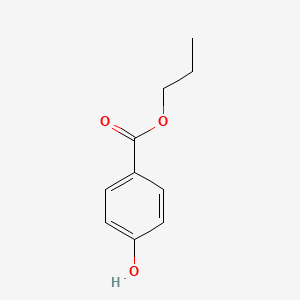
Chemical structure of PROPYLPARABEN

PROPYLPARABEN

CAS Number: 94-13-3

Also Known As: propyle paraben, propilparabeno

Category: preservative

EC Number: 202-307-7

Korean Name: 프로필파라벤

Propyl 4-hydroxybenzoate

PROPYLPARABEN is a preservative ingredient used in skincare formulations.

preservative

🌍 Regulatory Status

EU: No restriction on fileUS: No restriction on file

EU max concentration: – 0,14% (as acid) for the sum of the individual concentrations – 0,8% (as acid) for mixtures of substances mentioned in entry 12 and 12a, here the sum of the individual concentrations of butyl and propylparaben and their salts does not exceed 0,14%

📊 Comedogenicity

No data yet
Not rated for this ingredient yet.

📚 Research & Evidence

PUBMED CITATIONS
5
Data sources: EU CosIng PubMed

🔬 The Science

Propylparaben belongs to a family of preservatives called parabens, which are esters derived from p-hydroxybenzoic acid (PHBA). These compounds are widely used in cosmetics, pharmaceuticals, and food products for their bactericidal and fungicidal properties (Environ Toxicol Pharmacol, 2022). #1: Absorption and metabolism. When applied to skin, propylparaben penetrates the outer layer (stratum corneum) and is broken down by enzymes called carboxylesterases within the viable skin (Int J Toxicol, 2008). Recent human studies show that after dermal application of a cream containing 0.28% propylparaben, peak blood levels occurred at 5.3 hours, with a terminal half-life of 9.3 hours—slower than oral exposure (Chemosphere, 2023).

Critically, propylparaben does not accumulate in the body; even after intravenous administration in animal studies, serum concentrations quickly decline and remain low (Int J Toxicol, 2008). Following dermal exposure, only 1.9% of propylparaben is excreted in urine, and a smaller fraction is metabolized to inactive conjugated forms compared to oral exposure, meaning more remains biologically active in circulation (Chemosphere, 2023). #2: Cancer and birth defects. Propylparaben was noncarcinogenic in a transplacental carcinogenesis study in animals, and parabens broadly show no fetal anomalies in animal studies even at doses that produce maternal toxicity (Int J Toxicol, 2008). #3: Reproductive effects. This is where evidence becomes mixed.

In vitro (test-tube) studies found sperm were not viable at 3 mg/ml propylparaben, but high-dose animal feeding studies (0.01% to 1.0% in diet) reported effects on sperm counts at all levels tested (Int J Toxicol, 2008). A 2022 study in fruit flies (Drosophila) found significant reductions in fecundity (offspring production) across all propylparaben exposure groups compared to controls (Environ Toxicol Pharmacol, 2022). These findings suggest reproductive effects warrant further investigation, though they occurred at doses higher than typical cosmetic exposure. #4: Endocrine disruption and estrogen receptor binding. Propylparaben exhibits weak competitive binding to androgen receptors (Int J Toxicol, 2008). It also binds to estrogen receptors, but with extremely low affinity—at least 1,000 times less potent than natural estradiol (Int J Toxicol, 2008; Toxicol Ind Health, 2026).

While weak estrogenic activity has been detected in laboratory cell studies, repeated exposure and cumulative effects warrant further investigation (Toxicol Ind Health, 2026). #5: Neurodevelopmental effects. A zebrafish study found that early-life exposure to propylparaben (at 10 and 1,000 μg/L) altered behavior and brain gene expression, including genes related to brain development and synapse formation, with effects persisting into juvenile stages (Sci Total Environ, 2024). This raises questions about developmental nervous system exposure, though the relevance to typical human cosmetic use is unclear. #6: Skin irritation and sensitization. Propylparaben is practically nonirritating and nonsensitizing to normal skin at cosmetic concentrations (Int J Toxicol, 2008).

Paraben sensitization occurs mainly when exposure involves damaged or broken skin and affects fewer than 4% of people with chronic dermatitis (Int J Toxicol, 2008). #7: Safety margins. The Cosmetic Ingredient Review (CIR) Expert Panel calculated safety margins (MOS) by comparing cosmetic exposure to the highest dose showing no adverse effects in animal studies. For infants using single-paraben products at 0.4%, the safety margin was approximately 6,000-fold; for adults, approximately 1,690-fold (Int J Toxicol, 2008). The Expert Panel considers these conservative estimates supporting safety at cosmetic-use levels.

💧 Skin Type Compatibility

No data yet
Per-skin-type data isn’t curated for this ingredient yet.

⚠️ Don’t Combine With

No data yet
No known incompatibilities on file for this ingredient.

🧴 Products Containing PROPYLPARABEN

📄 Related Research

Matched by search — not necessarily verified support for every statement above.

Similar Ingredients

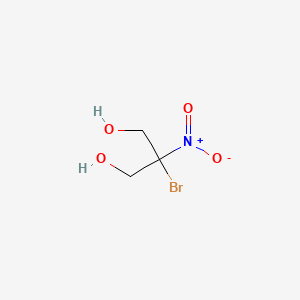
2-BROMO-2-NITROPROPANE-1,3-DIOL
preservative
View
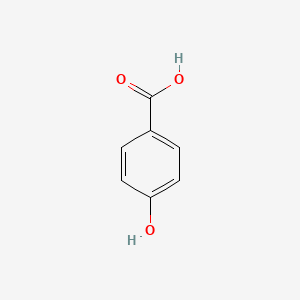
4-HYDROXYBENZOIC ACID
preservative
View
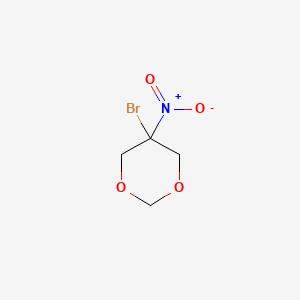
5-BROMO-5-NITRO-1,3-DIOXANE
preservative
View
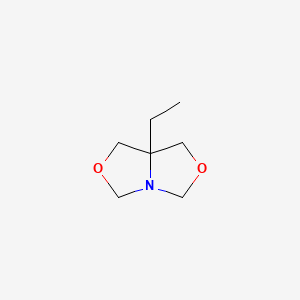
7-ETHYLBICYCLOOXAZOLIDINE
preservative
View
BENZALKONIUM CHLORIDE
preservative
View
BENZOIC ACID
BENZOIC ACID
preservative
View
BENZYL ALCOHOL
BENZYL ALCOHOL
preservative
View
CAPRYLHYDROXAMIC ACID
preservative
View