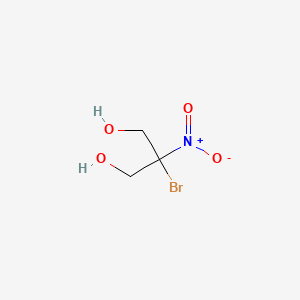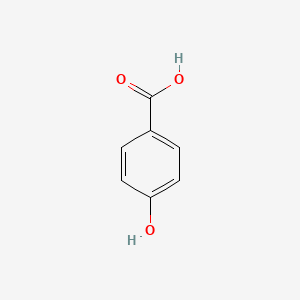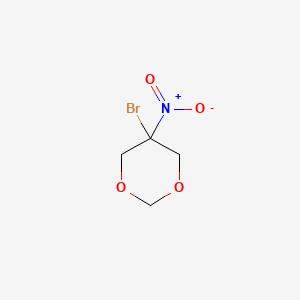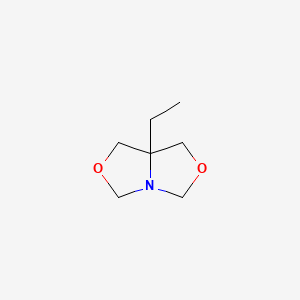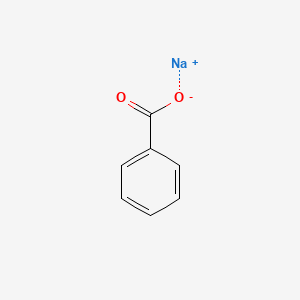
Description: SODIUM BENZOATE — preservative.
All Functions: preservative
Quick Facts:
- Category: preservative
Proven Benefits At A Glance:
- Sodium benzoate is a preservative used in food, cosmetics, and medicines to kill microorganisms
- The FDA recognizes benzoic acid and sodium benzoate as generally safe in foods
- At safe topical concentrations (up to 5%), sodium benzoate can cause non-allergic skin reactions like wheals and redness in some people
- Research in animals suggests long-term sodium benzoate intake may affect bone health and increase oxidative stress at high doses
- A topical spray containing sodium benzoate was shown to be effective against yeast infections in dogs with no reported adverse effects
Safety tier is a starting heuristic from regulatory status and comedogenic rating, not a dermatological verdict — see our Terms for the full disclaimer. Research confidence reflects how many real cited studies back this ingredient, not the strength of their findings.
🧪 SODIUM BENZOATE
SODIUM BENZOATE
CAS Number: 532-32-1
Also Known As: —
Category: preservative
EC Number: 208-534-8
Korean Name: 소듐벤조에이트
Sodium benzoate
SODIUM BENZOATE is a preservative ingredient used in skincare formulations.
🌍 Regulatory Status
EU max concentration: a) 2.5% (acid) b) 1.7% (acid) c) 0.5% (acid)
📊 Comedogenicity
📚 Research & Evidence
🔬 The Science
Sodium benzoate is the sodium salt of benzoic acid, and it’s widely added to foods, cosmetics, and medicines because it effectively kills many microorganisms (Int J Toxicol, 2001). The World Health Organization established an acceptable daily intake of 5 mg/kg body weight for sodium benzoate, and the U.S. FDA recognizes it as generally safe in food (Int J Toxicol, 2001). When it comes to skin safety, the research shows a nuanced picture. #1: Sodium benzoate can produce nonimmunologic (not allergy-based) contact reactions on skin—meaning wheals, redness, and itching—at concentrations around 2-5%, though these appear to be surface-level effects rather than true allergic responses (Int J Toxicol, 2001).
The ingredient was not found to be a sensitizer at 10% concentration, suggesting that at lower percentages used in most cosmetics, sensitization risk is minimal (Int J Toxicol, 2001). However, the research notes that inhalation safety data is incomplete, so products designed for inhalation exposure warrant extra caution (Int J Toxicol, 2001). Regarding internal health effects, the picture becomes more complex at higher intake levels. #2: Animal studies have raised concerns about long-term sodium benzoate consumption and bone health—research found that sustained sodium benzoate intake decreased bone mass and deteriorated bone structure in rodents by suppressing bone-building cell (osteoblast) differentiation through interference with specific growth signaling pathways (J Agric Food Chem, 2025).
#3: At high concentrations, sodium benzoate induced oxidative stress (an imbalance of harmful molecules) and reduced survival in fruit fly models, suggesting excessive intake poses potential health risks (J Biochem Mol Toxicol, 2024). #4: In worm models, even low concentrations of sodium benzoate increased fat accumulation and shortened lifespan by interfering with the body’s oxidative stress defense system (Nutrients, 2024). These animal studies suggest a reasonable—rather than excessive—intake of sodium benzoate-containing foods may be important for long-term health (J Agric Food Chem, 2025). On the positive side, #5: a topical spray formulation containing sodium benzoate, alcohol, and plant oils was shown to be as effective as a medicated shampoo for treating yeast infections in dogs, with no reported adverse effects over 14 days of use (Vet Dermatol, 2022).
The sources are limited regarding cosmetic-specific safety data. Most evidence comes from food intake studies or animal models rather than direct human skin testing. While topical use at standard concentrations appears safe based on available data, the research on long-term internal health effects remains incomplete.
💧 Skin Type Compatibility
⚠️ Don’t Combine With
🧴 Products Containing SODIUM BENZOATE
- Nivea Gel de Limpeza Facial Nivea Controle do Brilho
- Curasept Curasept colluttorio
- Nivea Baby SHAMPOOING & BAIN HAPPY BATH
- BRYNILD GRUPPEN AS NIVEA Creme Soft Douchecrème
- Nivea Intimate Gel de toilette intime Apaisant Extrait de camomille, Panthenol & Acide lactique
- Nivea Intimate gel de toilette intime Douceur Huile de jojoba bio, Extrait de camomille & Acide lactique
- Nivea Men Sensitive Shower Gel Soothing + Bamboo Extract
- Beiersdorf, Nivea Nivea for men doccia gel energy
- Nivea Body Beruhigende After Shave Creme for women, Mit Panthenol
- Nivea, Nivea Men Cavani 9 – Gel douche hydratant originale édition limitée
- Nivea, Nivea Men NIVEA MEN sensitive peau sensible
- Nivea, Nivea Men Power Shampoo Anti-pelliculaire
- Beiersdorf, Nivea Douche soin crème veloutée, au beurre de karité
- nivea baby
- Nivea Care Shower Rose & Almond Oil
- Nivea Hairmilk 7 Plus
- Nivea Nivea Men Fresh Active
- Nivea NIVEA Derma Skin Clear Reinigingsgel
- Rituals Serenity Indian Rose & Sweet Almond Oil
- hhh
📄 Related Research
Matched by search — not necessarily verified support for every statement above.
- Wang Z et al. (2025). Sodium Benzoate Inhibits Osteoblast Differentiation and Accelerates Bone Loss by Regulating the FGF2/p38/RUNX2 Pathway. J Agric Food Chem.
- Asejeje FO et al. (2024). Toxicological assessment of sodium benzoate in Drosophila melanogaster. J Biochem Mol Toxicol.
- Nair B (2001). Final report on the safety assessment of Benzyl Alcohol, Benzoic Acid, and Sodium Benzoate. Int J Toxicol.
- Hoes NPM et al. (2022). The efficacy of a novel topical spray composed of sodium benzoate, alcohol and botanical oils for the treatment of Malassezia dermatitis in dogs – a split body, randomised, blinded study. Vet Dermatol.
- Lee JD et al. (2024). Sodium Benzoate Induces Fat Accumulation and Reduces Lifespan via the SKN-1/Nrf2 Signaling Pathway: Evidence from the Caenorhabditis elegans Model. Nutrients.
Similar Ingredients


📰 More News
-
The CCL20-CCR6 axis predominantly drives IL-17-mediated psoriasis while modestly contributing to papain-induced type 2 inflammation
PubMed · 23 days ago
-
SkinCeuticals Just Reformulated Its C E Ferulic Serum
Allure · 14 days ago
-
Are Sunscreen Oils Just Tanning Oils in Disguise? Experts Weigh In
Allure · 14 days ago
-
Update to RIFM fragrance ingredient safety assessment, propenylguaethol, CAS Registry Number 94-86-0
PubMed · 14 days ago
-
Earth Harbor Obscura Night Repair Concentrate Review
Allure · 13 days ago
-
Okay, We’ll Bite: Fruity Perfumes Are Cool
Allure · 13 days ago