Mia Seilern
SODIUM DEHYDROACETATE
⚠️ Data is provided for informational purposes only. It may contain inaccuracies and should be independently verified. This is not medical advice. Consult a healthcare professional before making health decisions.

Description: SODIUM DEHYDROACETATE — preservative.

All Functions: preservative

Quick Facts:

  • Category: preservative

Proven Benefits At A Glance:

  • Sodium dehydroacetate is a preservative used in cosmetics, foods, and personal care products
  • A cosmetic safety panel has reaffirmed it as safe for current cosmetic use practices since 1985, most recently in 2023
  • Animal studies show it can affect blood clotting and vitamin K levels when ingested orally at high doses
  • Environmental and animal research raises concerns about effects on aquatic life and internal organs at high exposures
Safety: Generally Low ConcernResearch confidence: Good

Safety tier is a starting heuristic from regulatory status and comedogenic rating, not a dermatological verdict — see our Terms for the full disclaimer. Research confidence reflects how many real cited studies back this ingredient, not the strength of their findings.

🧪 SODIUM DEHYDROACETATE

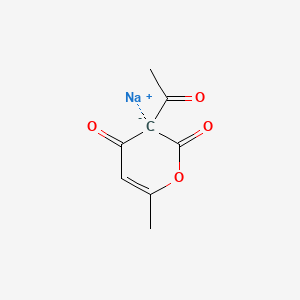
Chemical structure of SODIUM DEHYDROACETATE

SODIUM DEHYDROACETATE

CAS Number: 4418-26-2

Also Known As:

Category: preservative

EC Number: 224-580-1

Korean Name: 소듐데하이드로아세테이트

Sodium 1-(3,4-dihydro-6-methyl-2,4-dioxo-2H-pyran-3-ylidene)ethanolate

SODIUM DEHYDROACETATE is a preservative ingredient used in skincare formulations.

preservative

🌍 Regulatory Status

EU: No restriction on fileUS: No restriction on file

EU max concentration: 0.6% (as acid)

📊 Comedogenicity

No data yet
Not rated for this ingredient yet.

📚 Research & Evidence

PUBMED CITATIONS
5
Data sources: EU CosIng PubMed

🔬 The Science

Sodium dehydroacetate (also called dehydroacetic acid sodium salt) functions as an antimicrobial preservative—it fights bacteria, fungi, and yeast growth. The ingredient is widely used across cosmetics, processed foods, and personal care products (Environ Res, 2021). **Safety for cosmetic use:** #1: A specialized expert panel (the Expert Panel for Cosmetic Ingredient Safety) first assessed sodium dehydroacetate in 1985 and concluded it was safe at the concentrations and in the ways it was being used in cosmetics. The panel re-reviewed this conclusion in 2003, reaffirmed it in 2006, and most recently reviewed updated usage data again in 2023—reaffirming the original 1985 safety conclusion (Int J Toxicol, 2024).

This means the ingredient is considered safe for topical cosmetic application under current usage practices. **What animal research shows:** The picture becomes more complex when looking at oral ingestion and high-dose exposure studies. #2: When sodium dehydroacetate was given orally to rats at high doses (50–200 mg/kg body weight), it affected blood clotting by prolonging clotting times and lowering vitamin K levels in the bloodstream (Sci Rep, 2017). #3: Follow-up research identified the mechanism: the ingredient inhibits a liver enzyme called VKORC1 that recycles vitamin K, and treating animals with vitamin K reversed the clotting effects, confirming vitamin K depletion as the cause (Res Vet Sci, 2019).

#4: Sex differences were observed—female rats were more sensitive to these effects than males, accumulating higher blood levels of the ingredient and showing greater clotting changes (Front Pharmacol, 2021). **Environmental concerns:** #5: In aquatic organisms (zebrafish), waterborne exposure to sodium dehydroacetate at relatively low concentrations caused decreased hatching rates, reduced movement, respiratory problems, and death—effects attributed to the ingredient interfering with cellular energy production (Environ Res, 2021). **Important context:** The oral rat studies used doses substantially higher than typical human cosmetic exposure. The safety assessment for cosmetics specifically addresses topical use at current concentrations, which differ from the high oral doses tested in animal research.

The sources do not provide data directly comparing topical cosmetic exposure to the effects observed in these animal studies.

💧 Skin Type Compatibility

No data yet
Per-skin-type data isn’t curated for this ingredient yet.

⚠️ Don’t Combine With

No data yet
No known incompatibilities on file for this ingredient.

🧴 Products Containing SODIUM DEHYDROACETATE

📄 Related Research

Matched by search — not necessarily verified support for every statement above.

Similar Ingredients

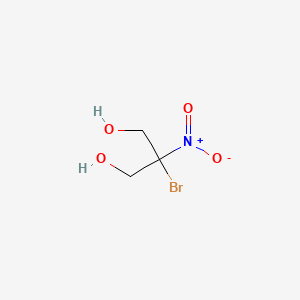
2-BROMO-2-NITROPROPANE-1,3-DIOL
preservative
View
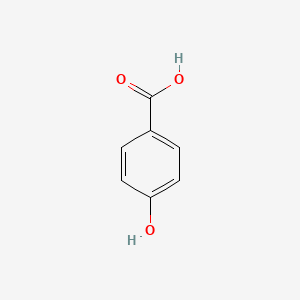
4-HYDROXYBENZOIC ACID
preservative
View
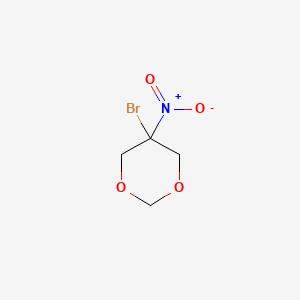
5-BROMO-5-NITRO-1,3-DIOXANE
preservative
View
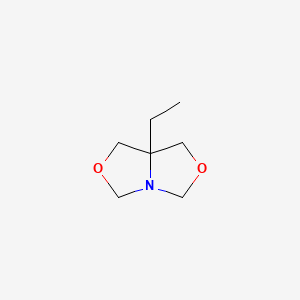
7-ETHYLBICYCLOOXAZOLIDINE
preservative
View
BENZALKONIUM CHLORIDE
preservative
View
BENZOIC ACID
BENZOIC ACID
preservative
View
BENZYL ALCOHOL
BENZYL ALCOHOL
preservative
View
CAPRYLHYDROXAMIC ACID
preservative
View