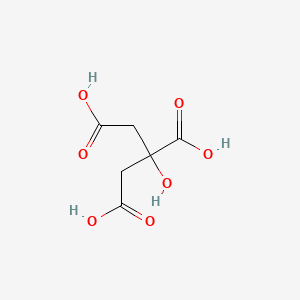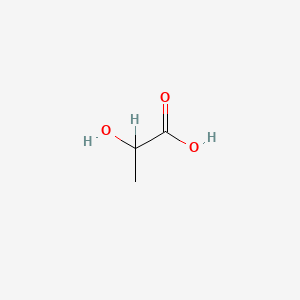
Description: Lactic Acid — exfoliant, hydrating.
All Functions: exfoliant, hydrating
Quick Facts:
- Category: active
- Also Known As: AHA
- Comedogenic Rating: 0/5
Proven Benefits At A Glance:
- Lactic acid-based polymers (PLLA and PDLLA) are synthetic materials that break down naturally in the body
- They work by triggering a mild inflammatory response that encourages your skin to produce collagen
- Results develop gradually and can last at least 25 months, according to clinical trials
- Most side effects are mild, with bruising and temporary swelling being common
- Evidence supports use on the face and increasingly on body areas like the neck, hands, and thighs
Safety tier is a starting heuristic from regulatory status and comedogenic rating, not a dermatological verdict — see our Terms for the full disclaimer. Research confidence reflects how many real cited studies back this ingredient, not the strength of their findings.
🧪 Lactic Acid
Lactic Acid
CAS Number: 50-21-5
Also Known As: AHA
Category: active
EC Number: 200-018-0
Korean Name: 락틱애씨드
Propanoic acid, 2-hydroxy-
Lactic Acid is an active ingredient used in skincare formulations.
🌍 Regulatory Status
📊 Comedogenicity
0/5
📚 Research & Evidence
🔬 The Science
Lactic acid polymers used in skincare come in two main forms: poly-L-lactic acid (PLLA) and poly-D,L-lactic acid (PDLLA). Both are biodegradable and biocompatible, meaning your body can break them down safely over time without triggering a dangerous immune response. #1: How they work — The mechanism relies on particle size and shape. PLLA microparticles are irregular, flake-like structures ranging from 2 to 150 micrometers (Skin Res Technol, 2024), which are deliberately designed to trigger a controlled, subclinical inflammatory response—essentially a mild, localized reaction that prompts your skin cells to deposit collagen in the deeper layers (Aesthet Surg J, 2018). PDLLA similarly stimulates tissue regeneration and collagen remodeling (Polymers, 2024).
This is why results aren’t immediate; your body needs time to build new collagen. #2: Proven benefits for facial aging — A systematic review of 11 randomized clinical trials found that PLLA increased dermal thickness, improved facial volume loss (lipoatrophy), and enhanced aesthetic appearance scores (Polymers, 2024). When compared head-to-head, PLLA outperformed injectable human collagen in some studies and showed superiority over hyaluronic acid gel in reducing water loss, improving skin quality, and increasing elasticity (Polymers, 2024). #3: Body applications are emerging — While PLLA was approved for facial use in Europe since 1999 and the USA since 2009, recent evidence supports potential benefits for neck, knees, abdomen, hands, upper arms, and cellulite on buttocks and thighs (Aesthetic Plast Surg, 2025).
However, the evidence base for body use consists largely of case studies and observational analyses rather than rigorous trials, so this remains an area still being studied. #4: Durability — Clinical trial data showed improvements sustained for at least 25 months after treatment (Polymers, 2024), and the volume restoration is described as long-lasting (Aesthet Surg J, 2018). #5: Side effects — All reported adverse events in clinical trials were mild to moderate, with the main ones being bruising, hematoma (blood pooling), tenderness, temporary nodules, and edema (swelling) (Polymers, 2024). Granuloma formation and non-inflammatory nodules are possible complications highlighted in broader reviews (Polymers, 2024), though less common.
Important caveat: A 2024 systematic review noted that the overall quality of evidence for PLLA is low, and the claimed effectiveness and safety should be investigated further (Polymers, 2024). Most body-area studies have not yet undergone the same rigorous randomized testing as facial applications.
💧 Skin Type Compatibility
Derived from this ingredient’s irritancy potential and comedogenicity rating against the needs of each skin type — e.g. oily and acne-prone skin are marked down for pore-clogging ingredients, sensitive skin for irritants. A starting heuristic, not a dermatological verdict.
⚠️ Don’t Combine With
🧴 Products Containing Lactic Acid
- Eucerin UreaRepair PLUS 10%
- Nivea Intimate Gel de toilette intime Apaisant Extrait de camomille, Panthenol & Acide lactique
- Nivea Intimate gel de toilette intime Douceur Huile de jojoba bio, Extrait de camomille & Acide lactique
- nivea baby
- Nivea Nivea Men Fresh Active
- Kneipp Intensivbalsam 10 urea
- hhh
- tetesept tetesept Zeit für Dich
- Alcina hair & body shampoo
- Buchter’s Son, Murnauer Markenvertrieb GmbH Butcher’s Son Hydro Cream
- Balea Creme Seife Sensitive
- Lavera, Lavera Naturkosmetik, Laverana Crème Basis Sensitiv
- Lavera Glanz & Geschmeidigkeit
- sanex zero%
- Dentaux Pasta dentária
- babylove Reinigendes Waschgel
- DM Balea Men Fresh Shampoo
- DM Dentodent Mundspülung
- alverde Flüssigseife Bio-Minze und Bio-Bergamotte Nachfüllbeutel
- Ritual of Ayurveda hand wash
📄 Related Research
Matched by search — not necessarily verified support for every statement above.
- Fitzgerald R et al. (2018). Physiochemical Characteristics of Poly-L-Lactic Acid (PLLA). Aesthet Surg J.
- Haddad A et al. (2025). Injectable Poly-L-Lactic Acid for Body Aesthetic Treatments: An International Consensus on Evidence Assessment and Practical Recommendations. Aesthetic Plast Surg.
- Signori R et al. (2024). Efficacy and Safety of Poly-l-Lactic Acid in Facial Aesthetics: A Systematic Review. Polymers (Basel).
- McCarthy AD et al. (2024). A morphological analysis of calcium hydroxylapatite and poly-l-lactic acid biostimulator particles. Skin Res Technol.
- Lee KWA et al. (2024). Poly-d,l-lactic Acid (PDLLA) Application in Dermatology: A Literature Review. Polymers (Basel).
📰 Recent News
- The effects of lactic acid bacteria fermentation on the conversion of tartary buckwheat flavonoids and their inhibitory activity on starch-digesting enzymes (PubMed)
- Non-enzymatic Raman sensing and imaging of lactic acid directly from intact microbial cultures with protonation-state resolution (PubMed)
Similar Ingredients
📰 More News
-
The CCL20-CCR6 axis predominantly drives IL-17-mediated psoriasis while modestly contributing to papain-induced type 2 inflammation
PubMed · 23 days ago
-
SkinCeuticals Just Reformulated Its C E Ferulic Serum
Allure · 14 days ago
-
Are Sunscreen Oils Just Tanning Oils in Disguise? Experts Weigh In
Allure · 14 days ago
-
Update to RIFM fragrance ingredient safety assessment, propenylguaethol, CAS Registry Number 94-86-0
PubMed · 14 days ago
-
Earth Harbor Obscura Night Repair Concentrate Review
Allure · 13 days ago
-
Okay, We’ll Bite: Fruity Perfumes Are Cool
Allure · 13 days ago