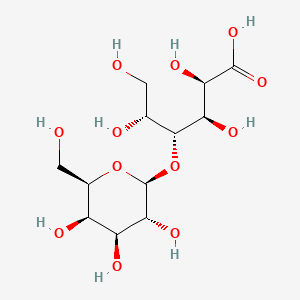
Description: LACTOBIONIC ACID — PHA exfoliant, gentle, also functions as antioxidant.
All Functions: PHA exfoliant, gentle, also functions as antioxidant
Quick Facts:
- Category: active
Proven Benefits At A Glance:
- Lactobionic acid is a polyhydroxy acid—a type of chemical exfoliant similar to glycolic or lactic acids
- Research shows it significantly improves skin hydration when applied as peels and creams
- It’s used in food, pharmaceutical, and cosmetic industries
- Can be produced through chemical or biological methods, each with different trade-offs
- No difference in moisturizing effect was found between 10% and 30% concentrations in the study tested
Safety tier is a starting heuristic from regulatory status and comedogenic rating, not a dermatological verdict — see our Terms for the full disclaimer. Research confidence reflects how many real cited studies back this ingredient, not the strength of their findings.
🧪 LACTOBIONIC ACID
LACTOBIONIC ACID
CAS Number: 96-82-2
Also Known As: —
Category: active
EC Number: 202-538-3
Korean Name: 락토바이오닉애씨드
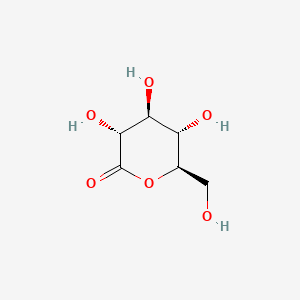
4-O-beta-D-Galactopyranosyl-D-gluconic acid
LACTOBIONIC ACID is an active ingredient used in skincare formulations.
🌍 Regulatory Status
📊 Comedogenicity
📚 Research & Evidence
🔬 The Science
Lactobionic acid (often abbreviated LBA) belongs to a family of skincare ingredients called polyhydroxy acids, which are gentler exfoliants than their single-hydroxy cousins. Unlike alpha-hydroxy acids (AHAs) or beta-hydroxy acids (BHAs), polyhydroxy acids have a larger molecular structure that may penetrate the skin more slowly and cause less irritation. When it comes to skincare benefits, the research is most concrete on hydration. A 2018 study in the Journal of Cosmetic Dermatology tested lactobionic acid on 10 people aged 26–73 years, applying it as peels in two different strengths (10% and 30%) plus a 5% overnight cream over 8 weekly treatments (#1: lactobionic acid significantly improved skin hydration levels as measured by corneometer, a device that objectively measures water content in the skin’s outer layer—*J Cosmet Dermatol*).
Interestingly, #2: both the 10% and 30% concentrations performed equally well, suggesting that higher concentration doesn’t necessarily mean better results for hydration (*J Cosmet Dermatol*). The study notes that dry skin is typically marked by itching, redness, and flaking, and that lactobionic acid appears to address the hydration component of these symptoms. Beyond skincare, lactobionic acid is recognized as #3: a versatile platform chemical in cosmetics, pharmaceuticals, medicine, and food industries, with emerging applications in drug delivery and nanomedicine (*Biotechnol Adv*). However, the cosmetics literature provided focuses narrowly on hydration—broader claims about anti-aging, brightening, or other benefits are not supported by these sources.
From a production standpoint, lactobionic acid can be manufactured two ways (#4: chemical synthesis from lactose offers high yields and speed but carries environmental concerns and lower purity, while biological methods using bacteria or enzymes are more sustainable and produce higher purity but face scalability challenges and higher upfront costs—*Molecules*). This distinction matters for consumers interested in ingredient sourcing, though it doesn’t directly affect the ingredient’s performance on skin.
💧 Skin Type Compatibility
Derived from this ingredient’s irritancy potential and comedogenicity rating against the needs of each skin type — e.g. oily and acne-prone skin are marked down for pore-clogging ingredients, sensitive skin for irritants. A starting heuristic, not a dermatological verdict.
⚠️ Don’t Combine With
🧴 Products Containing LACTOBIONIC ACID
📄 Related Research
Matched by search — not necessarily verified support for every statement above.
- Alonso S et al. (2013). Bio-production of lactobionic acid: current status, applications and future prospects. Biotechnol Adv.
- Algiert-Zielińska B et al. (2018). Comparative evaluation of skin moisture after topical application of 10% and 30% lactobionic acid. J Cosmet Dermatol.
- Piątek-Gołda W et al. (2025). Chemical Versus Biological Approaches to the Synthesis of Lactobionic Acid: A Review. Molecules.
- Han HJ et al. (2022). Efficient Production of Lactobionic Acid Using Escherichia coli Capable of Synthesizing Pyrroloquinoline Quinone. J Agric Food Chem.
- Lee SS et al. (2022). Isolation of new lactobionic acid-producing microorganisms and improvement of their production ability by heterologous expression of glucose dehydrogenase from Pseudomonas taetrolens. Enzyme Microb Technol.
Similar Ingredients
📰 More News
-
The CCL20-CCR6 axis predominantly drives IL-17-mediated psoriasis while modestly contributing to papain-induced type 2 inflammation
PubMed · 23 days ago
-
SkinCeuticals Just Reformulated Its C E Ferulic Serum
Allure · 14 days ago
-
Are Sunscreen Oils Just Tanning Oils in Disguise? Experts Weigh In
Allure · 14 days ago
-
Update to RIFM fragrance ingredient safety assessment, propenylguaethol, CAS Registry Number 94-86-0
PubMed · 14 days ago
-
Earth Harbor Obscura Night Repair Concentrate Review
Allure · 13 days ago
-
Okay, We’ll Bite: Fruity Perfumes Are Cool
Allure · 13 days ago