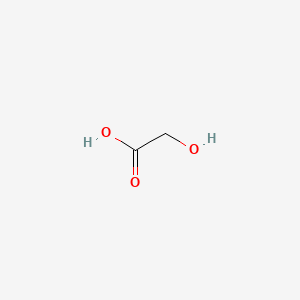
Glycolic Acid
CAS 79-14-1 · also known as AHA · active · EC 201-180-5 · KR 글라이콜릭애씨드
Acetic acid, hydroxy-
Glycolic Acid is an active ingredient used in skincare formulations.
Quick facts
Description: Glycolic Acid — exfoliant, resurfacing.
All Functions: exfoliant, resurfacing
Quick Facts:
- Category: active
- Also Known As: AHA
- Comedogenic Rating: 0/5
Proven Benefits At A Glance:
- Glycolic acid is an alpha hydroxy acid used in cosmetics and skincare products
- It is unlikely to be significantly absorbed through skin or appear in breastmilk, making it considered safe during breastfeeding with precautions
- When used during breastfeeding, avoid applying it to areas where an infant might have direct skin contact or could ingest it by licking
Chemical Overview
Glycolic acid is a 2-hydroxy monocarboxylic acid that is acetic acid where the methyl group has been hydroxylated. It has a role as a metabolite and a keratolytic drug. It is a primary alcohol and a 2-hydroxy monocarboxylic acid. It is functionally related to an acetic acid. It is a conjugate acid of a glycolate. Based on the available information included in this report, the CIR Expert Panel concludes that Glycolic and Lactic Acid, their common salts and their simple esters, are safe for use in cosmetic products at concentrations less than or equal to 10%, at final formulation pH greater than or equal to 3.5, when formulated to avoid increasing sun sensitivity or when directions for use include the daily use of sun protection. These ingredients are safe for use in salon products at concentrations less than or equal to 30%, at final formulation pH greater than or equal to 3.0, in products designed for brief, discontinuous use followed by thorough rinsing from the skin, when applied by trained professionals, and when application is accompanied by directions for the daily use of sun protection…Glycolic Acid… Glycolic acid is a metabolite found in or produced by Escherichia coli (strain K12, MG1655).
Source(s): E. coli Metabolome Database (ECMDB), Cosmetic Ingredient Review (CIR), ChEBI, via PubChem
Comedogenicity
0/5
Similar Ingredients
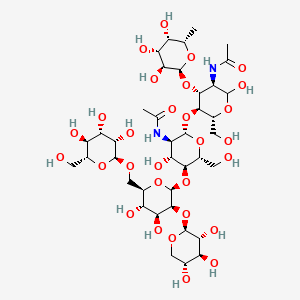
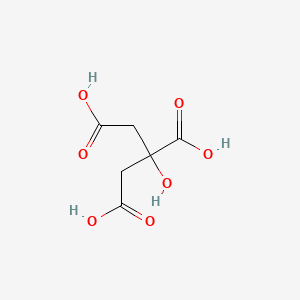
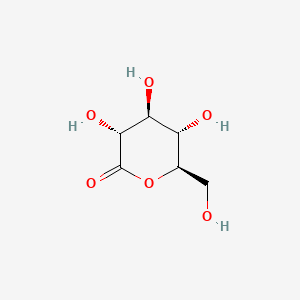
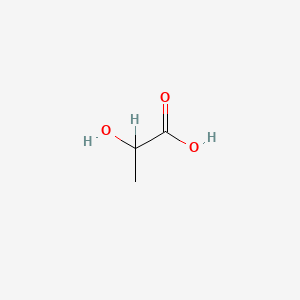
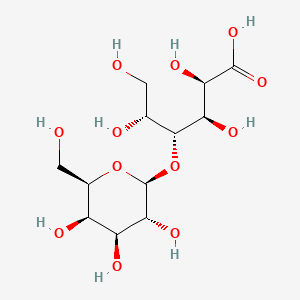
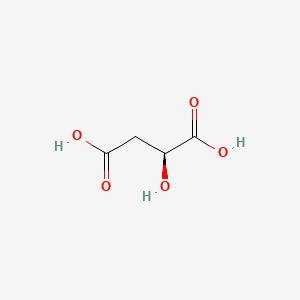
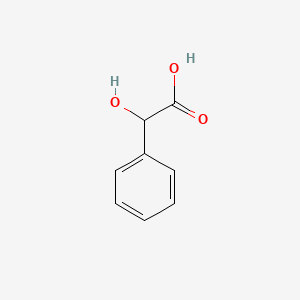
📰 More News
-
The CCL20-CCR6 axis predominantly drives IL-17-mediated psoriasis while modestly contributing to papain-induced type 2 inflammation
PubMed · Jul 11, 2026
-
SkinCeuticals Just Reformulated Its C E Ferulic Serum
Allure · Jul 20, 2026
-
Are Sunscreen Oils Just Tanning Oils in Disguise? Experts Weigh In
Allure · Jul 20, 2026
-
Update to RIFM fragrance ingredient safety assessment, propenylguaethol, CAS Registry Number 94-86-0
PubMed · Jul 20, 2026
-
Earth Harbor Obscura Night Repair Concentrate Review
Allure · Jul 21, 2026
-
Okay, We’ll Bite: Fruity Perfumes Are Cool
Allure · Jul 21, 2026