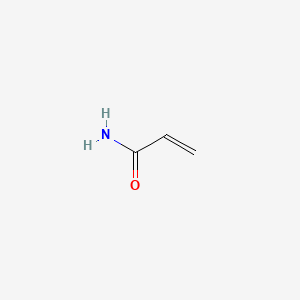
POLYACRYLAMIDE
CAS 9003-05-8 · other · EC – · KR 폴리아크릴아마이드
2-Propenamide, homopolymer
POLYACRYLAMIDE is an other ingredient used in skincare formulations.
Quick facts
Description: POLYACRYLAMIDE — thickener, film-forming agent.
All Functions: thickener, film-forming agent
Quick Facts:
- Category: other
- Regulatory Note: Restricted in the EU
Proven Benefits At A Glance:
- Polyacrylamide is affirmed safe as a cosmetic ingredient at typical use concentrations by an expert safety panel
- The ingredient has been studied in hydrogel forms for flexible, skin-like properties in research applications
- When combined with nanoparticles in lab studies, polyacrylamide-based materials showed antimicrobial and antioxidant properties
- Research on polyacrylamide hydrogels suggests potential for wearable sensing applications, though this is still experimental
Chemical Overview
Acrylamide is a colorless, odorless, crystalline solid that can react violently when melted. When it is heated, sharp fumes may be released.Acrylamide is used to make polyacrylamide, which is mainly used in treating waste water discharge from water treatment plants and industrial processes.In addition, acrylamide and polyacrylamides are used in the production of dyes and organic chemicals, contact lenses, cosmetics and toiletries, permanent-press fabrics, paper and textile production, pulp and paper production, ore processing, sugar refining, and as a chemical grouting agent and soil stabilizer for the construction of tunnels, sewers, wells and reservoirs.Acrylamide is formed in foods that are rich in carbohydrates when they are fried, grilled, or baked. Acrylamide can cause cancer according to The World Health Organization’s International Agency for Research on Cancer (IARC) and The Environmental Protection Agency (EPA). It can cause developmental toxicity and male reproductive toxicity according to The National Toxicology Program’s Center for the Evaluation of Risks to Human Reproduction. Acrylamide appears as white crystalline solid shipped either as a solid or in solution. A confirmed carcinogen. Toxic by skin absorption. Less dense than water and soluble in water. May be toxic by ingestion. Used for sewage and waste treatment, to make dyes, adhesives. The solid is stable at room temperature, but upon melting may violently polymerize. Toxic, irritating to skin, eyes, etc.
Source(s): Agency for Toxic Substances and Disease Registry (ATSDR), California Office of Environmental Health Hazard Assessment (OEHHA), CAMEO Chemicals, via PubChem
Comedogenicity
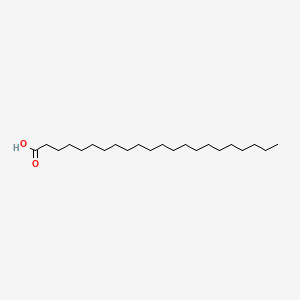
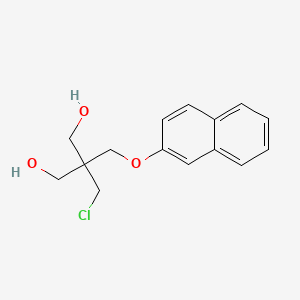
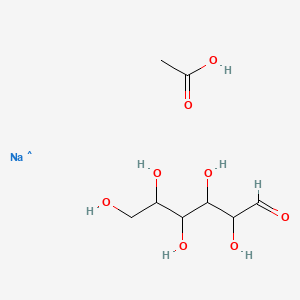
Similar Ingredients

📰 More News
-
The CCL20-CCR6 axis predominantly drives IL-17-mediated psoriasis while modestly contributing to papain-induced type 2 inflammation
PubMed · Jul 11, 2026
-
SkinCeuticals Just Reformulated Its C E Ferulic Serum
Allure · Jul 20, 2026
-
Are Sunscreen Oils Just Tanning Oils in Disguise? Experts Weigh In
Allure · Jul 20, 2026
-
Update to RIFM fragrance ingredient safety assessment, propenylguaethol, CAS Registry Number 94-86-0
PubMed · Jul 20, 2026
-
Earth Harbor Obscura Night Repair Concentrate Review
Allure · Jul 21, 2026
-
Okay, We’ll Bite: Fruity Perfumes Are Cool
Allure · Jul 21, 2026