Mia Seilern
⚠️ Data is provided for informational purposes only. It may contain inaccuracies and should be independently verified. This is not medical advice. Consult a healthcare professional before making health decisions.

Description: SCLEROTIUM GUM — thickener, texture stabilizer.

All Functions: thickener, texture stabilizer

Quick Facts:

  • Category: other

Proven Benefits At A Glance:

  • A natural gum derived from sclerotium fungus used to thicken skincare products
  • In research, it was combined with nanotechnology to create hydrogels (gel-based formulas)
  • Early studies suggest it may help deliver active ingredients more effectively to skin layers
  • Limited human research available—existing data comes from laboratory and animal studies
Safety: Generally Low ConcernResearch confidence: Fair

Safety tier is a starting heuristic from regulatory status and comedogenic rating, not a dermatological verdict — see our Terms for the full disclaimer. Research confidence reflects how many real cited studies back this ingredient, not the strength of their findings.

🧪 SCLEROTIUM GUM

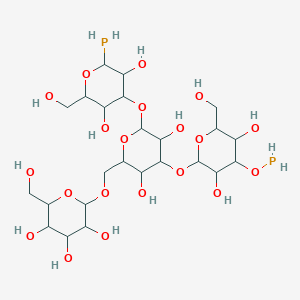
Chemical structure of SCLEROTIUM GUM

SCLEROTIUM GUM

CAS Number: 39464-87-4

Also Known As:

Category: other

EC Number: 254-464-6

Korean Name: 스클레로튬검

Scleroglucan

SCLEROTIUM GUM is an other ingredient used in skincare formulations.

thickenertexture stabilizer

🌍 Regulatory Status

EU: No restriction on fileUS: No restriction on file

📊 Comedogenicity

No data yet
Not rated for this ingredient yet.

📚 Research & Evidence

PUBMED CITATIONS
1
Data sources: EU CosIng PubMed

🔬 The Science

Sclerotium gum is a polysaccharide (a type of carbohydrate) extracted from sclerotium, a hardened fungal structure. In a 2022 study published in Pharmaceutical Development and Technology, researchers used sclerotium gum as a gelling agent in experimental hydrogels designed to deliver anti-inflammatory medication to skin. Here’s what the available research shows: #1: When sclerotium gum was added to hydrogel formulas containing nanocapsules (tiny spheres much smaller than what the naked eye can see), the resulting products had a pH of 4.4 to 5.0, which is considered compatible with healthy skin (Pharm Dev Technol, 2022). #2: These experimental hydrogels demonstrated what’s called “pseudoplastic behavior,” meaning they flowed like a gel but could spread smoothly when applied—a desirable texture property for topical products (Pharm Dev Technol, 2022).

#3: In laboratory skin penetration studies, the sclerotium gum-based hydrogels showed improved retention of the active ingredient in the epidermis (the outermost skin layer) compared to a commercial comparison product, while simultaneously showing lower retention in the dermis (deeper layer), suggesting the formulation kept the ingredient where it was needed and reduced systemic absorption (Pharm Dev Technol, 2022). #4: In an animal model of skin inflammation, these hydrogels reduced swelling and inflammatory cell infiltration at a level comparable to a commercial product that contained twice the drug concentration (Pharm Dev Technol, 2022). Importantly, this is early-stage research. The study used animal models and laboratory testing, not human clinical trials.

There is currently no published human data demonstrating safety or efficacy of sclerotium gum in consumer skincare products.

💧 Skin Type Compatibility

No data yet
Per-skin-type data isn’t curated for this ingredient yet.

⚠️ Don’t Combine With

No data yet
No known incompatibilities on file for this ingredient.

🧴 Products Containing SCLEROTIUM GUM

📄 Related Research

Matched by search — not necessarily verified support for every statement above.

Similar Ingredients

ACRYLATES/C10-30 ALKYL ACRYLATE CROSSPOLYMER
other
View
BEHENIC ACID
BEHENIC ACID
emollient
View
CARBOMER
CARBOMER
other
View
CELLULOSE GUM
CELLULOSE GUM
other
View
CETYL ALCOHOL
CETYL ALCOHOL
emollient
View
CETYL PALMITATE
CETYL PALMITATE
emollient
View
HYDROXYETHYLCELLULOSE
other
View
HYDROXYPROPYL METHYLCELLULOSE
other
View