Mia Seilern
⚠️ Data is provided for informational purposes only. It may contain inaccuracies and should be independently verified. This is not medical advice. Consult a healthcare professional before making health decisions.

Description: SH-OLIGOPEPTIDE-1 — peptide, epidermal growth factor analog, supports skin renewal.

All Functions: peptide, epidermal growth factor analog, supports skin renewal

Quick Facts:

  • Category: active

Proven Benefits At A Glance:

  • SH-oligopeptide-1 is a cosmetic ingredient designed to mimic epidermal growth factor (EGF), a naturally occurring protein
  • It is legally approved for use in cosmetics at various concentrations, unlike active EGF which is restricted to clinical trials
  • Research on its actual effectiveness is limited and lacks scientific rigor according to recent analysis
  • Long-term safety data is not well established
Safety: Generally Low ConcernResearch confidence: Fair

Safety tier is a starting heuristic from regulatory status and comedogenic rating, not a dermatological verdict — see our Terms for the full disclaimer. Research confidence reflects how many real cited studies back this ingredient, not the strength of their findings.

🧪 SH-OLIGOPEPTIDE-1

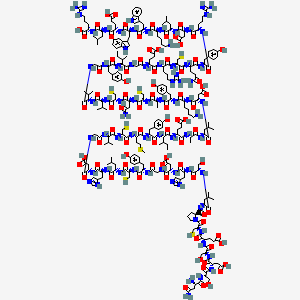
Chemical structure of SH-OLIGOPEPTIDE-1

SH-OLIGOPEPTIDE-1

CAS Number:

Also Known As:

Category: active

EC Number:

Korean Name: 에스에이치-올리고펩타이드-1

sh-Oligopeptide-1 is a single chain recombinant human peptide, produced by fermentation in E. coli. The starting gene is synthesized to be identical to the human gene which codes for Epidermal Growth Factor. It contains a maximum of 53 amino acids which may contain disulfide bonds and/or sugar. The protein consists of the proper sequence of the standard amino acids

SH-OLIGOPEPTIDE-1 is an active ingredient used in skincare formulations.

peptideepidermal growth factor analogsupports skin renewal

🌍 Regulatory Status

EU: No restriction on fileUS: No restriction on file

📊 Comedogenicity

No data yet
Not rated for this ingredient yet.

📚 Research & Evidence

PUBMED CITATIONS
1
Data sources: EU CosIng PubMed

🔬 The Science

SH-oligopeptide-1 is a synthetic peptide—a short chain of amino acids—created to function like epidermal growth factor (EGF), a protein that naturally plays a role in skin cell growth and repair. The ingredient is sometimes called ‘sh-EGF’ in marketing materials (Cutan Ocul Toxicol, 2023). Here’s what the current research actually tells us: #1: SH-oligopeptide-1 is approved for cosmetic use in multiple countries at different concentrations, whereas actual active EGF is heavily restricted and only permitted in clinical trial settings, not consumer products (Cutan Ocul Toxicol, 2023). #2: Despite marketing claims suggesting it works like EGF, the preclinical bioactivity—meaning its actual biological effects at the cellular level—has not been scientifically proven (Cutan Ocul Toxicol, 2023).

This is an important distinction: approval as a cosmetic does not require the same level of evidence as approval for medical use. A 2023 systematic review in Cutaneous and Ocular Toxicology examined 22 available references and found that while 9 clinical trials claimed favorable results using SH-oligopeptide-1, these studies did not follow proper medical research standards and lack scientific basis (Cutan Ocul Toxicol, 2023). Finally, #3: Long-term safety risks of SH-oligopeptide-1 remain unknown, as it is approved for general consumer use despite limited rigorous safety data (Cutan Ocul Toxicol, 2023). In plain terms: this ingredient exists in a gray area—it’s legal to sell, but the evidence supporting its effectiveness is weak, and we don’t have much information about what happens with long-term use.

💧 Skin Type Compatibility

No data yet
Per-skin-type data isn’t curated for this ingredient yet.

⚠️ Don’t Combine With

No data yet
No known incompatibilities on file for this ingredient.

🧴 Products Containing SH-OLIGOPEPTIDE-1

📄 Related Research

Matched by search — not necessarily verified support for every statement above.

Similar Ingredients

ACETYL HEXAPEPTIDE-8
active
View
ACETYL OCTAPEPTIDE-3
active
View
ACETYL TETRAPEPTIDE-5
active
View
COPPER TRIPEPTIDE-1
COPPER TRIPEPTIDE-1
active
View
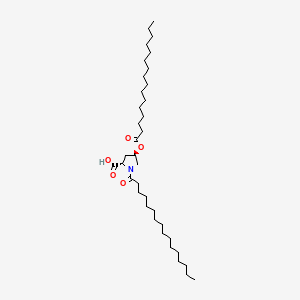
DIPALMITOYL HYDROXYPROLINE
active
View
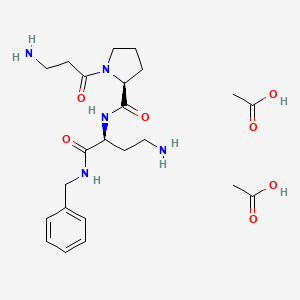
DIPEPTIDE DIAMINOBUTYROYL BENZYLAMIDE DIACETATE
active
View
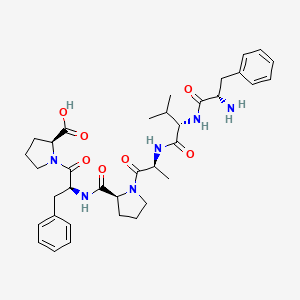
HEXAPEPTIDE-11
HEXAPEPTIDE-11
active
View
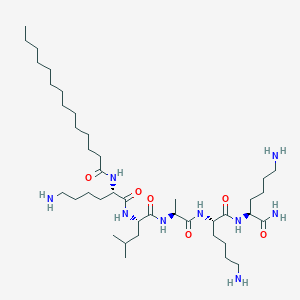
MYRISTOYL PENTAPEPTIDE-17
active
View