Mia Seilern
SODIUM LAURETH SULFATE
⚠️ Data is provided for informational purposes only. It may contain inaccuracies and should be independently verified. This is not medical advice. Consult a healthcare professional before making health decisions.

Description: SODIUM LAURETH SULFATE — cleansing, foaming (milder than Sodium Lauryl Sulfate).

All Functions: cleansing, foaming (milder than Sodium Lauryl Sulfate)

Quick Facts:

  • Category: surfactant

Proven Benefits At A Glance:

  • Sodium laureth sulfate (SLES) causes milder skin irritation than its chemical cousin sodium lauryl sulfate (SLS)
  • SLES is classified as a dermal and ocular irritant, but not a skin sensitizer
  • Skin recovers faster from SLES irritation compared to SLS in research testing
  • The irritation potential depends on concentration and how long the ingredient stays on skin
  • In actual consumer products, SLES is typically formulated to minimize irritation
Safety: Generally Low ConcernResearch confidence: GoodCommon fungal-acne trigger

Safety tier is a starting heuristic from regulatory status and comedogenic rating, not a dermatological verdict — see our Terms for the full disclaimer. Research confidence reflects how many real cited studies back this ingredient, not the strength of their findings.

🧪 SODIUM LAURETH SULFATE

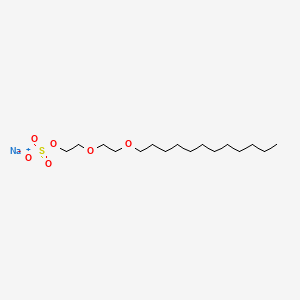
Chemical structure of SODIUM LAURETH SULFATE

SODIUM LAURETH SULFATE

CAS Number: 3088-31-1 / 9004-82-4 / 68891-38-3 / 1335-72-4 / 68585-34-2 / 91648-56-5

Also Known As:

Category: surfactant

EC Number: 221-416-0/ – / 500-234-8 / – / 500-223-8 / 293-918-8

Korean Name: 소듐라우레스설페이트

sodium 2-(2-dodecyloxyethoxy)ethyl sulphate

SODIUM LAURETH SULFATE is a surfactant ingredient used in skincare formulations.

cleansingfoaming (milder than Sodium Lauryl Sulfate)

🌍 Regulatory Status

EU: No restriction on fileUS: No restriction on file

📊 Comedogenicity

No data yet
Not rated for this ingredient yet.

📚 Research & Evidence

PUBMED CITATIONS
3
Data sources: EU CosIng PubMed

🔬 The Science

Sodium laureth sulfate (SLES) is a detergent—a cleaning ingredient that helps remove dirt and oils. Here’s what the research shows about how it affects skin:

#1: Milder irritation than related chemicals. When researchers tested SLES against sodium lauryl sulfate (SLS, an older detergent), they found SLES caused “a far milder” skin reaction across multiple concentrations. They measured this using two techniques: transepidermal water loss (TEWL—essentially how much water escapes through the skin barrier) and laser Doppler flowmetry (a tool measuring blood flow changes). Even at the highest test concentration, SLES irritation was noticeably less severe than SLS (Contact Dermatitis, 2003).

#2: Faster skin recovery. In the same study, skin irritation from SLES faded by day 7, whereas SLS continued showing increased water loss even at day 10, suggesting SLES allows faster barrier repair (Contact Dermatitis, 2003). #3: Not a sensitizer. A comprehensive review by the Cosmetic Ingredient Review Expert Panel concluded that SLES “has not evoked adverse responses in any toxicological testing” for sensitization—meaning it doesn’t typically trigger allergic reactions (Int J Toxicol, 2010). It does qualify as a dermal and ocular irritant, however. #4: Detectable irritation from normal use. In a real-world-like test using just three hand washes, SLES produced measurable skin surface changes that researchers could detect, showing it does affect skin even in typical consumer scenarios (Food Chem Toxicol, 2001).

#5: Formulation matters. The Expert Panel noted that while SLES *can* irritate skin in isolation, “in practice they are not regularly seen to be irritating because of the formulations in which they are used.” This means manufacturers typically dilute or balance SLES with other ingredients to minimize irritation (Int J Toxicol, 2010). The sources note data gaps exist regarding exact safe concentrations, and emphasize these ingredients should be formulated carefully to avoid irritation.

💧 Skin Type Compatibility

No data yet
Per-skin-type data isn’t curated for this ingredient yet.

⚠️ Don’t Combine With

No data yet
No known incompatibilities on file for this ingredient.

🧴 Products Containing SODIUM LAURETH SULFATE

📄 Related Research

Matched by search — not necessarily verified support for every statement above.

Similar Ingredients

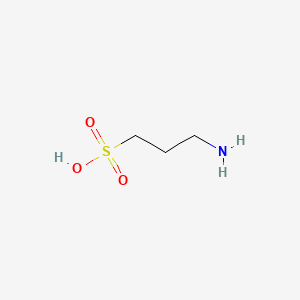
3-AMINOPROPANE SULFONIC ACID
surfactant
View
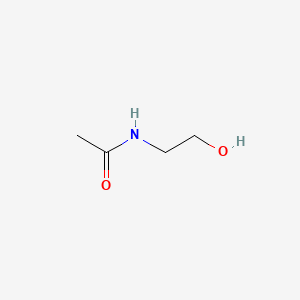
ACETAMIDE MEA
ACETAMIDE MEA
humectant
View
Cocamidopropyl Betaine
surfactant
View
COCO-GLUCOSIDE
COCO-GLUCOSIDE
surfactant
View
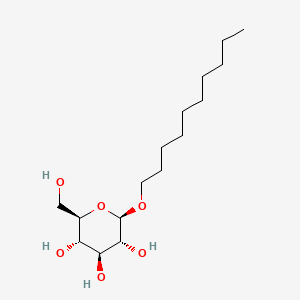
DECYL GLUCOSIDE
DECYL GLUCOSIDE
surfactant
View
DISODIUM COCOAMPHODIACETATE
surfactant
View
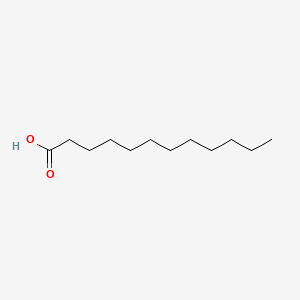
LAURIC ACID
LAURIC ACID
surfactant
View
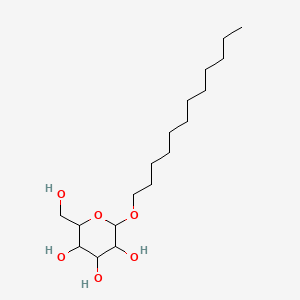
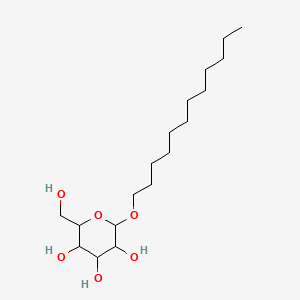
LAURYL GLUCOSIDE
LAURYL GLUCOSIDE
surfactant
View