Mia Seilern
Sodium Lauryl Sulfate
⚠️ Data is provided for informational purposes only. It may contain inaccuracies and should be independently verified. This is not medical advice. Consult a healthcare professional before making health decisions.

Description: Sodium Lauryl Sulfate — cleansing, foaming.

All Functions: cleansing, foaming

Quick Facts:

  • Category: surfactant
  • Also Known As: SLS
  • Comedogenic Rating: 0/5

Proven Benefits At A Glance:

  • SLS is commonly used in skincare and oral care products as a cleaning agent
  • About 20-22% of people react to SLS in patch tests, though most reactions are mild
  • SLS can cause skin irritation, redness, and swelling in some individuals
  • For people with recurrent mouth ulcers, SLS-free toothpaste may help reduce ulcer frequency and pain
  • The reasons why some people react to SLS are not fully understood
Safety: Generally Low ConcernResearch confidence: GoodCommon fungal-acne trigger

Safety tier is a starting heuristic from regulatory status and comedogenic rating, not a dermatological verdict — see our Terms for the full disclaimer. Research confidence reflects how many real cited studies back this ingredient, not the strength of their findings.

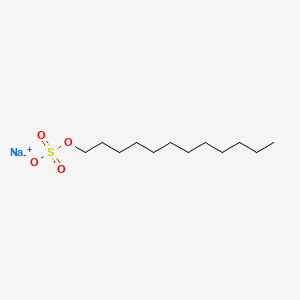
🧪 Sodium Lauryl Sulfate

Chemical structure of Sodium Lauryl Sulfate

Sodium Lauryl Sulfate

CAS Number: 151-21-3/ 68585-47-7 (generic)/ 68955-19-1 (generic)/ 73296-89-6/ 85586-07-8

Also Known As: SLS

Category: surfactant

EC Number: 205-788-1/ -/ -/277-362-3/ –

Korean Name: 소듐라우릴설페이트

Sodium dodecyl sulphate

Sodium Lauryl Sulfate is a surfactant ingredient used in skincare formulations.

cleansingfoaming

🌍 Regulatory Status

EU: No restriction on fileUS: No restriction on file

📊 Comedogenicity

⬜⬜⬜⬜⬜

0/5

📚 Research & Evidence

PUBMED CITATIONS
5
Data sources: EU CosIng PubMed

🔬 The Science

Sodium lauryl sulfate (SLS) is an anionic surfactant—a type of cleaning molecule that helps remove oils and dirt—widely used in consumer products. Here’s what research shows about how it affects your skin and body. #1: Reaction rates and patterns. When SLS is applied to skin in patch testing (a standard allergy test), roughly one-fifth to one-quarter of people show some reaction (Eur J Immunol 2024, Contact Dermatitis 2026). Most of these reactions are weak, appearing as mild redness. Stronger reactions were more common in men, people over 40, and those with occupational or hand dermatitis (Contact Dermatitis 2026). #2: How SLS irritates skin differs from classic allergies.

Interestingly, SLS-induced irritation works through a different biological mechanism than traditional allergic contact dermatitis. In mouse studies, SLS caused less immune cell infiltration and inflammatory signaling compared to classic allergens, but it did trigger pronounced skin cell proliferation (thickening of the outer skin layer) (Eur J Immunol 2024). Both your innate immune system (your body’s first-line defense) and adaptive immune system (which learns to recognize specific threats) are involved in SLS reactions, though a compromised skin barrier alone doesn’t explain the response. #3: Oral effects and mouth ulcers. In the mouth, SLS can cause mucosal desquamation (shedding of the inner lining), irritation, inflammation, and ulcerations (Am J Dent 2022).

For people who suffer from recurrent aphthous ulcers (canker sores), switching to SLS-free toothpaste showed consistent benefits: reduced number of ulcers, shorter healing time, fewer ulcer episodes, and less pain (J Oral Pathol Med 2019). The evidence for this benefit is described as limited but consistent across available studies, though researchers note more rigorous trials are needed (Am J Dent 2022, J Oral Pathol Med 2019). #4: What we still don’t know. The pathophysiological basis—the underlying biological reason—for why SLS triggers reactions in some people remains unclear (Eur J Immunol 2024). Researchers also emphasize that more research is needed on SLS’s effects on the oral and gastrointestinal systems when used in toothpastes (Am J Dent 2022).

Additionally, while SLS can be an indicator of skin irritability for certain high-irritant allergens, it is not a universal marker of sensitivity to all substances (Contact Dermatitis 2026).

💧 Skin Type Compatibility

100%
Sensitive
100%
Oily
100%
Dry
100%
Combination
100%
Acne-prone
100%
Normal

Derived from this ingredient’s irritancy potential and comedogenicity rating against the needs of each skin type — e.g. oily and acne-prone skin are marked down for pore-clogging ingredients, sensitive skin for irritants. A starting heuristic, not a dermatological verdict.

⚠️ Don’t Combine With

No data yet
No known incompatibilities on file for this ingredient.

🧴 Products Containing Sodium Lauryl Sulfate

📄 Related Research

Matched by search — not necessarily verified support for every statement above.

Similar Ingredients

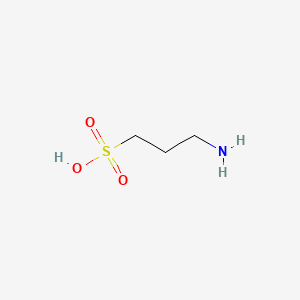
3-AMINOPROPANE SULFONIC ACID
surfactant
View
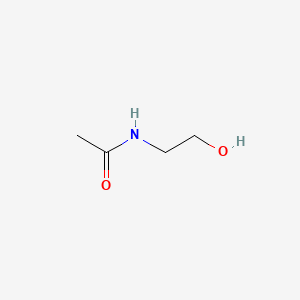
ACETAMIDE MEA
ACETAMIDE MEA
humectant
View
Cocamidopropyl Betaine
surfactant
View
COCO-GLUCOSIDE
COCO-GLUCOSIDE
surfactant
View
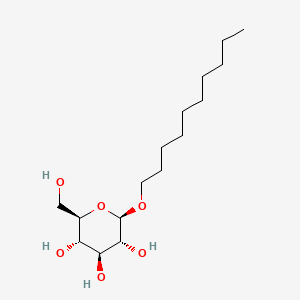
DECYL GLUCOSIDE
DECYL GLUCOSIDE
surfactant
View
DISODIUM COCOAMPHODIACETATE
surfactant
View
LAURIC ACID
LAURIC ACID
surfactant
View
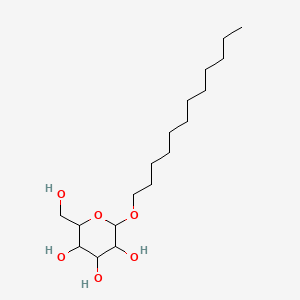
LAURYL GLUCOSIDE
LAURYL GLUCOSIDE
surfactant
View